Mimi Zeiger

Critic, editor, curator and instigator.

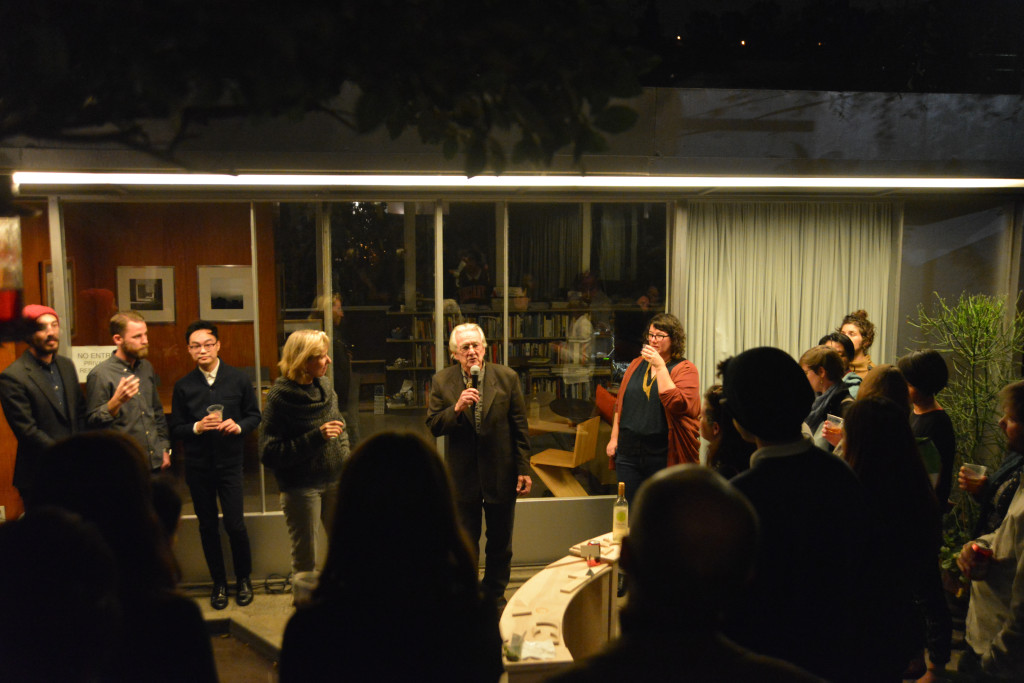
The M&A Catalogue Launch Party celebrates the publication of Building Something (Beyond) Beautiful, a collection of M&A’s past twelve years of projects and installations, produced with the University Art Museum, CSULB. Building Something (Beyond) Beautiful covers over a decade of art and architecture experiments, workshops, parties and performances at Materials & Applications, with special focus on the installations produced by M&A collaborators Ball & Nogues, Jimenez Lai, Layer LA, PATTERNS, Gail Borden, Doris Sung, and founding director, Jenna Didier and director emeritus Oliver Hess. The release party will be the first time the M&A catalogue will be made available to the public.

Panel Discussion on Architecture on Exhibition with Benjamin Ball, Anthony Carfello, Jimenez Lai, Ingallil Wahlroos-Ritter and Mimi Zeiger [Moderator] with Jenna Dider, Jia Gu and Courtney Coffmann

Given that exhibition-making is also a practice, how does the architectural work become transformed by the exhibition? How and why do we exhibit architecture? How do we extend possibilities of publicness in an architect’s work but do this with the work as foreground? How can we inscribe an interaction between a “public” and architects that is different than the container forms we already know (exhibitions, monographs, etc)? In a public conversation, each of the speakers speakers explore their own roles related to exhibition-making, whether in categorical divides (“artist,” curator, instigator) or through diverse genres (installation, exhibition as container, total environments, public platform).
“The cavalry isn’t coming,” said indie movie director Mark Duplass, kicking off his keynote address at last month’s SXSW Film Festival.

I was in Austin, Texas, for a panel on architecture and civic participation with Mexico City architect Michel Rojkind and local technologist Leslie Wolke as part of SXSW Interactive. At SXSW, film and interactive run simultaneously the week before the famous music festival gets loud. And although design was somewhat of a running theme on the tech side, with talks by design world thought leaders Paola Antonelli and John Maeda as well as dozens of sessions with design in the title, I found myself drawn to the conversations happening in film. Read More …

Groundswell: Guerilla Architecture in Response to the Great East Japan Earthquake, which recently closed at the MAK Center for Art and Architecture, was a modest exhibition about a catastrophic event. Organized by the MAK’s director Kimberli Meyer, with input from Hitoshi Abe, the show documented several architectural answers to a seemingly impossible question: How might architecture—fragile, temporal, and arbitrary in the face of a 40-foot-high tsunami—offer, if not a solution, guidance to rebuild devastated communities? Read More …

Barbara Bestor (architect and executive director of the Woodbury University Julius Shulman Institute) moderates a panel on the critical and engaged eye that photographers bring to the built environment. In LA the human experience of space has undergone constant transformation and we will discuss the urban environment and its changing representations.

Moderator: Barbara Bestor: Architect and Executive Director of the Woodbury University Julius Shulman Institute

Panelists:
Frances Anderton: Producer, Writer & Host of DnA, Design & Architecture, KCRW
James Welling: Artist & Professor of Photography, UCLA Department of Art
Mimi Zeiger: Critic, Editor & Writer
Grant Mudford: Photographer
Gordon Baldwin: Independent Curator, Writer & Editor, Former Curator
Department of Photographs, Getty Museum

In September, Rem Koolhaas stood in front of a bunch of mayors and experts convened in Brussels for the High Level Group meeting on Smart Cities and called them dumb. Not dumb as in stupid, per se, but as these proponents champion a positivist approach they are mute on the real challenges of contemporary cities and deaf to the role of the architect as a shaper of the urban realm.

In the edited transcript of the talk posted online at the European Commission on 3 November, Koolhaas starts out swinging. “I had a sinking feeling as I was listening to the talks by these prominent figures in the field of smart cities because the city used to be the domain of the architect, and now, frankly, they have made it their domain,” he begins, setting up his tweetable one-two punch. “This transfer of authority has been achieved in a clever way by calling their city smart — and by calling it smart, our city is condemned to being stupid.” Read More …

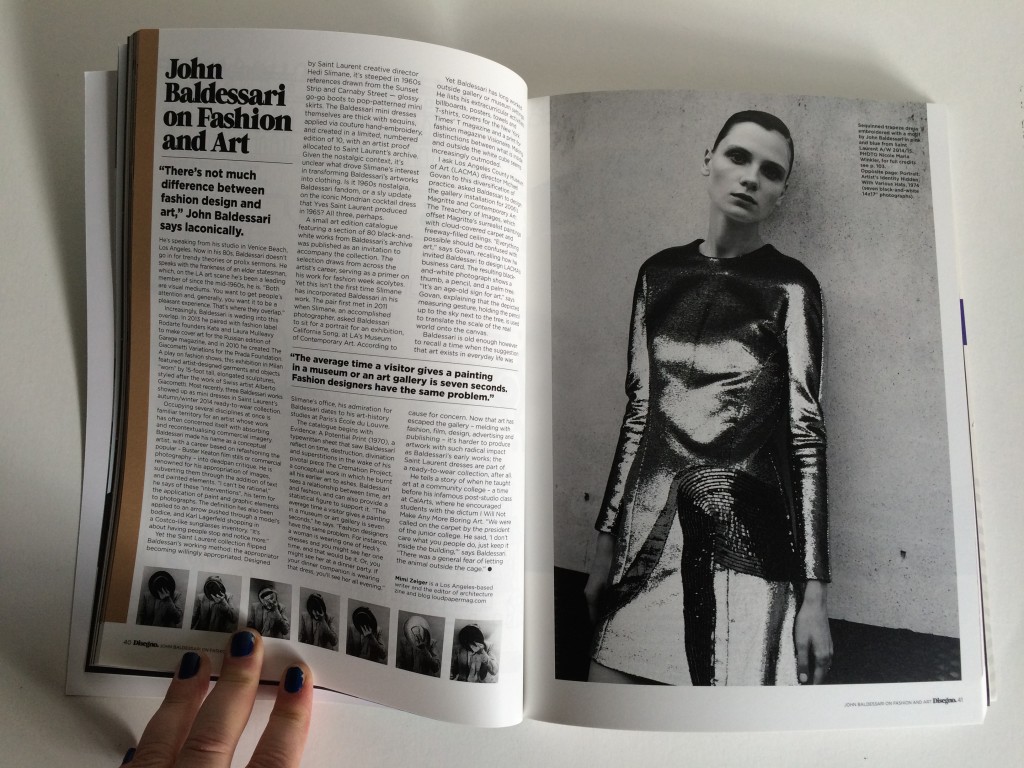
“There’s not much difference between fashion design and art,” John Baldessari says laconically. I’ve reached him on the phone of his studio in Venice Beach. Now in his 80s, Baldessari doesn’t go in for trendy theories or prolix sermons. He speaks with the frankness of the L.A. art scene’s elder statesman that he is. “Both are visual mediums. You want to get people’s attention and, generally, you want it to be a pleasant experience. That’s where they overlap.” Read More …

On a hot October evening I stood on the front walk of Greene and Greene’s Gamble House in Pasadena and watched a puppet crane poke his beak through the center of what can only be described as an Arts and Crafts vortex. A nearly 30-foot-wide sculpture hung from the street façade, patterned in a hallucinogenic, Morris-style rose motif. The crane and rose are, of course, the Gamble family crest. Its author, artist Patrick Ballard, calls it The Swirling Mess Below the Sleeping Porch Soon Solidified into a Crest of Phantasmagoric Weight that Creaks Between the Doors, the Floors, and a Form that Could Never Be a House Again. Read More …

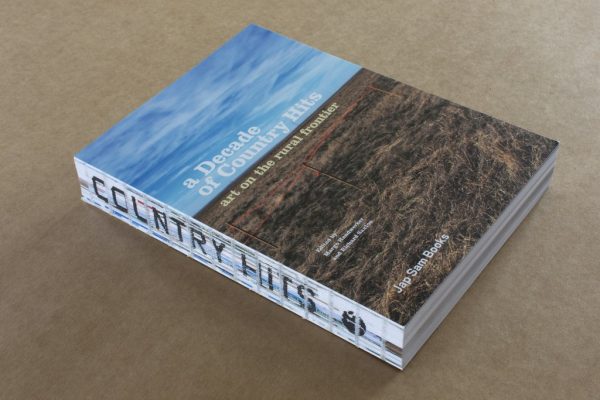
Edited by: Margo Handwerker and Richard Saxton. Featuring works by: Richard Saxton, municipalWORKSHOP, and M12 Collective. Graphic design: Peter de Kan Publisher: Jap Sam Books.

Art has its Billboard charts. They focus mostly on artists and exhibitions in urban centers. A Decade of Country Hitsis devoted to uncharted hits thriving instead on rural aesthetics and rural knowledge. This richly illustrated volume documents ten years of collective works initiated by artist Richard Saxton in rural communities around the world, from the American Midwest and Southwest to parts of Europe, Australia, and South America. Impossible to attribute to any one artistic genre, the works archived here explore a growing community of artists and researchers drawn to the rural experience in all its complexity. It resembles a sketchbook: with drawings, photographs, and from the hip accounts in the field, as well as contributions from likeminded artists, musicians, poets, and writers. Designed by Peter de Kan, the book is published by Jap Sam Books and distributed in North America and Canada by RAM Publications & Distribution.

A Decade of Country Hits includes an international roster of contributors. It contains interviews with Todd Bockley, co-director of the Center for Social Sculpture; Twink Metzler, founder of Living Room Studios; architectural historian Robert Nauman; and Wapke Feenstra, artist and co-founder of Myvillages. Featured throughout are new collaborations with Zach Boddicker, singer and songwriter for 4H Royalty; Kurt Wagner, singer and songwriter for Lambchop; and Matthew Fluharty, director of Art of the Rural. Providing context for the work are essays by artist Stuart Hyatt, founder of TEAM Records; as well as essays by critics and writers Josh Garrett-Davis, author of Ghost Dances: Proving Up on the Great PlainsMimi Zeiger, author of New Museums: Contemporary Museum Architecture Around the World, Tiny Houses, and Micro Green; and Enrique Ramirez, whose writing has appeared in PerspectaThresholdsAA Files, and elsewhere. In addition are essays by award-winning artists Marjetica Potrč,Chris Sauter, and Fernando García-Dory, founder of A Shepherds School; as well as essays by curators, Ian Hunter, director of the LITTORAL Arts Trust; Marco Marcon, co-founder of International Art Space, and Kirsten Stoltz, programming director of the M12 Collective.

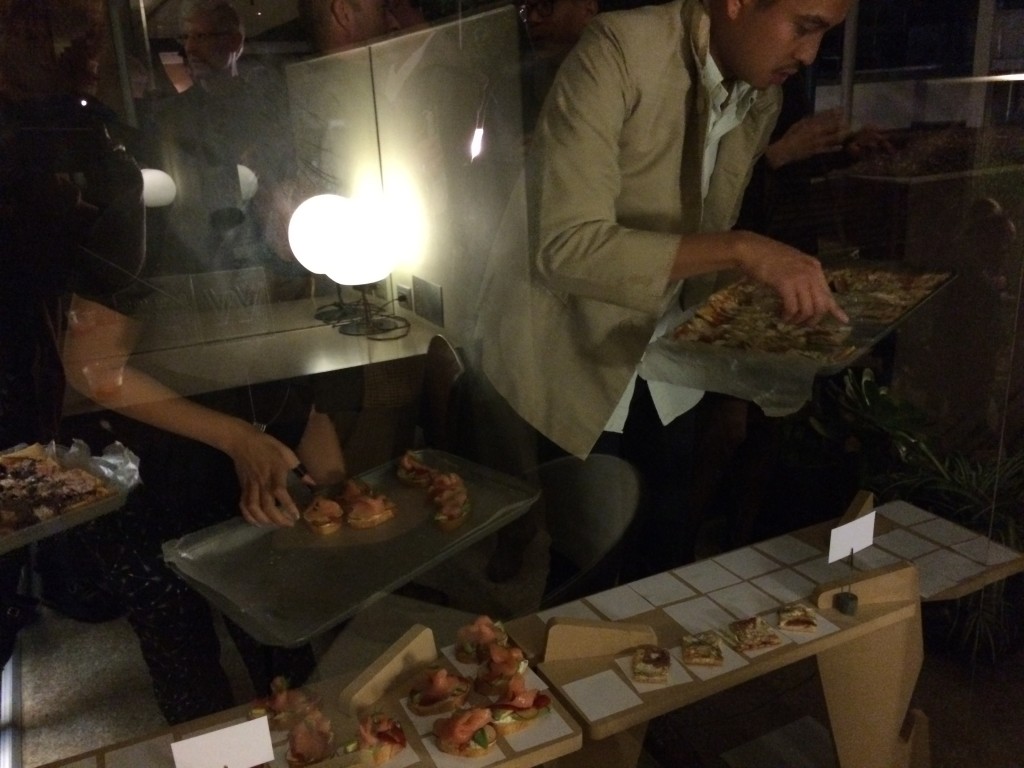
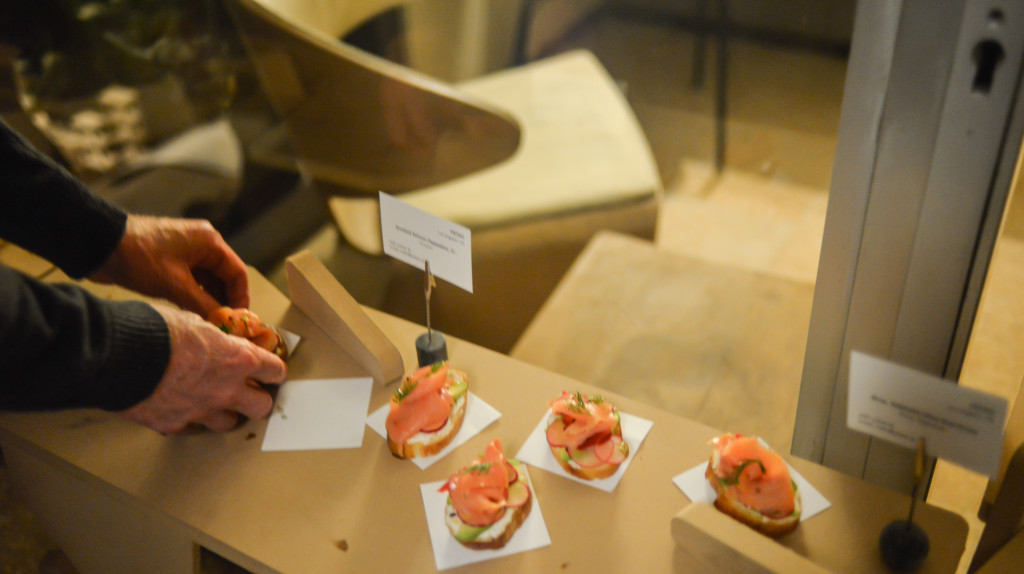
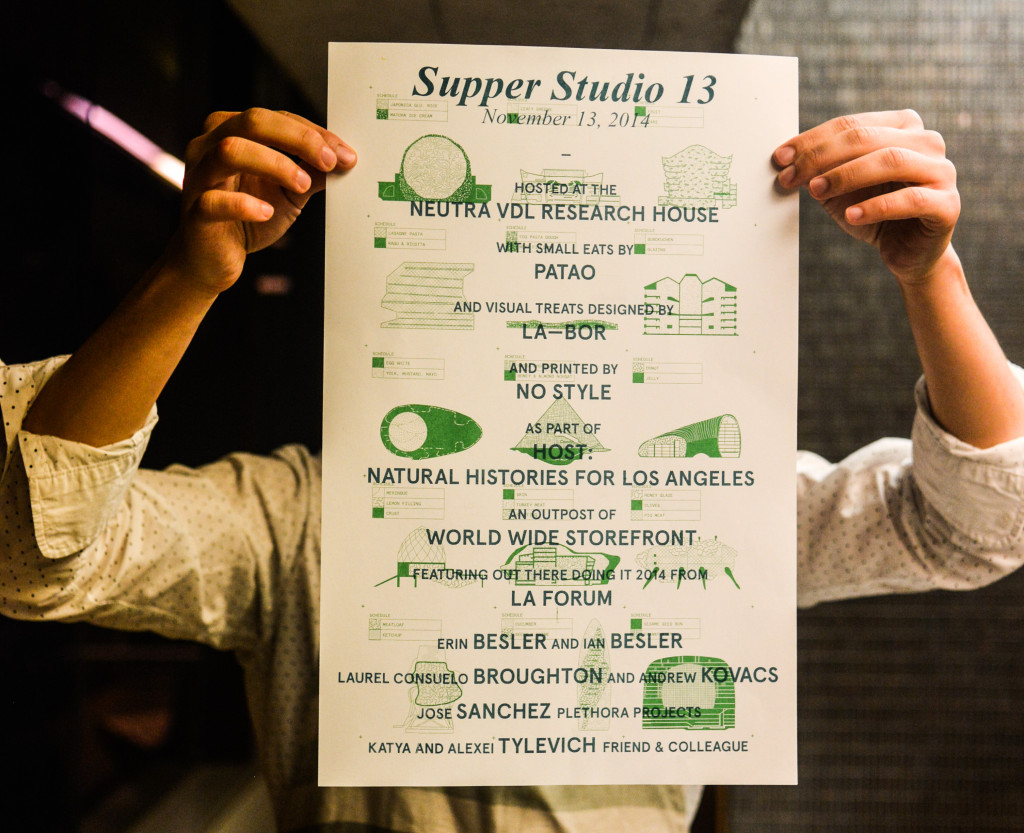
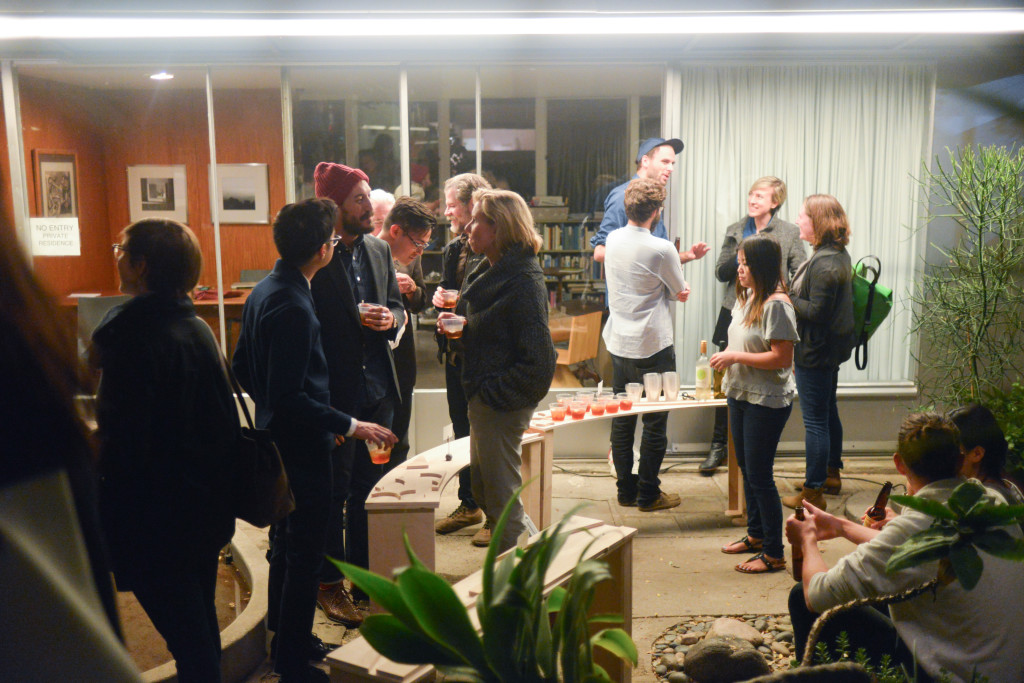
Host curators are Mimi Zeiger (Los Angeles Forum for Architecture and Urban Design), Leonardo Bravo and River Jukes-Hudson (Big City Forum), and Sarah Lorenzen (Neutra VDL Research House).

This fall, curators from three Los Angeles-based organizations come together as part of World Wide Storefront, a Storefront for Art and Architecture project, to present Host: Natural Histories for Los Angeles. This series of exhibitions and events is a collaboration between Big City Forum, Los Angeles Forum for Architecture and Urban Design, and the Neutra VDL Research House.

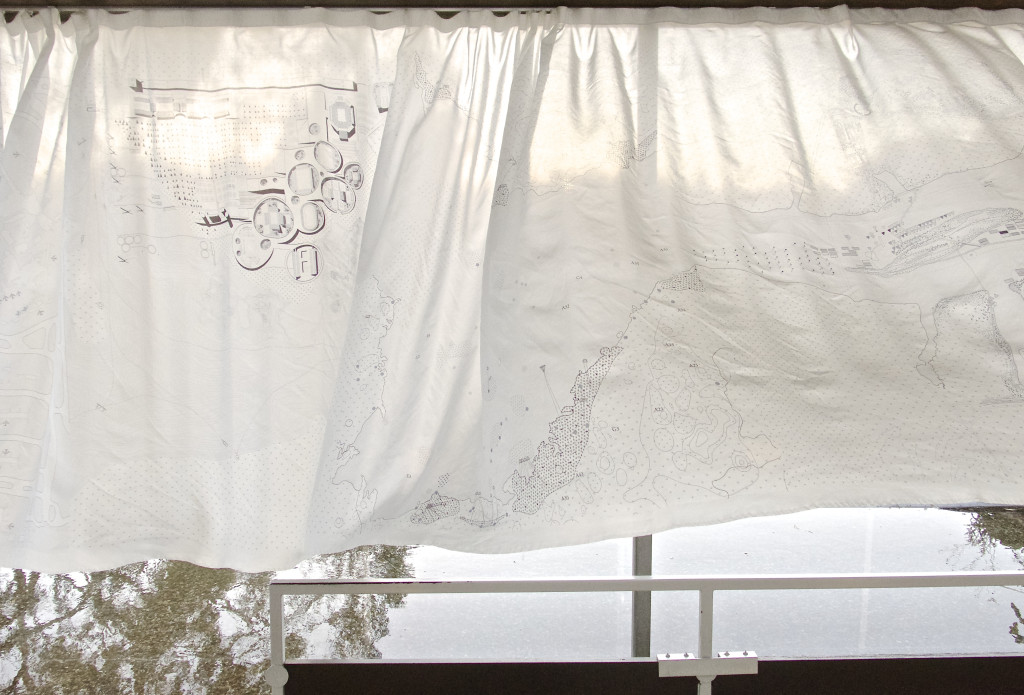
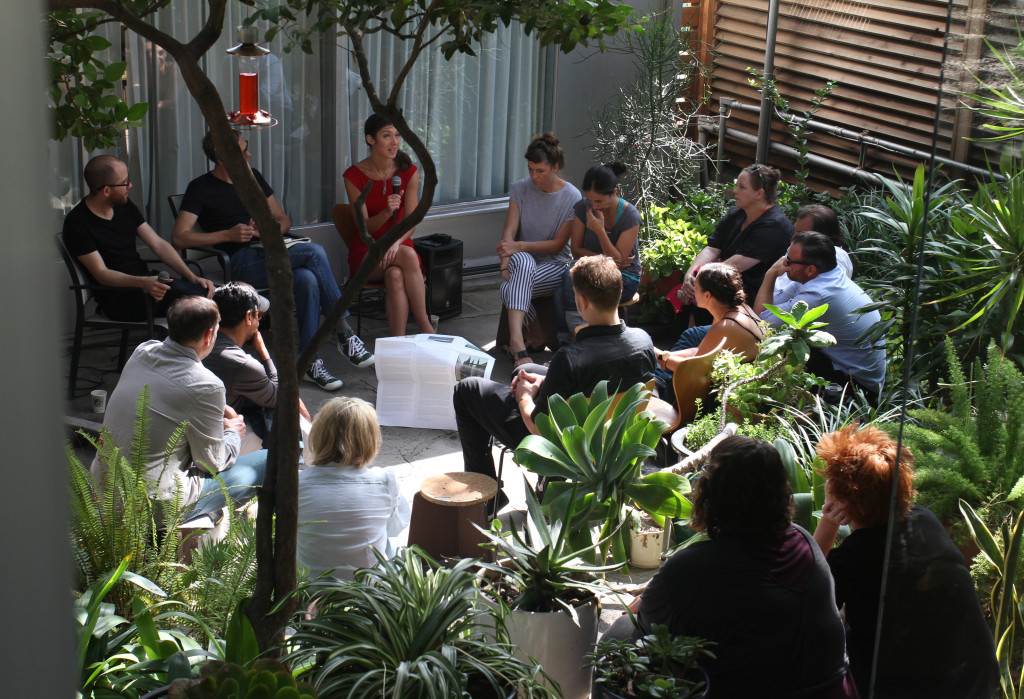
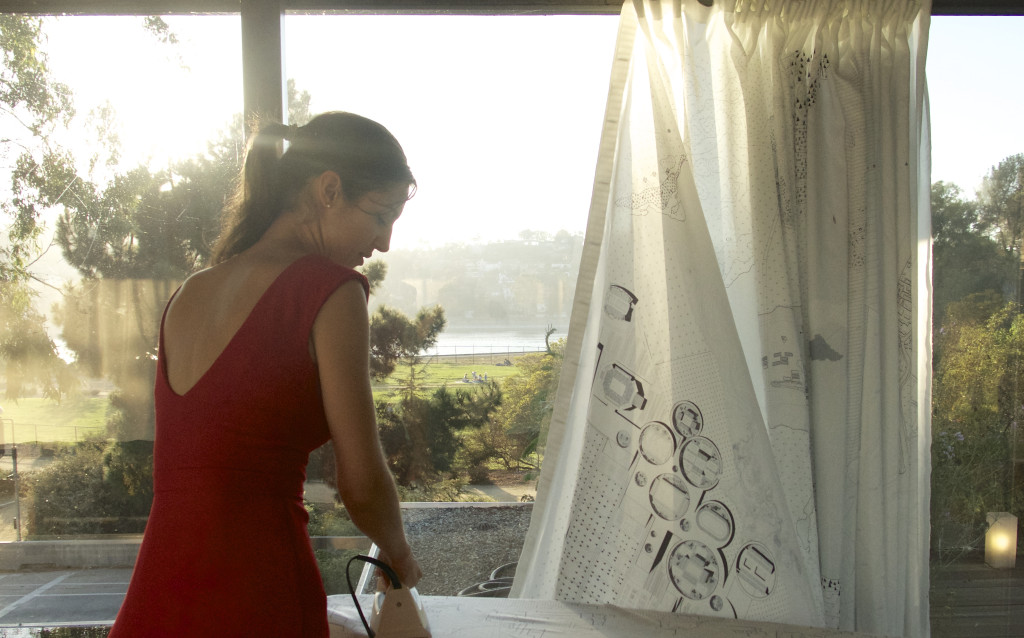
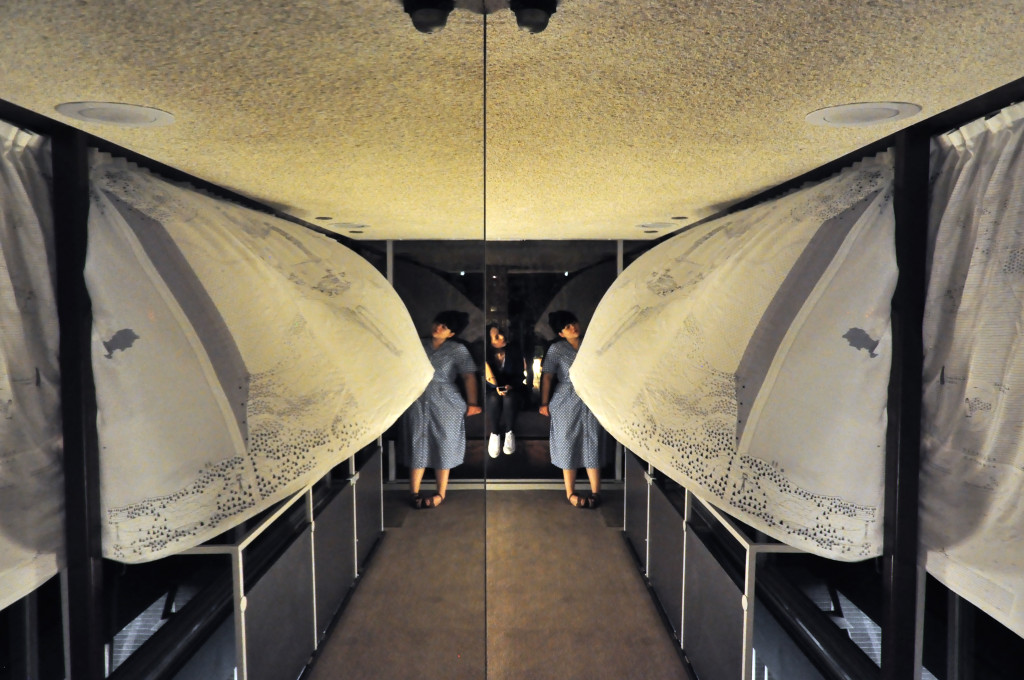
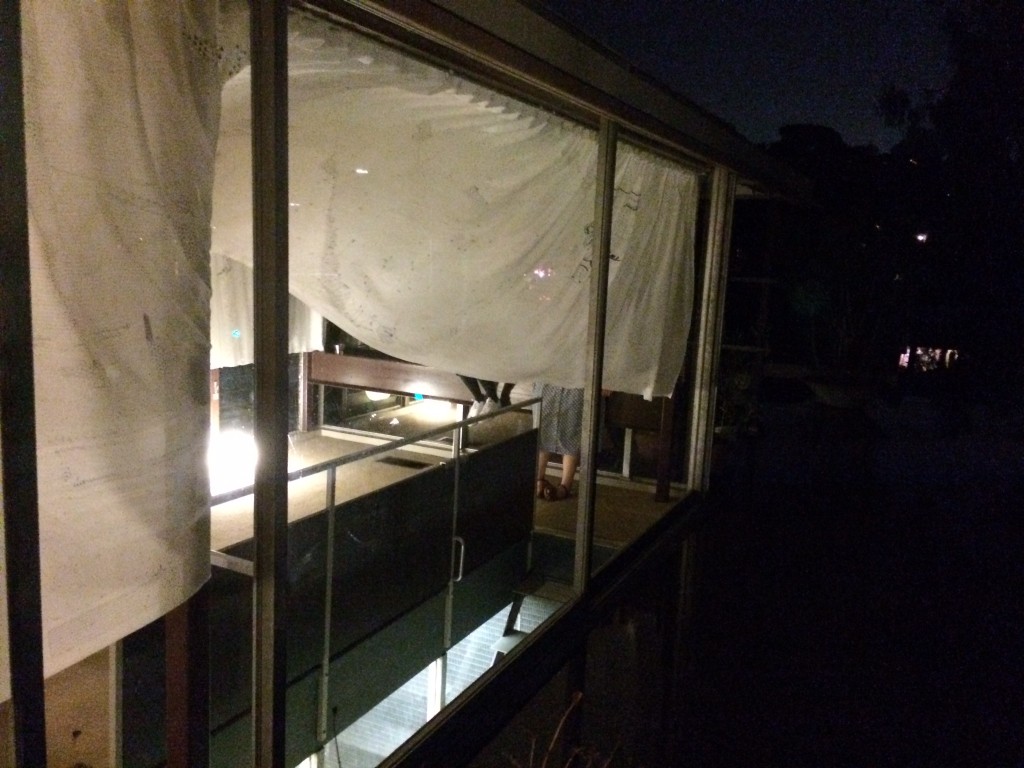
Host: Natural Histories for Los Angeles explores the multivalent meaning of “host” though spectacle, parasitic opportunism, and domestic landscapes. The Neutra VDL Research House serves as the site of these investigations and the house, embedded with spatial effects—mirrors, screens, and pools of water—heightens and confuses the relationship between the domestic interior and the exterior.  Read More …

Participant
Organized by Fritz Haeg

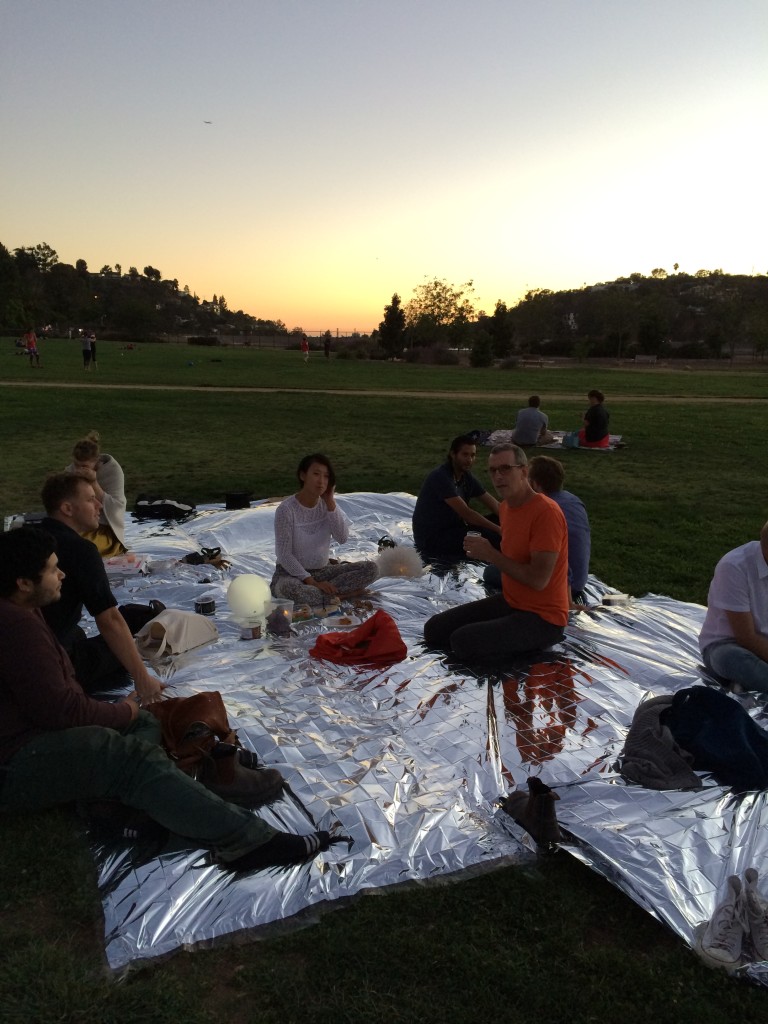
A ‘seminary’ is a piece of ground where seeds are sown for later transplantation. It is an environment in which something is propagated, from which something originates. The Los Angeles Seminary for Embodied and Civic Arts takes back this secular and potentially radical meaning. We also take back the word ‘radical’ – going back to the roots. We take back the word ‘sensual’ – treating all of the senses as sources of pleasure but also intelligence. We take back the word ‘embodied’ – to give a body to a spirit. We take back the word ‘civic’ – the activities of people in relation to their local area.

This summer around 10 to 14 of us gather for 12 hours a day, one day a week, for 12 weeks at my home/campus – featuring a resource library, subterranean lounge, workshop garage, wild food gardens, a communal kitchen, picnic tables, lots of little nooks and two geodesic domes – turning inward for an exploration of the embodied arts, turning to each other as a community of fellow artists interested in responding to the world around us, turning outward to pay attention to the city we live in, and ultimately ‘inseminating’ Los Angeles with our civic arts. Read More …