Mimi Zeiger

Critic, editor, curator and instigator.

“A critic can always change her mind,” I thought to myself as I hunted for parking off Wilshire Boulevard. At a stoplight, the full flank of Los Angeles County Museum of Art’s David Geffen Galleries filled my windshield. Late afternoon sun cut sideways and glinted warmly off the large glass panes, each framed in brass. Floppy palm trees masked the hefty concrete structure as it arced over the street. Despite the hour, the constellation of fairy lights embedded in the cantilevered roof were on, twinkling. I looked up at Swiss architect Peter Zumthor’s 347,500-square-foot structure, completed in collaboration with SOM, and thought, “Hmm, not so bad.”

Many folks have remarked that the museum’s panoramic facade is cinematic and reference auteur directors. But maybe it’s a rom-com? In a Jane Austen novel, this would be the détournement—the plot twist when the protagonist’s object of derision turns to one of affection, if not desire. The Pritzker Prize–winning architect’s scheme has been my Mr. Darcy since its black flower—a tribute to a tar puddle—was first revealed in 2012. Read More …
When San Diego Children’s Park was first conceived in the 1990s by Peter Walker, FASLA, and Martha Schwartz, FASLA, the two took a decidedly postmodern approach to the design. The area was a blank slate for redevelopment, and the designers were charged with creating a big gesture to connect downtown to the convention center, which was poised to host the 1996 Republican National Convention. 

Children’s Park opened in 1995 with a poetic design that paired primary geometries with playful narrative, featuring the palm-ringed Civic Pond, a grid of circular grassy mounds, and a densely planted forest of Canary Island pine trees.

Read More …
“With a touch of art direction, these objects neither transform nor offer transcendence, but they do make strange the act of living.”

Every year, for the past five years, the good folks at Ravenhill Studio in Los Angeles publish Everyday Objects. Each volume presents a trove of quotidian things selected by a set of creatives within the studio’s orbit.

Launched online just in time for the holidays, it is, ostensibly, an elevated gift guide—burnished to shine by the keen judgement the dozens of designers, architects, makers, curators, writers, and artists use in their selections of household items or work tools. It also is a document of the mundane actions that make up our daily lives. “The archive feels like a love letter to the objects that make doing everyday things delightful,” says Marjory Garrison, Ravenhill’s director of sales and marketing.

Read More …
Many of the remembrances of David Lynch published after his passing in January mentioned his gee-whiz, cherry-pie-and-coffee, Midwestern earnestness. The director always exuded uncanny sunshine in contrast to his penchant for noir. As a trait, earnestness rarely gets enough attention. More often than not, it’s overshadowed by hipness, camp, or irony. PlayLab is earnest. And Archie Lee Coates IV and Jeff Franklin, who cofounded the creative agency in 2009, are also glass-full, milk-fed earnest. Despite running a twelve-person team that caters to some of the biggest names in art, music, and film, these are two guys who just want to a grab some pizza and a six-pack and geek out over Charles and Ray Eames or Tibor Kalman — just like they did when they met studying architecture at VirginiaTech, or for a dozen years in New York when Franklin would work a day job at REX and then come to the studio for all-night brain-storming sessions.

Read More …
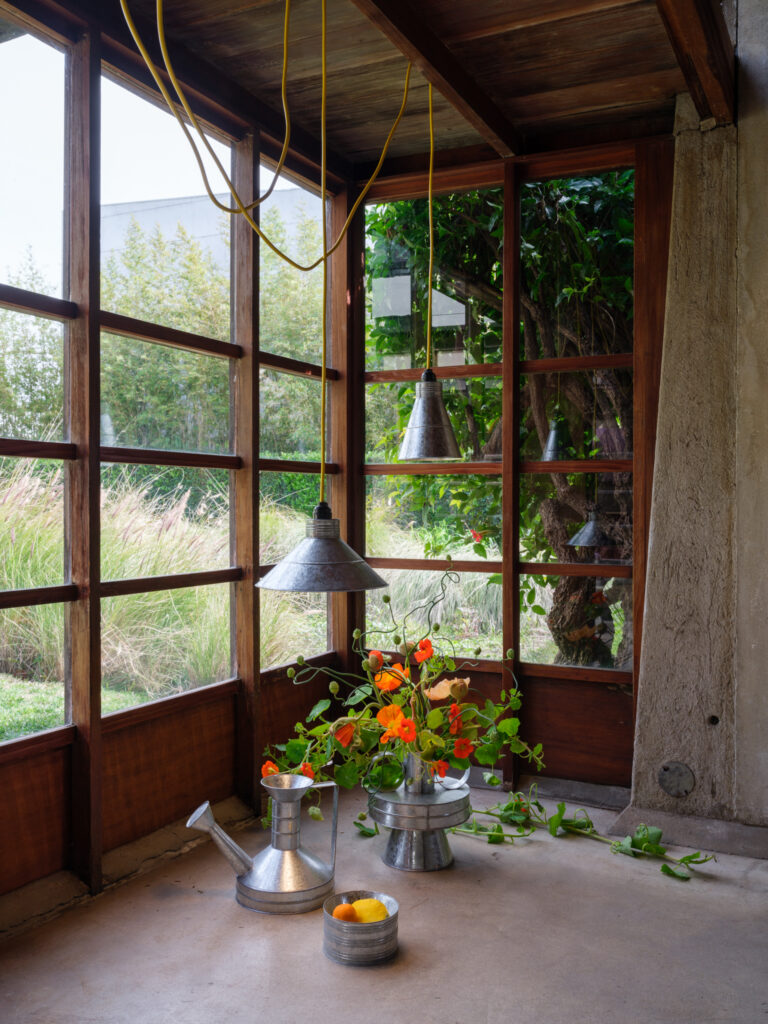
Architect Fernando Romero has been shaping the future of Latin American architecture for two decades. His namesake firm (formerly FR-EE) and London-based Foster + Partners worked on a design for the New International Airport Mexico City; he crafted a gilded vision of Bitcoin City for the president of El Salvador; and he designed Museo Soumaya – the gleaming, dramatic museum named for both his wife and mother-in-law at the time, and commissioned by billionaire businessman Carlos Slim. These days, however, he’s looking at the past, to Luis Barragán’s iconic and chromatic Cuadra San Cristóbal.
Read More …

It’s a blustery, early spring day in the Eastern Coachella Valley, or ECV. The basin is tinted green and purple by wildflowers and grasses encouraged by a surprisingly heavy rainy season, a departure from its usual brown. Wild yellow mustard pokes through the asphalt road edge, and palm trees stand shoulder to shoulder in orderly military rows. These shaggy, shady oases are date orchards, managed by commercial growers that have been in the valley for generations. Since 2011, the nonprofit Kounkuey Design Initiative (KDI) has worked in this landscape, painstakingly building relationships with community members and leadership as well as county and state politicians to address the need for public space. KDI’s approach is remarkable because it values residents over a finished product. Throughout the process, residents find the confidence to speak out on their own behalf, and the design team listens.

Read More …
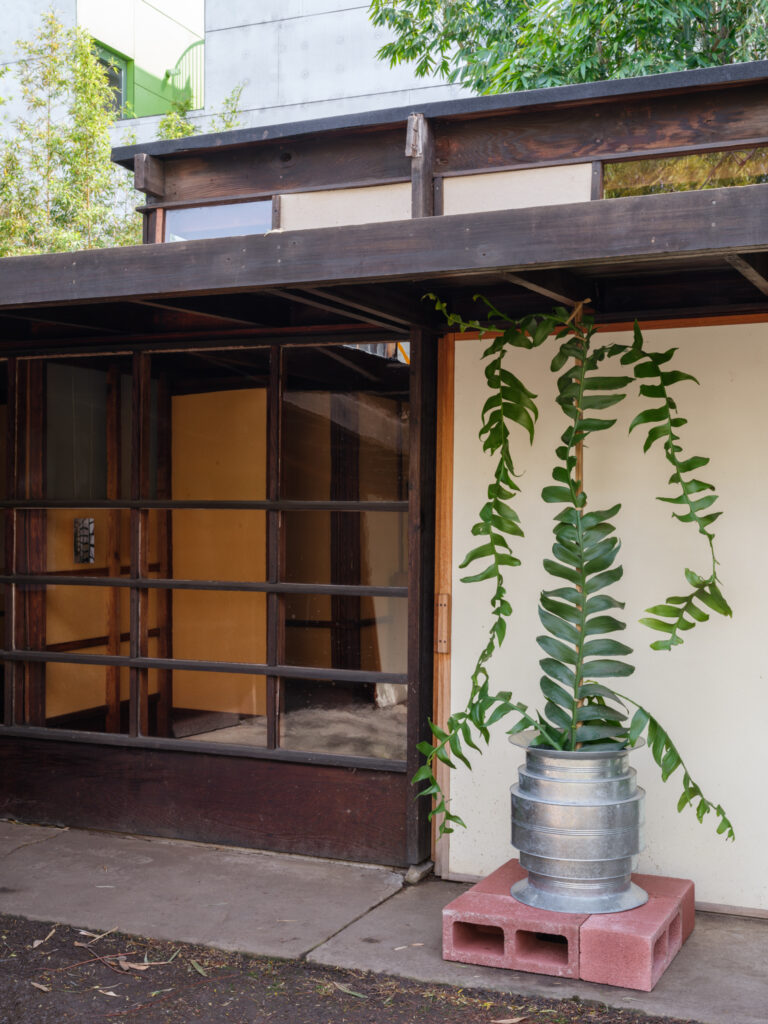
Out of the windows of Lenny Steinberg’s Venice Beach living room, there are a few hundred metres of sand, a line of white surf, then the grey-blue expanse of the Pacific Ocean. It’s a remarkable, pinch-me view, the kind most folks only see from the nearby boardwalk at Muscle Beach, where tourists and roller skaters glide through a perfume of cannabis dispensaries and fish taco stands.

The LA-based designer’s home is just a few doors down from Frank Gehry’s Norton House, a mid-1980s landmark that mimics a lifeguard tower. She and her husband, Bob, a prominent lawyer, moved here in the 1990s, transforming a 1960s post-and-beam duplex into a minimalist roost that now houses an archive and showroom of five decades of her work, alongside her art and object collection. Each piece – from the Lucite high heels on a table by the front door to the Frank Stella print in the main bedroom – reflects, in short, the fruits of a highly creative life.

Read More …
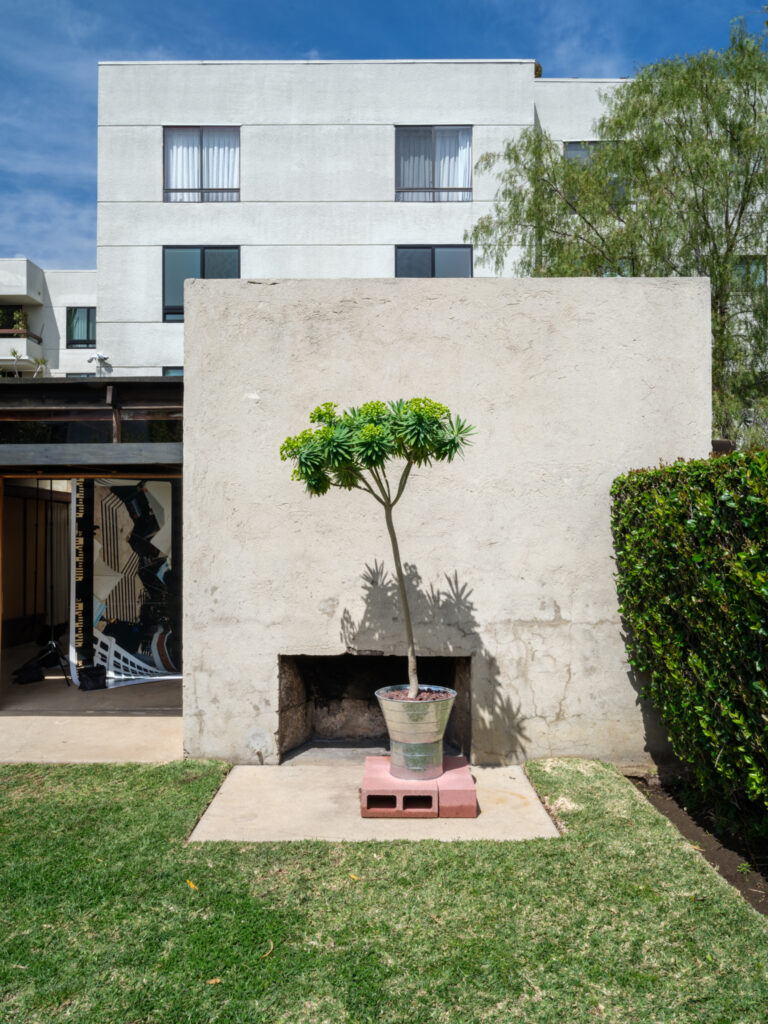
Much has been said about how we live in a time of acceleration. We strive for fast and interconnected. And yet, a considerable body of discourse takes the counter position, arguing for rest, care, and immobility. In her 2019 book How to Do Nothing, Jenny Odell urges us to turn away from the churn, writing, “Our very idea of productivity is premised on the idea of producing something new, whereas we do not tend to see maintenance and care as productive in the same way.”

Architecture, too, is caught in the thrall. Although buildings take time, we’re junkies for novelty. Museumbuildings are particular eye candy. Supposed freedoms of art and culture push desires for formal inventiveness. But what would it mean to construct a museum in slow motion?

Read More …
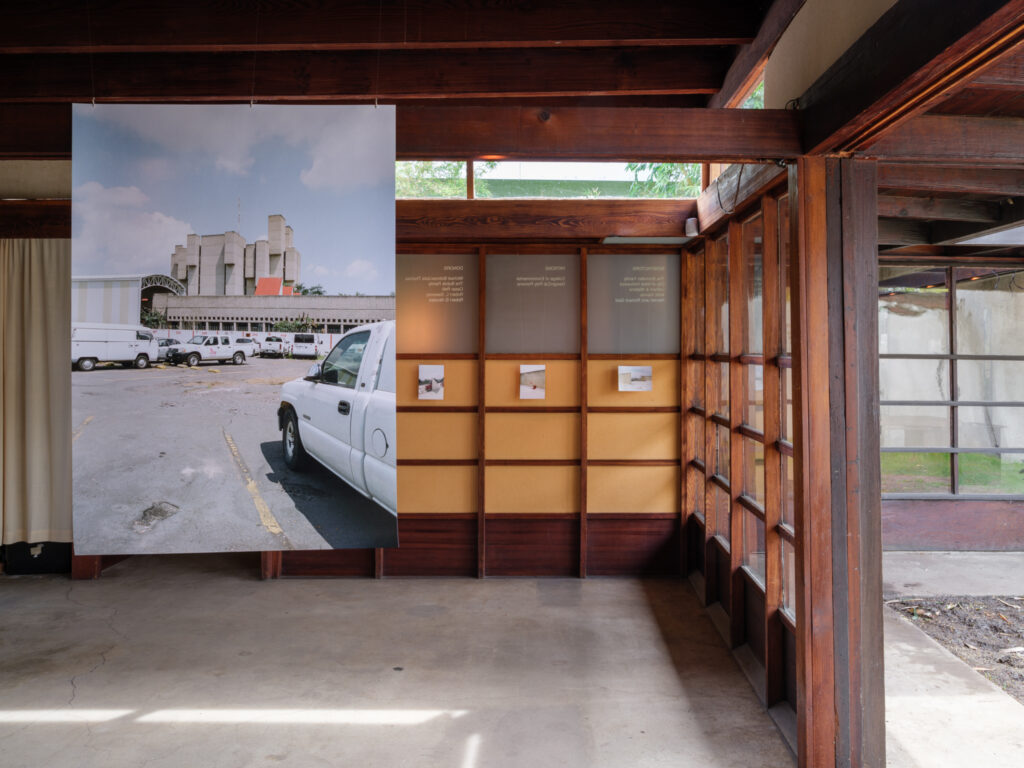
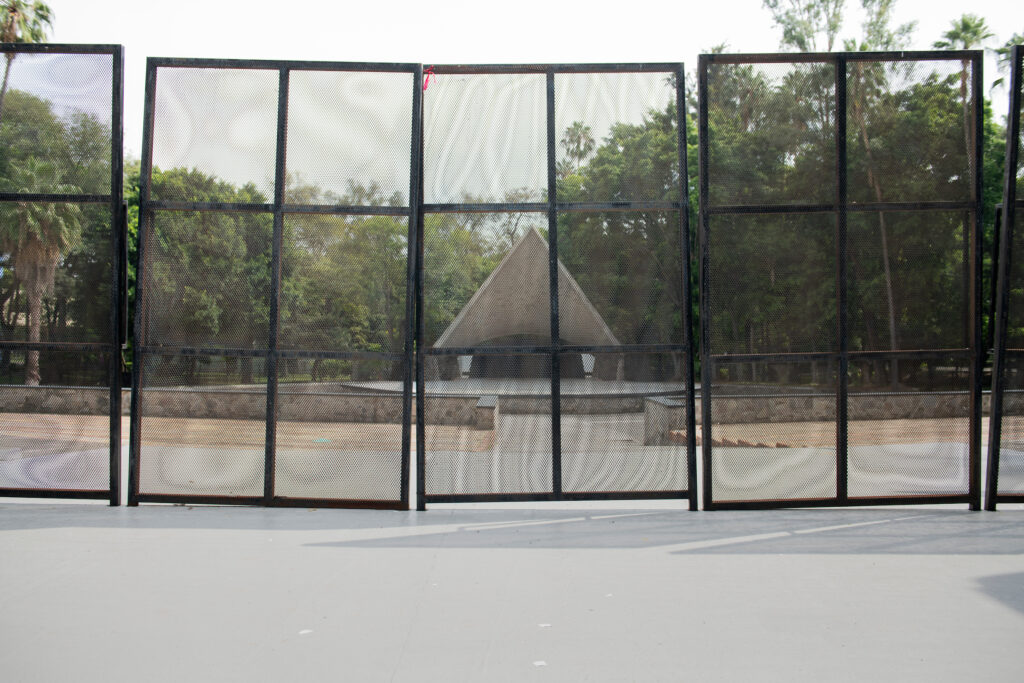
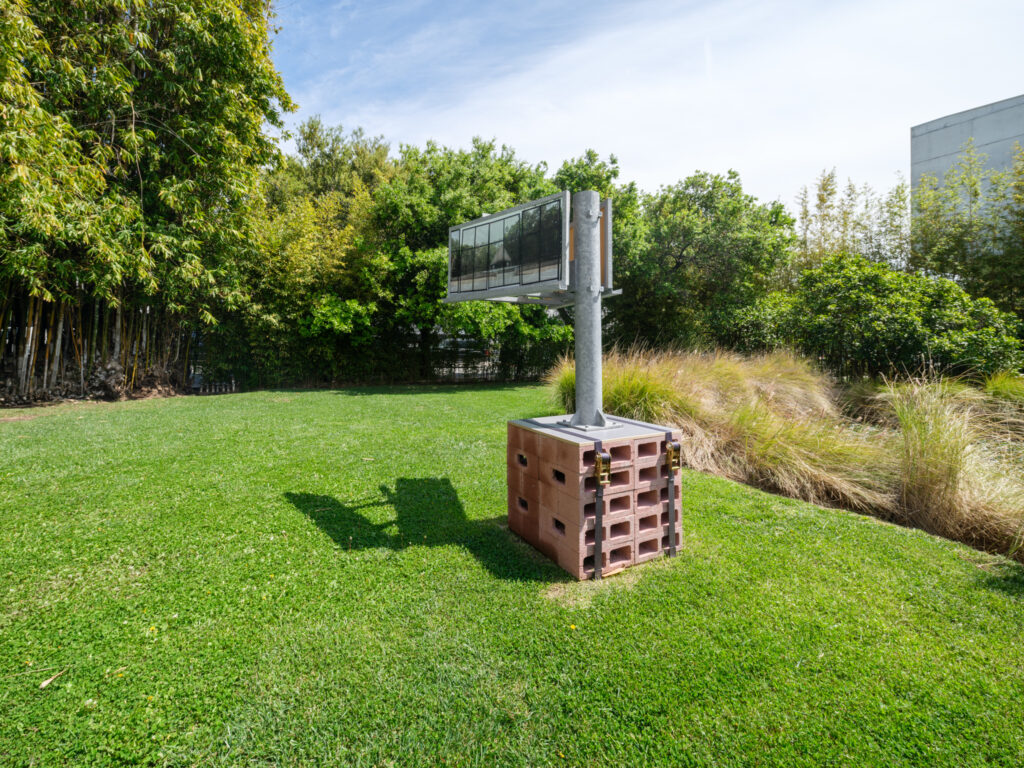
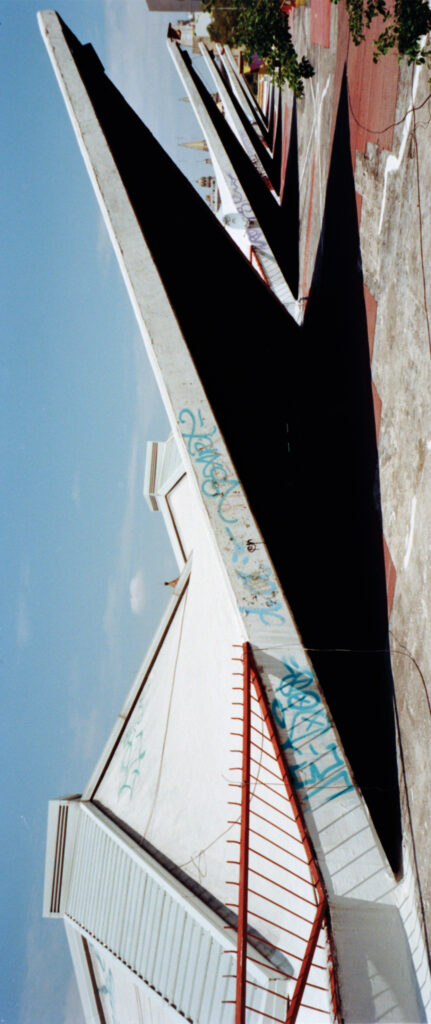
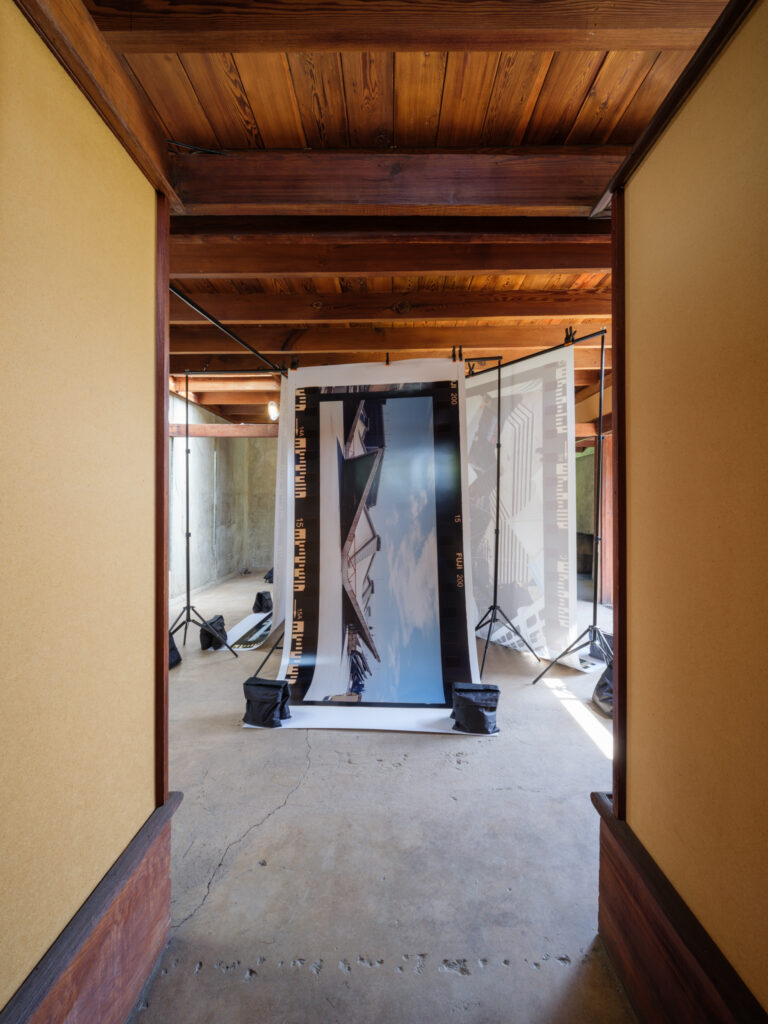
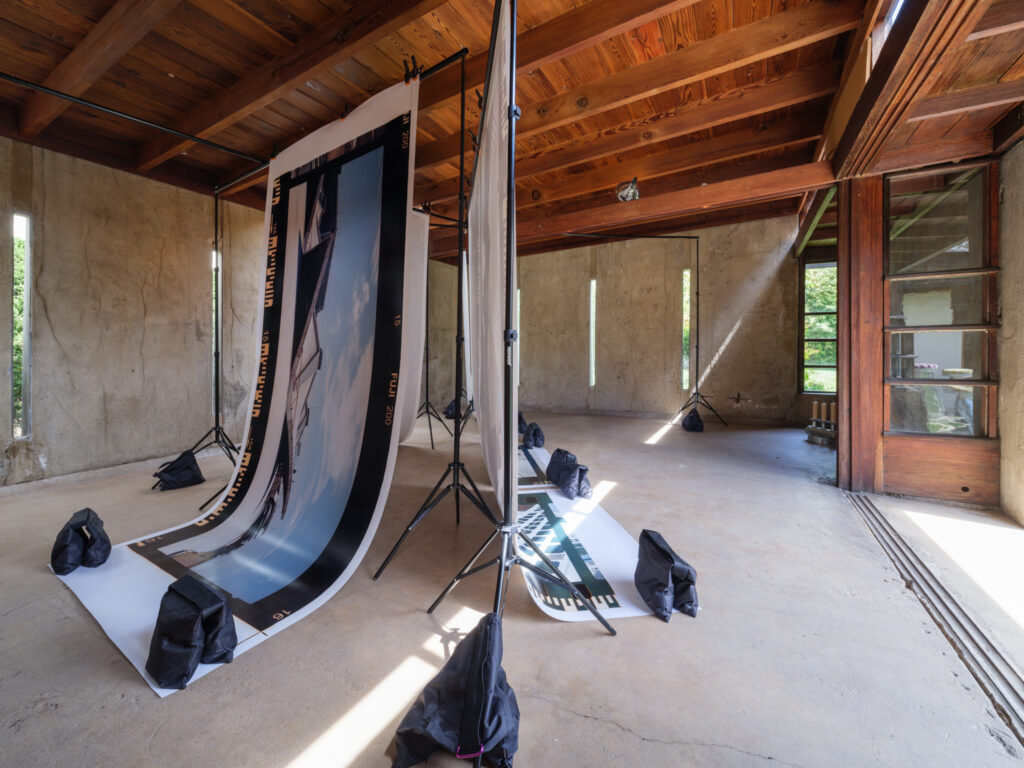
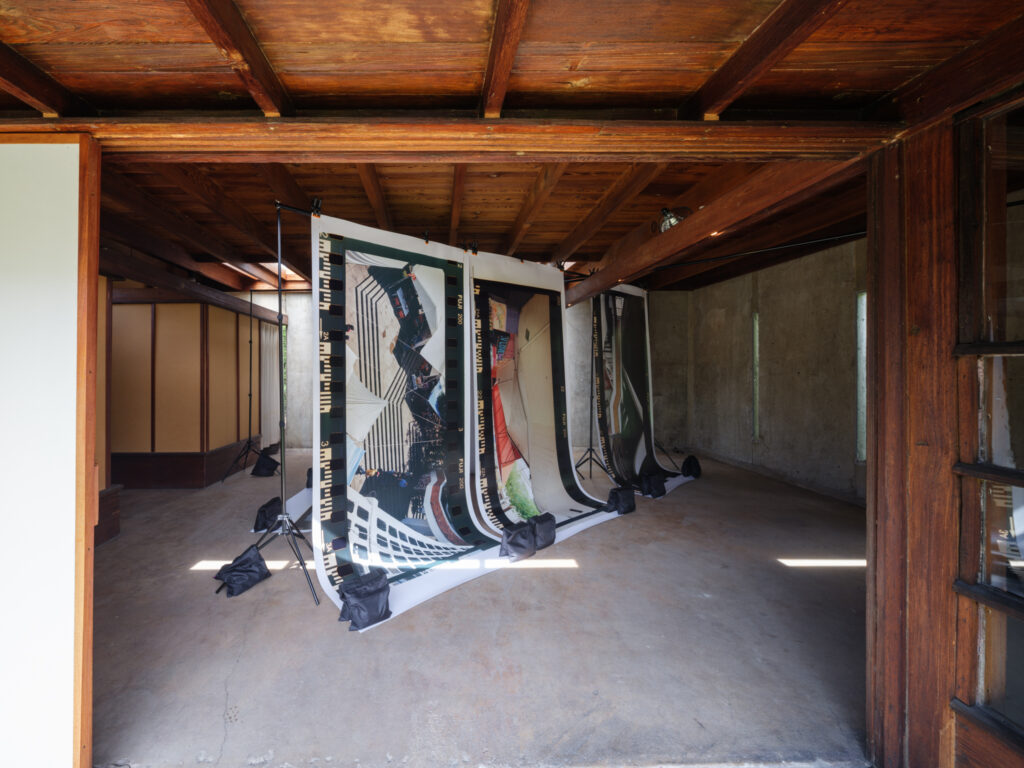
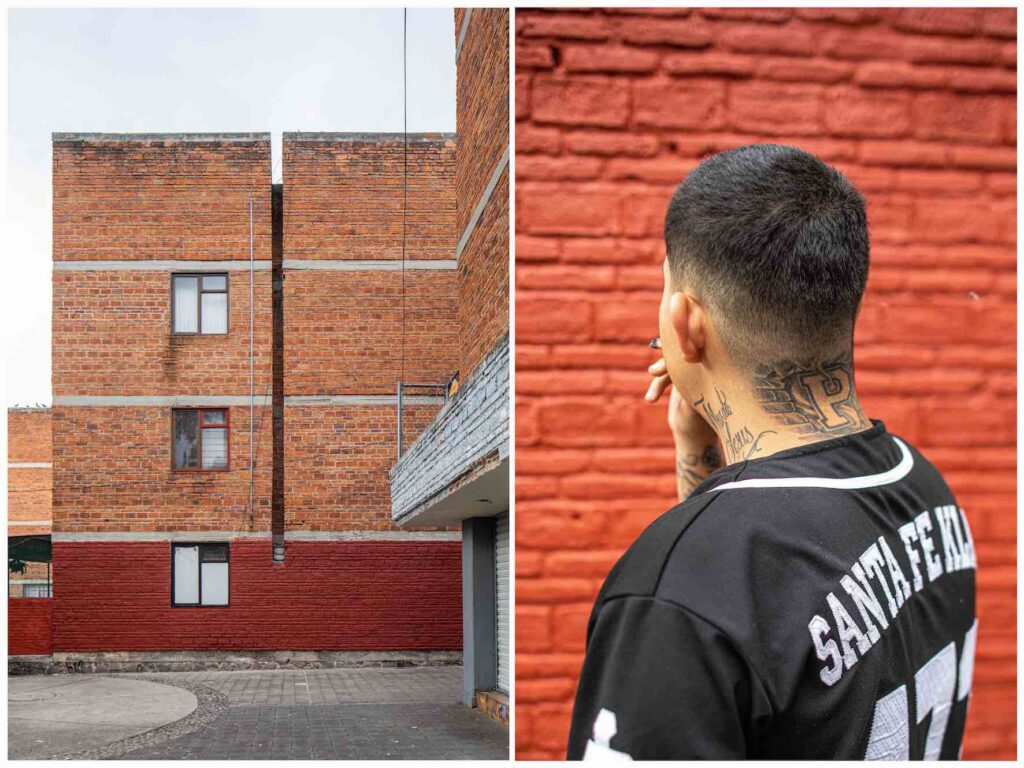
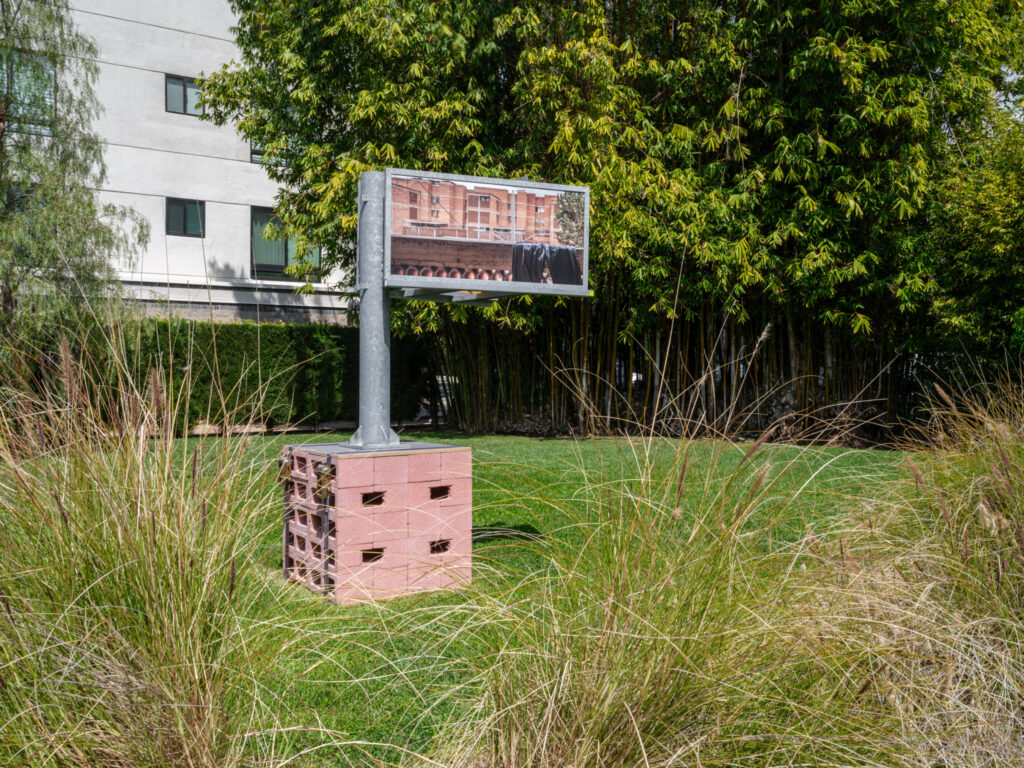
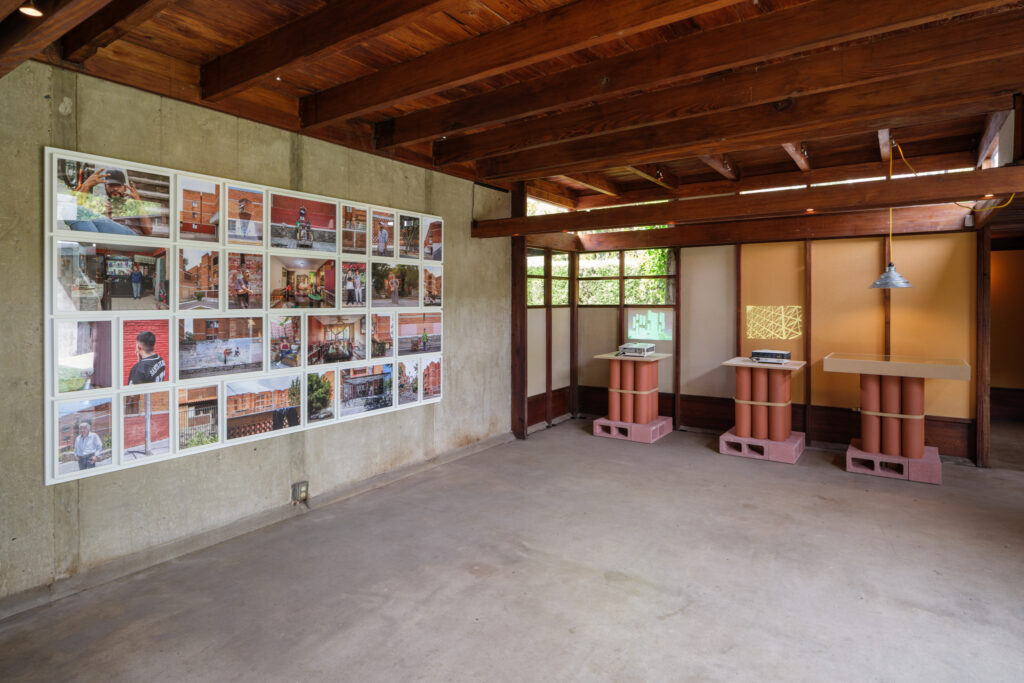
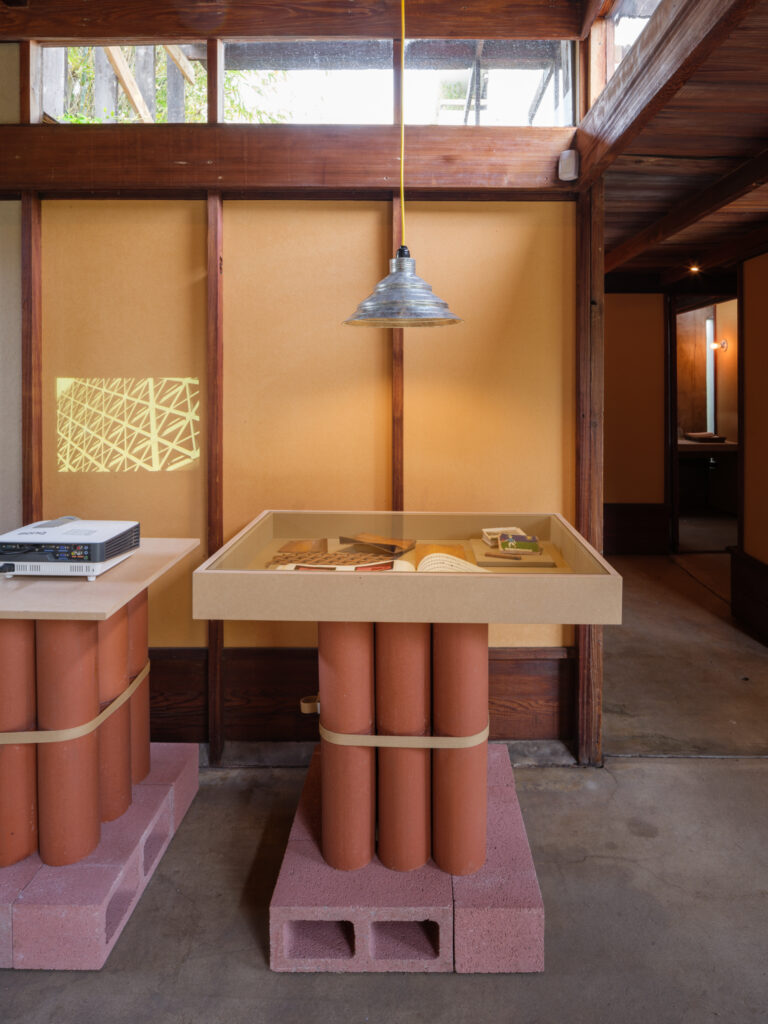
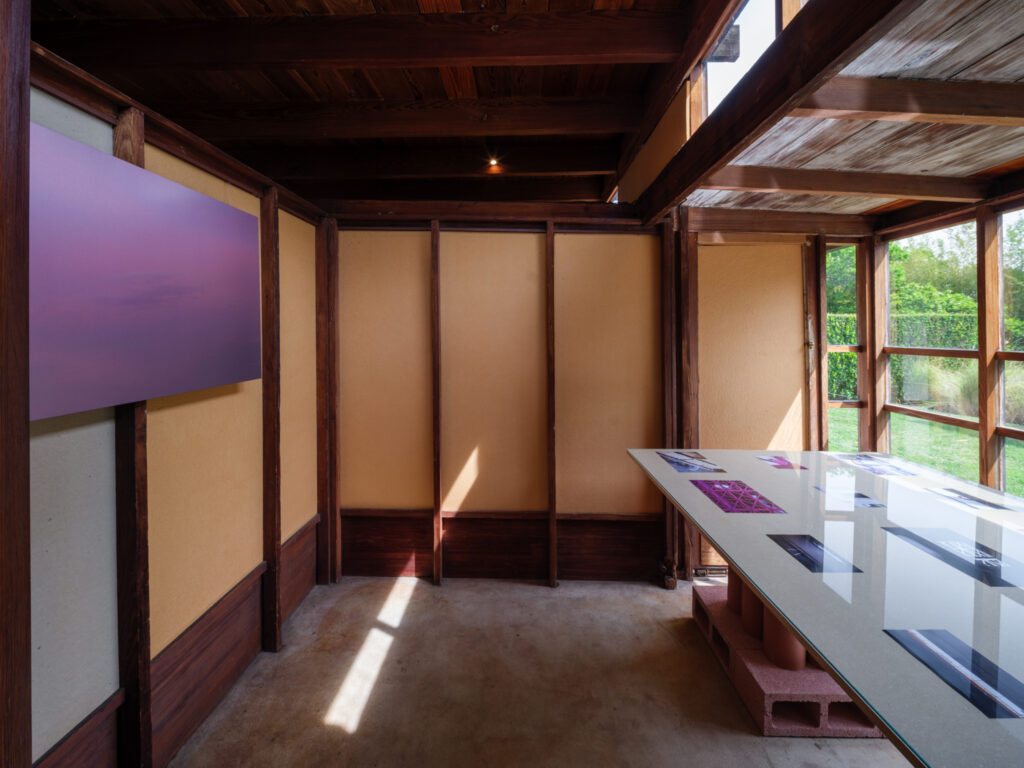
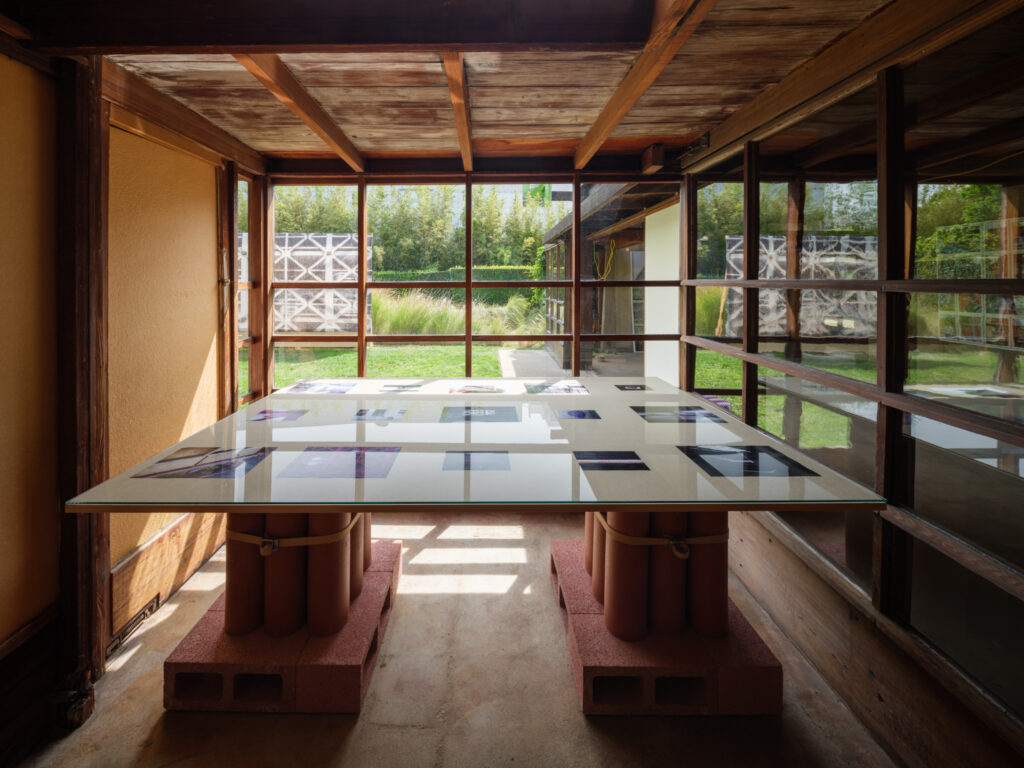
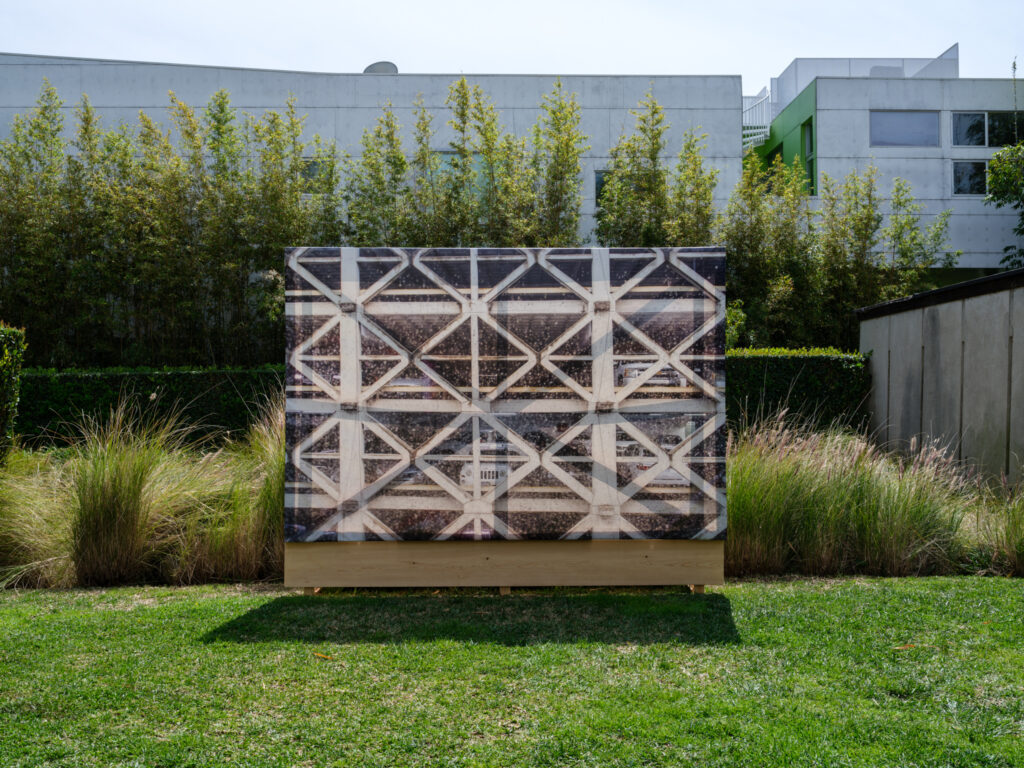
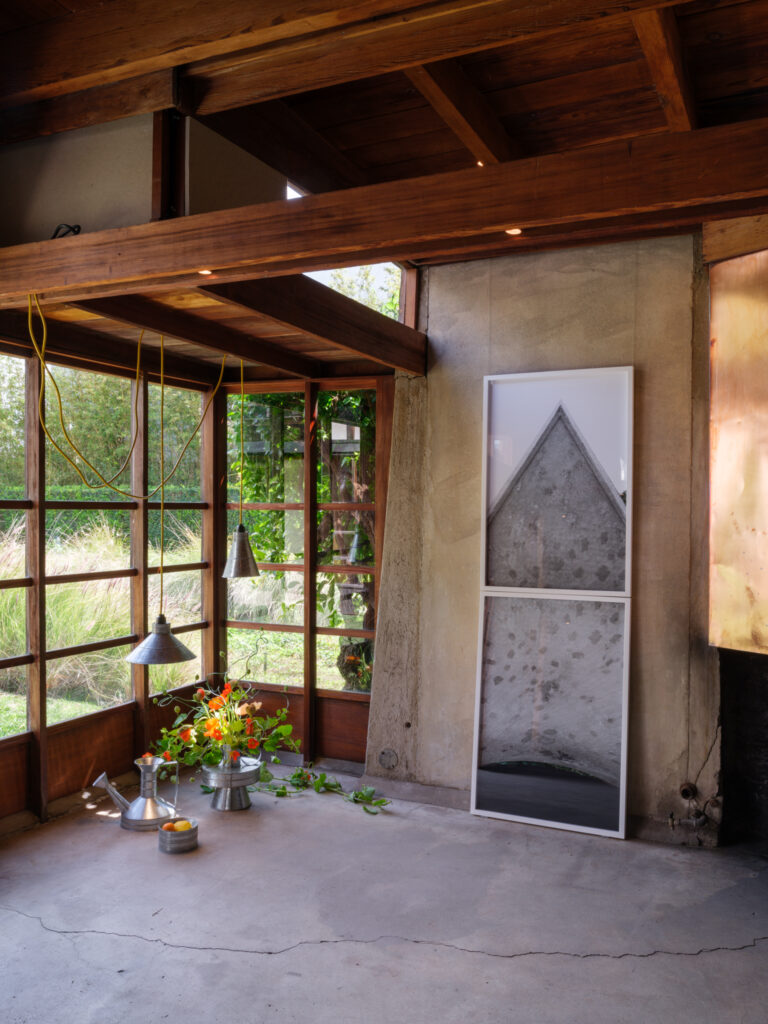
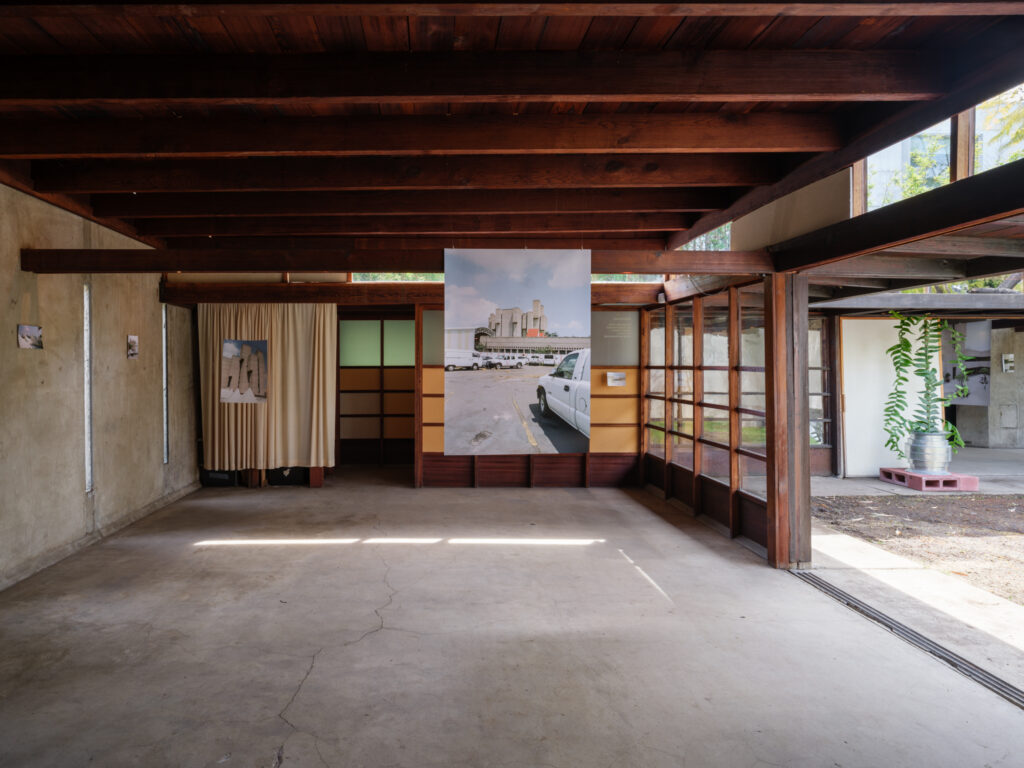
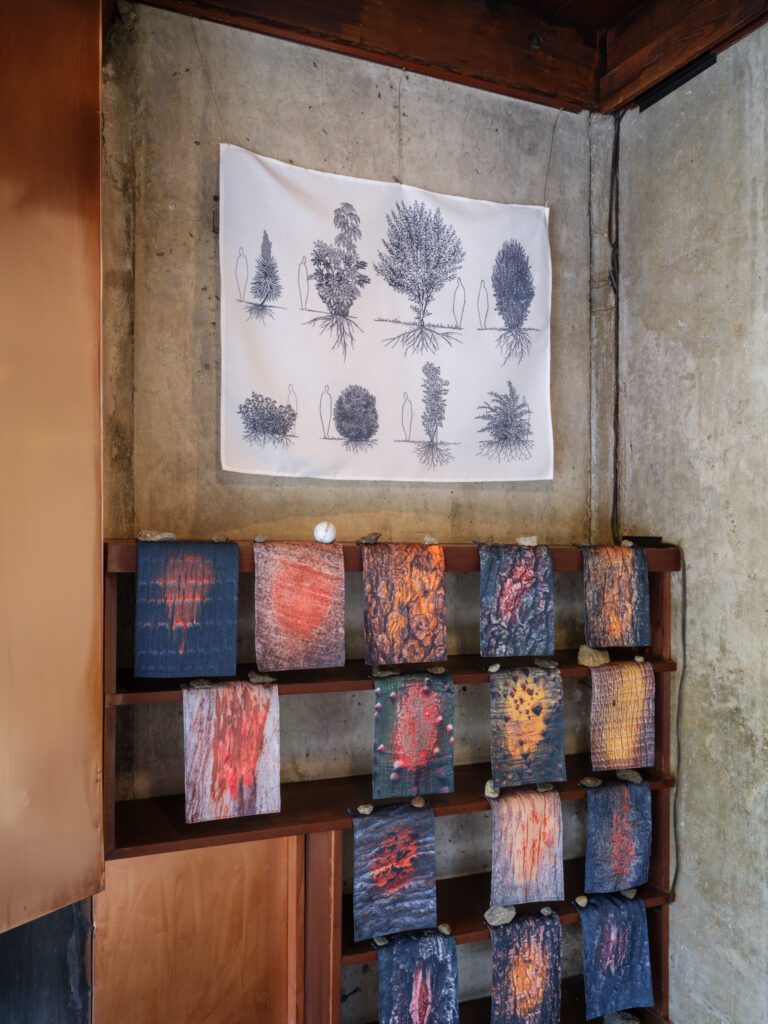
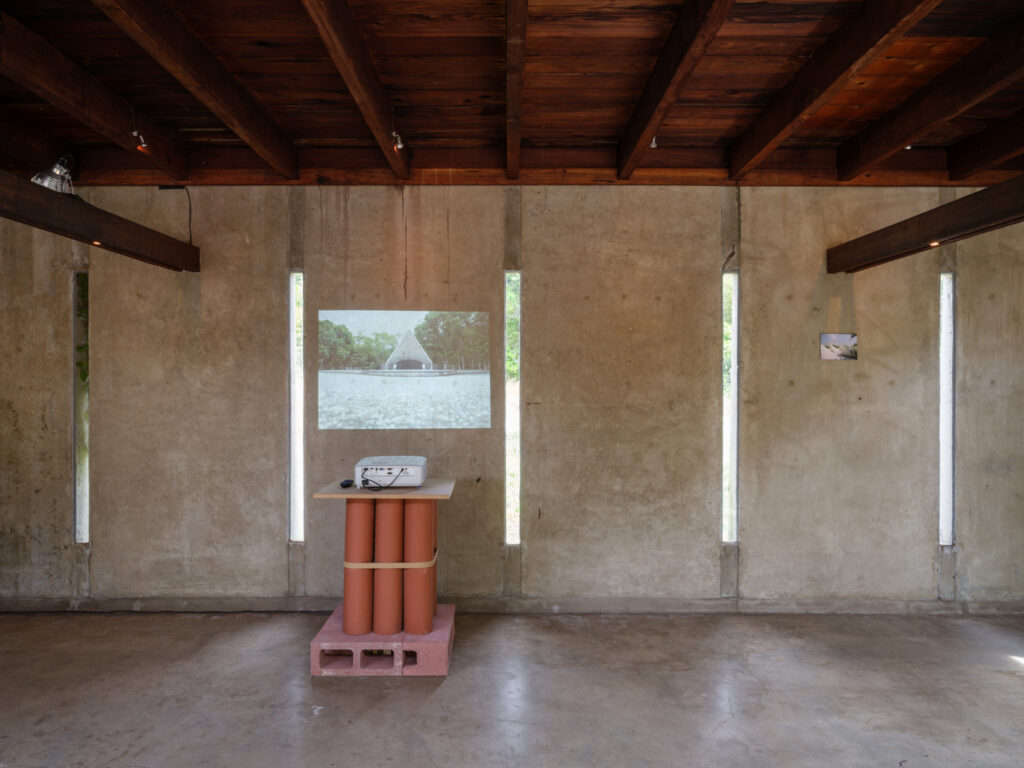
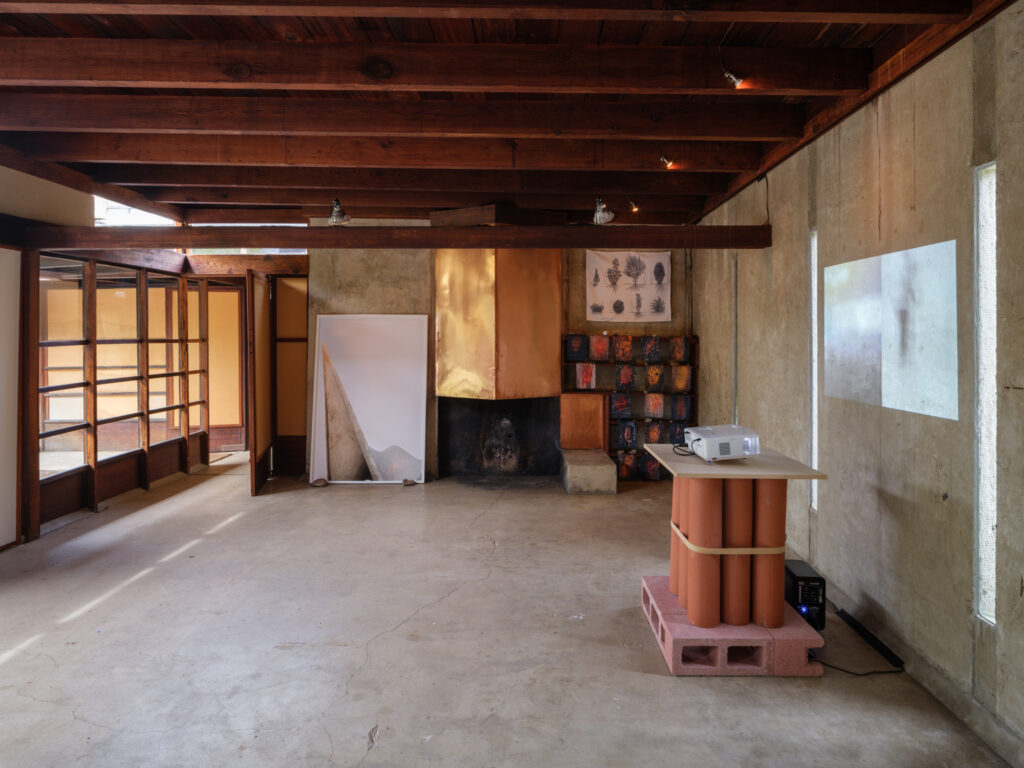
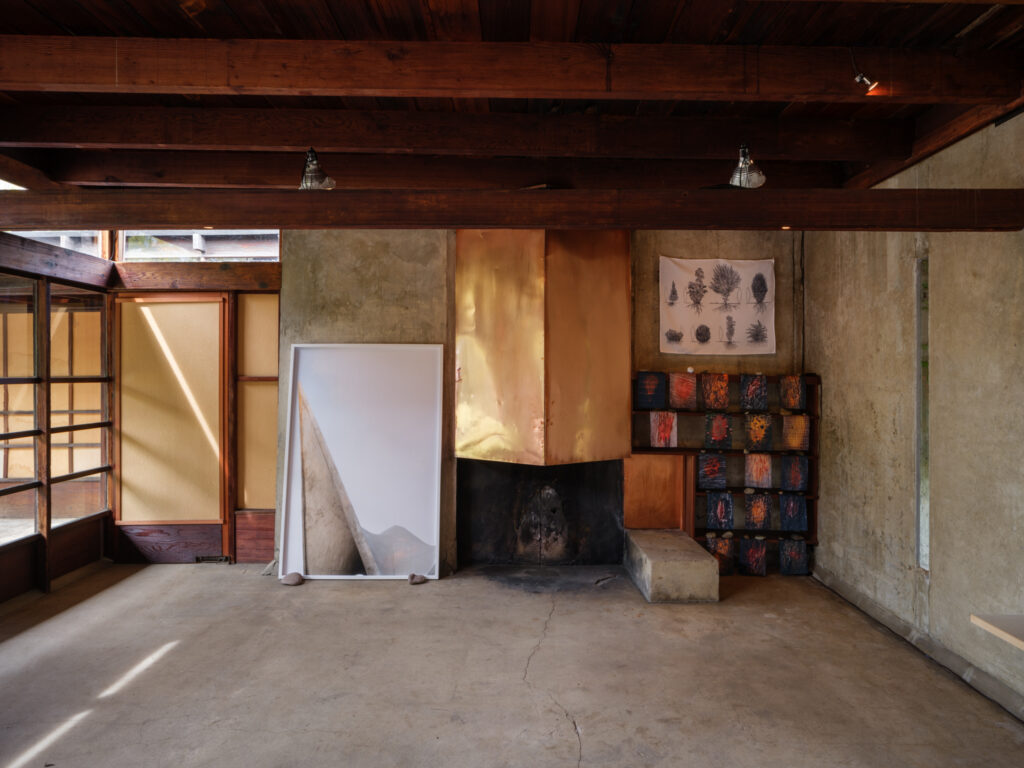
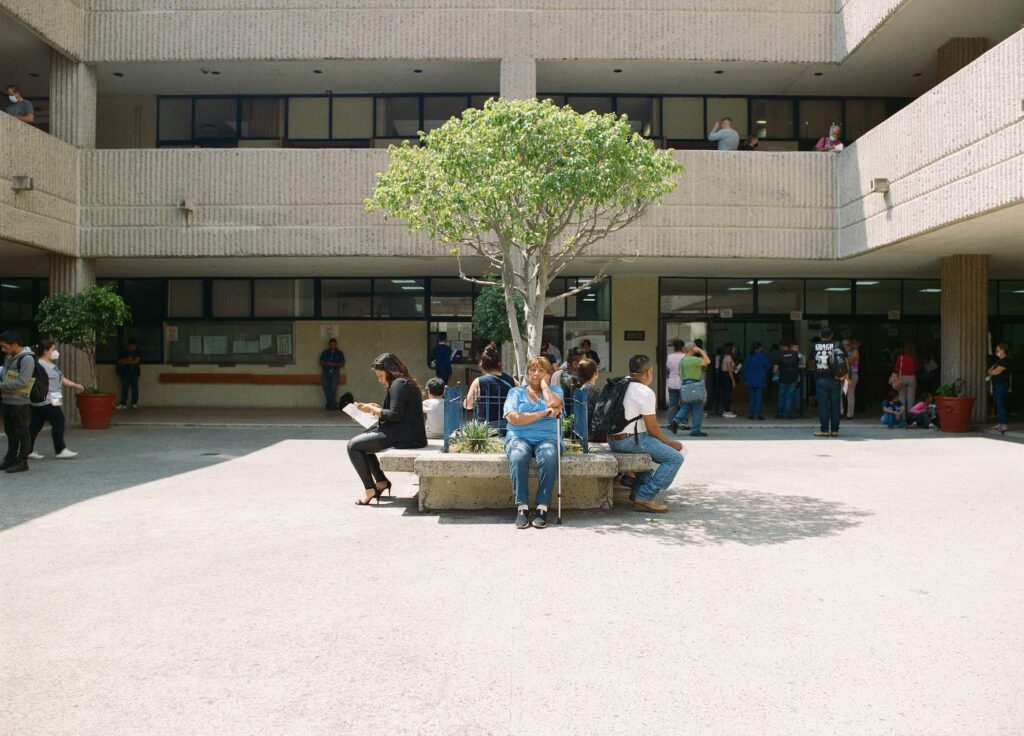
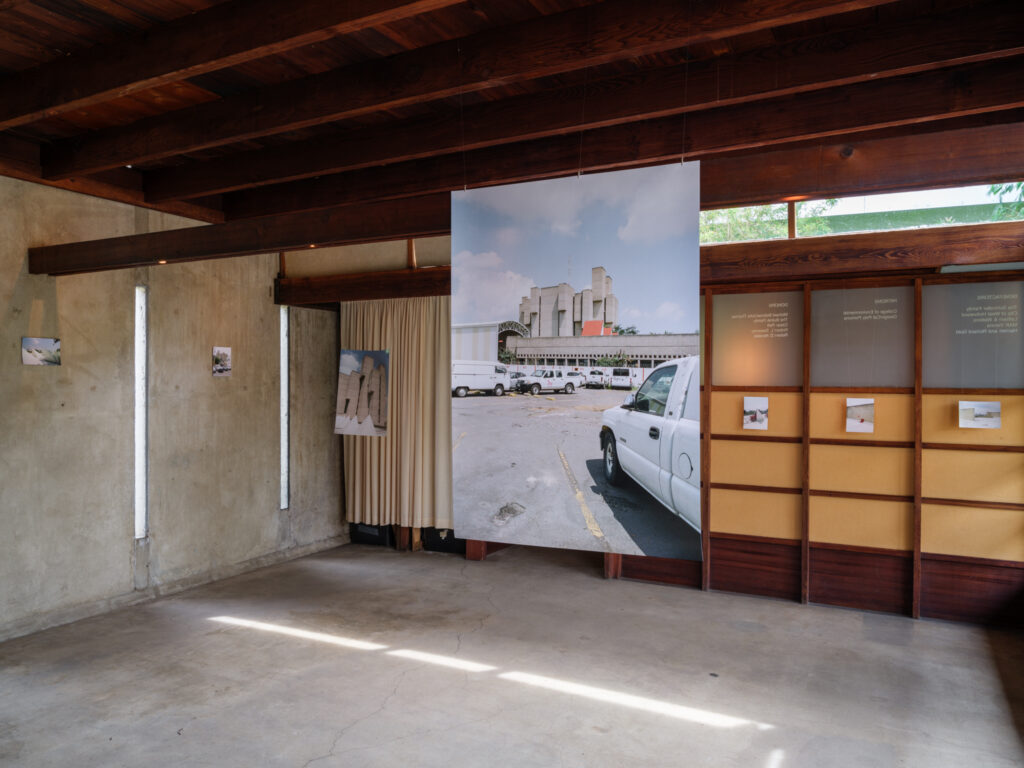
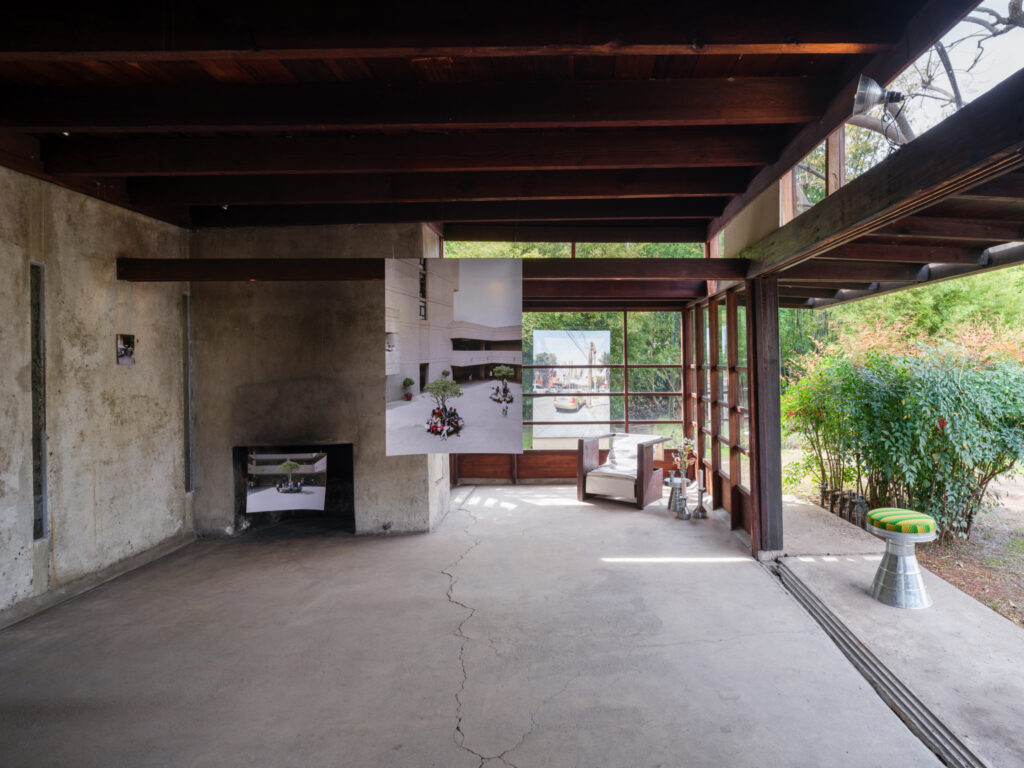
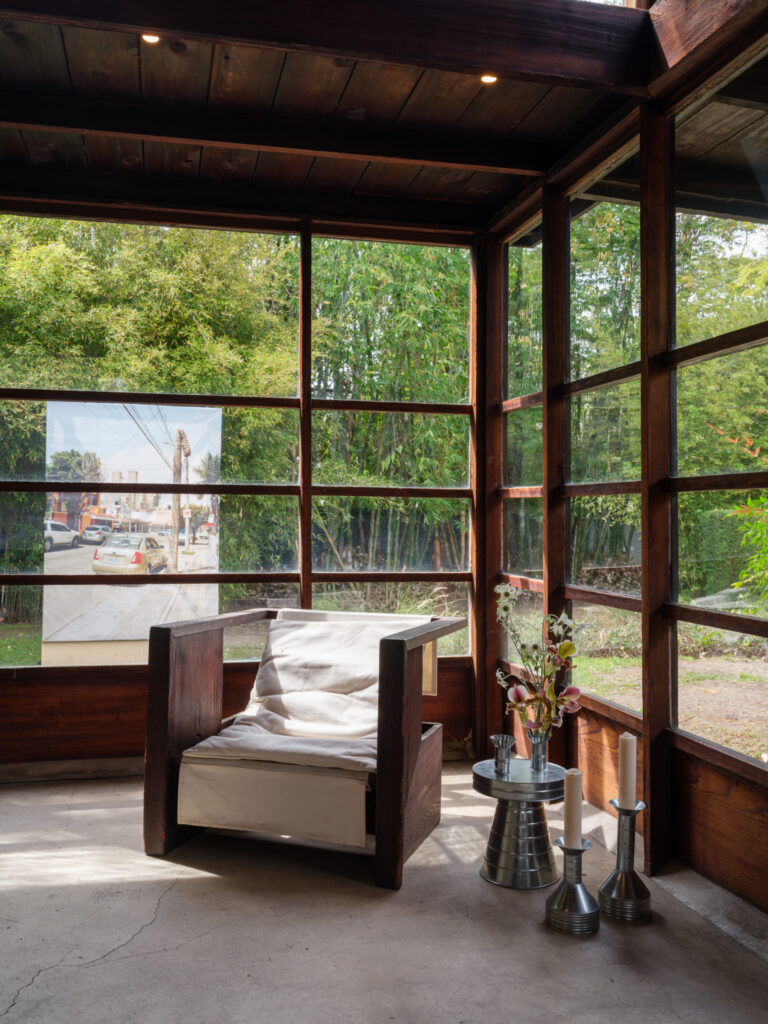
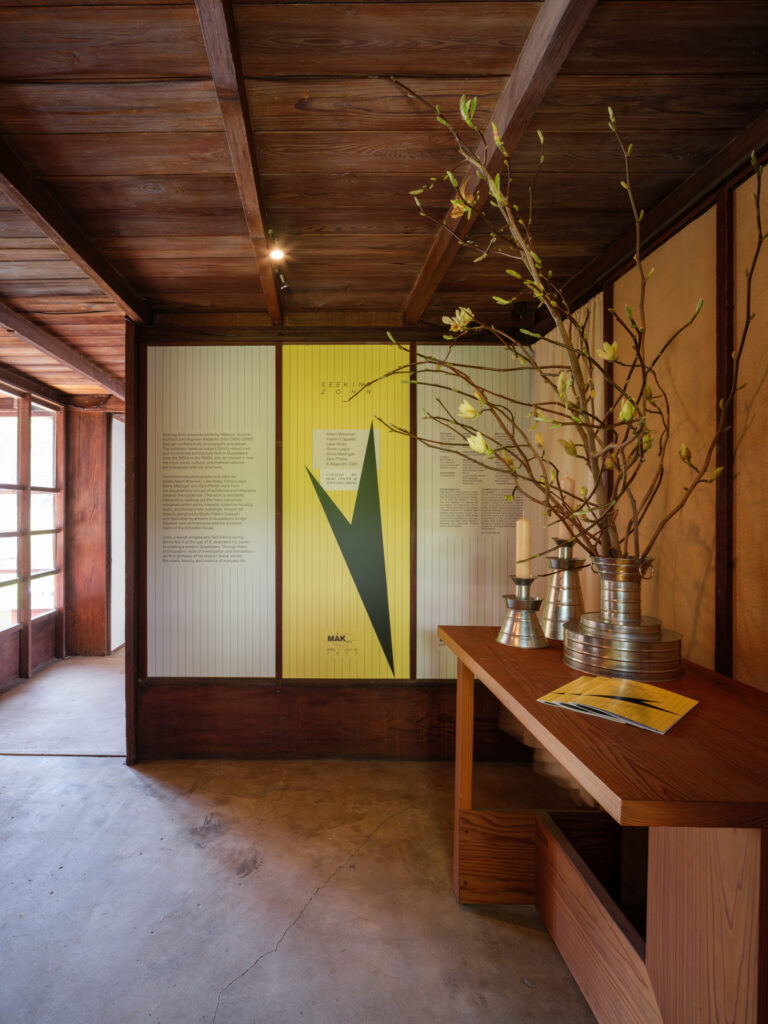
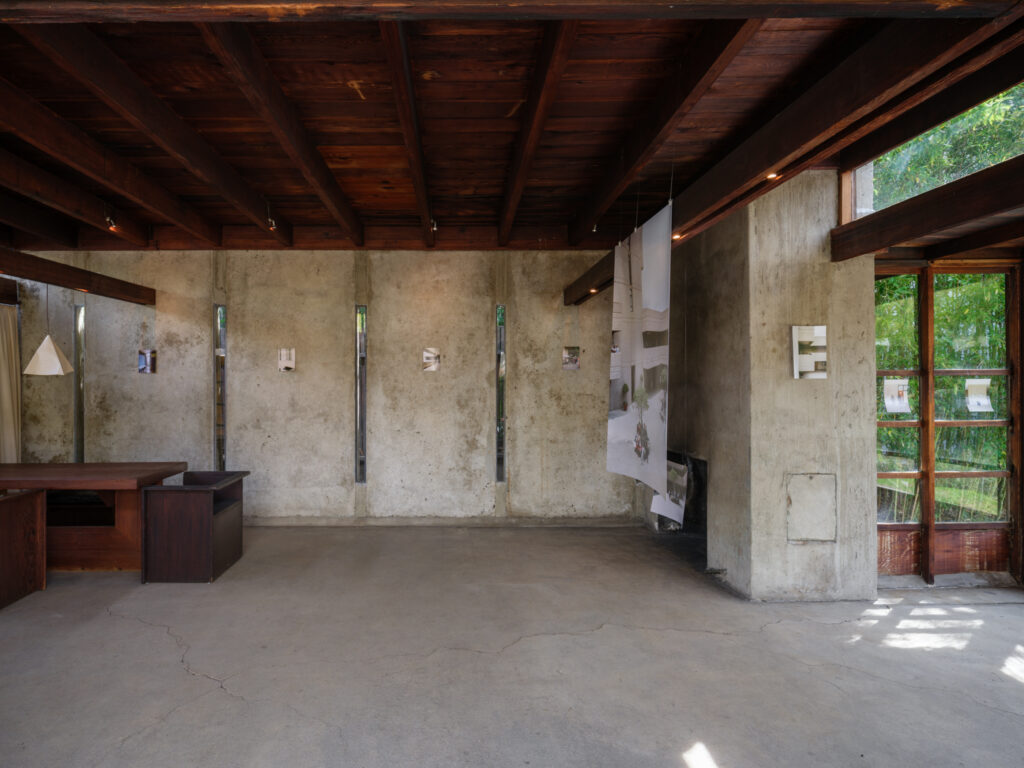
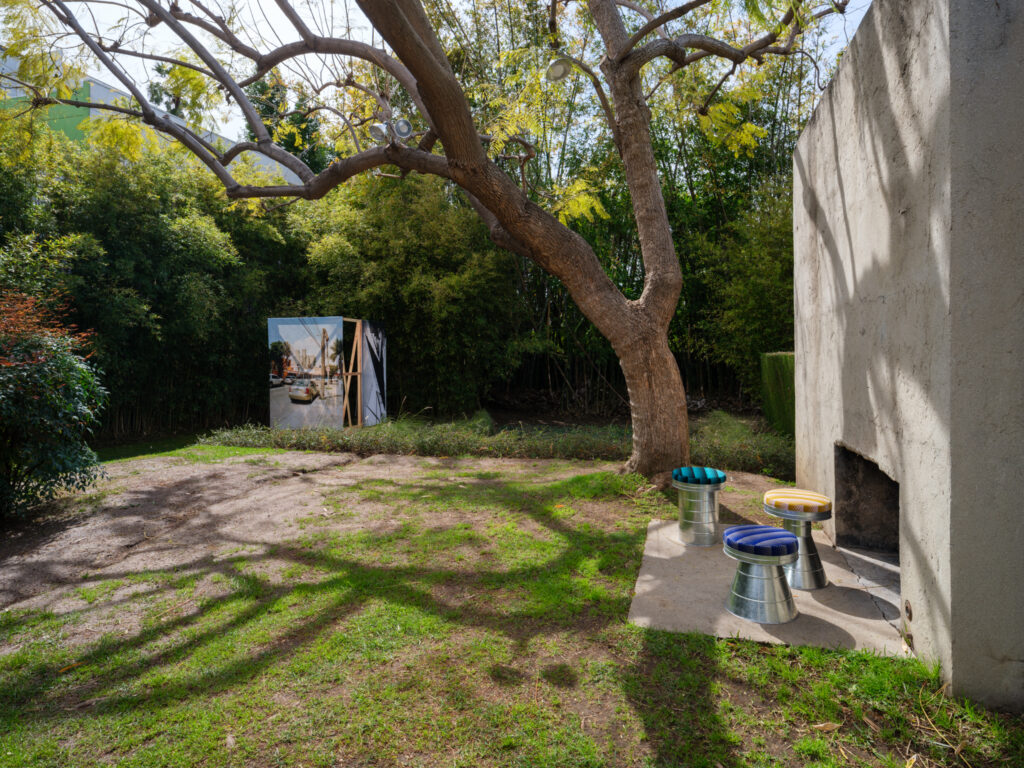
Seeking Zohn presents works by Mexican-Austrian architect and engineer Alejandro Zohn (1930-2000) through contemporary photography and design. The exhibition takes as subject Zohn’s robust civic and commercial architecture built in Guadalajara from the 1950s to the 1990s, with an interest in how the city’s social, cultural, and material histories are interwoven with his structures.

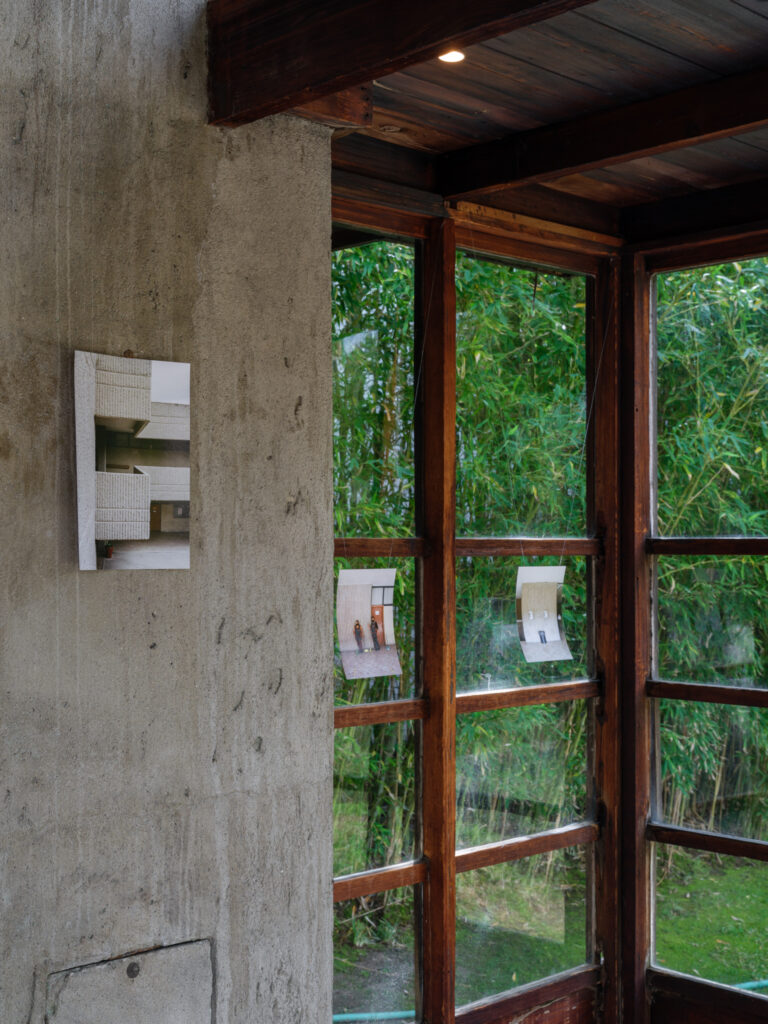
Commissioned photography and video by artists Adam Wiseman, Lake Verea, Onnis Luque, Sonia Madrigal, and Zara Pfeifer veer from the documentary conceit of architectural photography toward the subjective. This work is decidedly interpretive, seeking out the many narratives contained within parks, markets, collective housing, malls, and bureaucratic buildings. Zohn, a Jewish emigree who fled Vienna during World War II at the age of 8, dedicated his career to creating a modern Guadalajara. Through these photographs—acts of investigation and translation—we find glimpses of his utopian desire amidst the chaos, beauty, and violence of everyday life. Read More …