Mimi Zeiger

Critic, editor, curator and instigator.

Long Beach resident and activist Elliot Gonzalez has been working seven years to get the roof garden atop the public library at the Long Beach Civic Center reopened to the public.

He was twenty when he first hatched his plan. He spied the ruins of terraced lawns, abandoned planters, and open-air concrete bleachers through chain-link fencing. Stairways that once lead to the park were shuttered with steel gates and signs reading “Area Closed,” “Roof Closed,” “Trespassing Will Be Cited.” Read More …

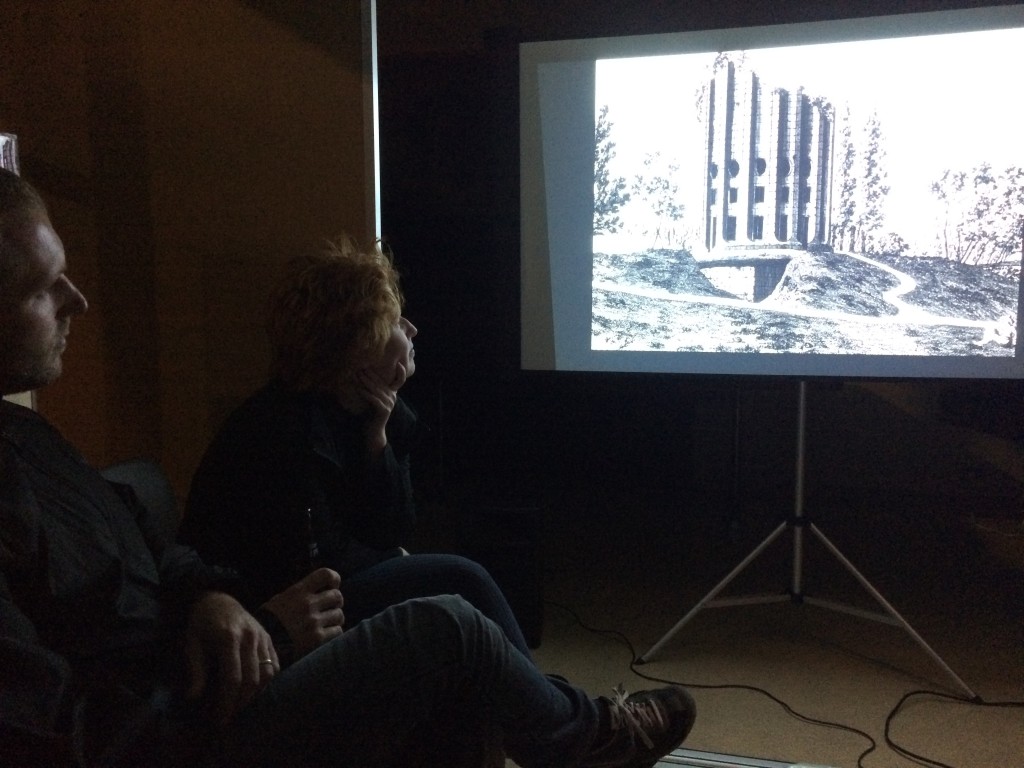
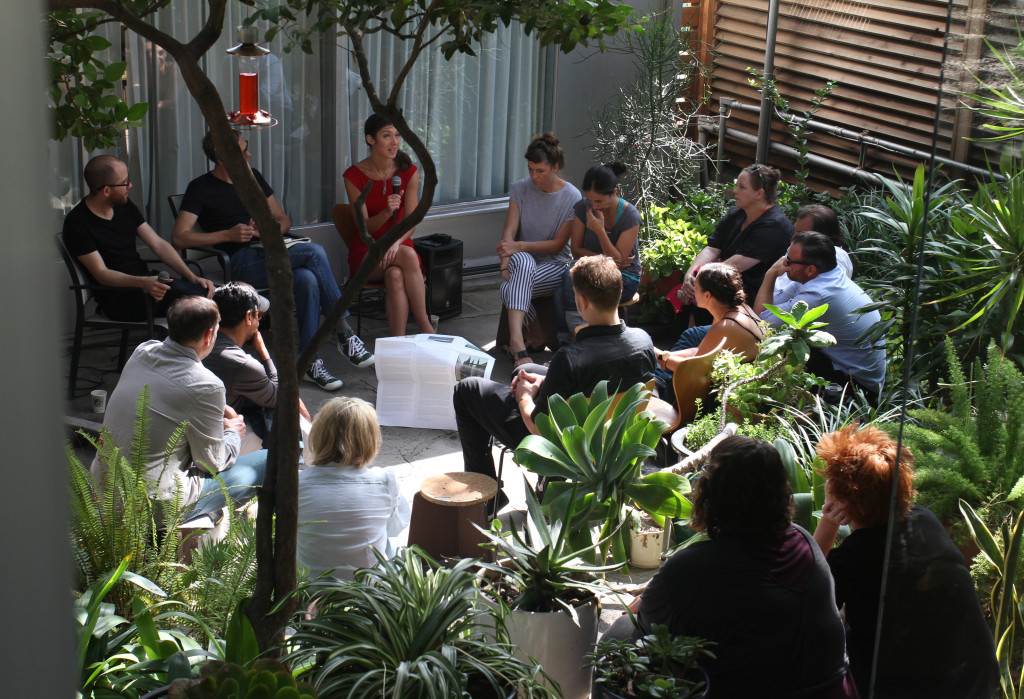
Panel discussion with artist Santiago Borja, critic Mimi Zeiger and curator/artist Anthony Carfello.

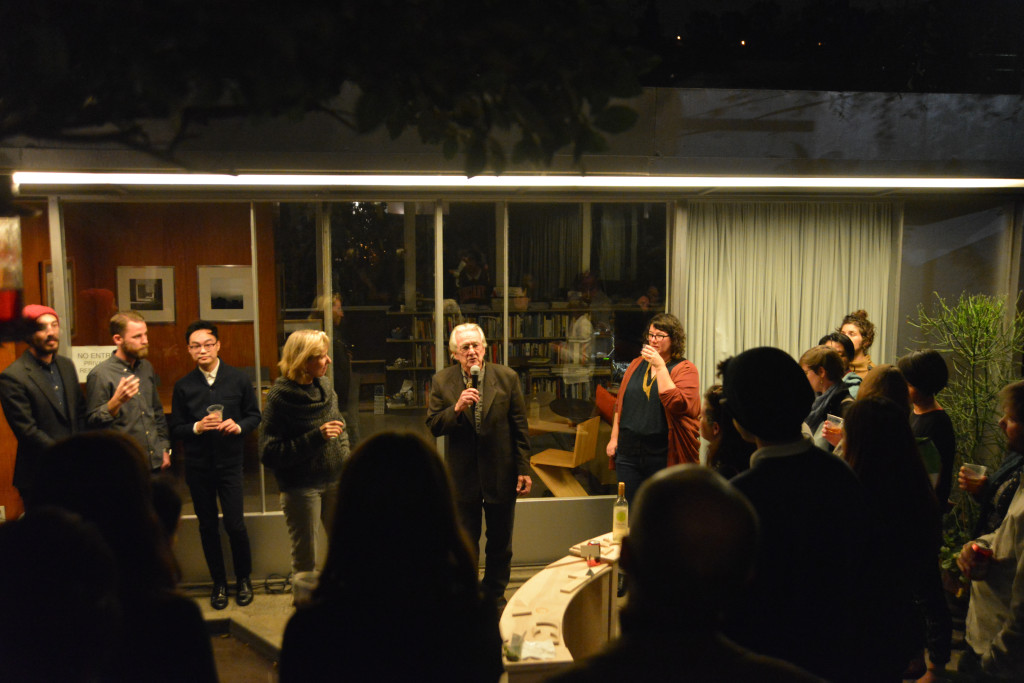
This two-day conference investigates the power of experimental art installations to remake the spatial and social realities of modernist house museums. The symposium responds to the curatorial shift in the maintenance of house museums, in which directors are supporting increasingly transformative art installations that both challenge and celebrate the modernist landmarks. These collaborations with artists point to alternative preservation strategies, which move away from the conservation of historic homes as static objects and instead affirm the importance of human occupation and transformation. The conference will host a series of conversations between house museum directors, curators, critics, artists and architects to reveal the curatorial motivations and artistic processes behind these interventions. Read More …

Host curators are Mimi Zeiger (Los Angeles Forum for Architecture and Urban Design), Leonardo Bravo and River Jukes-Hudson (Big City Forum), and Sarah Lorenzen (Neutra VDL Research House).

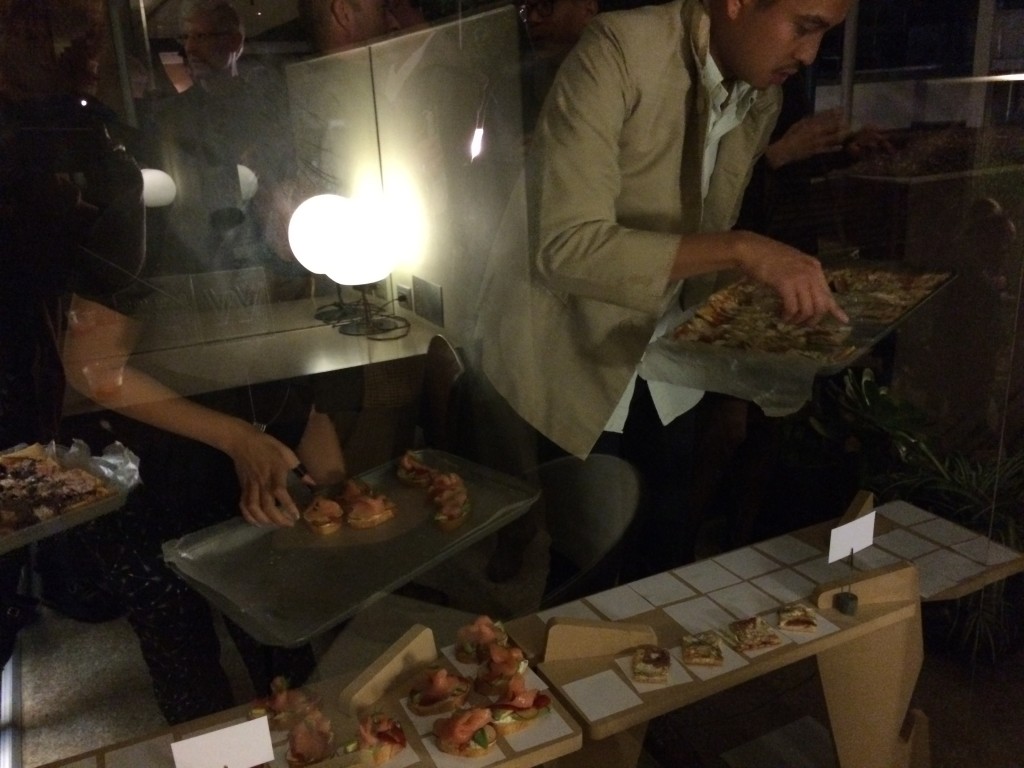
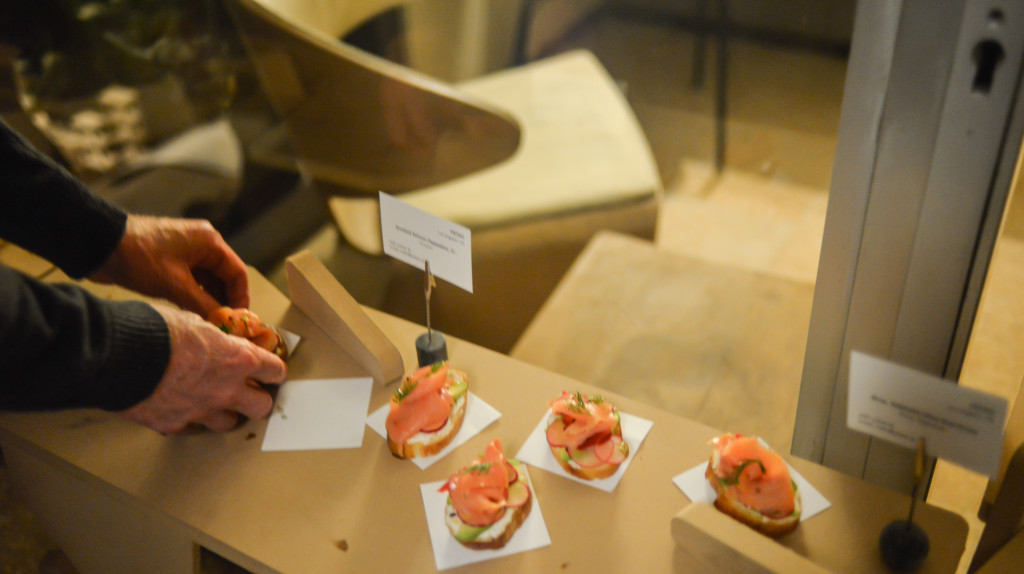
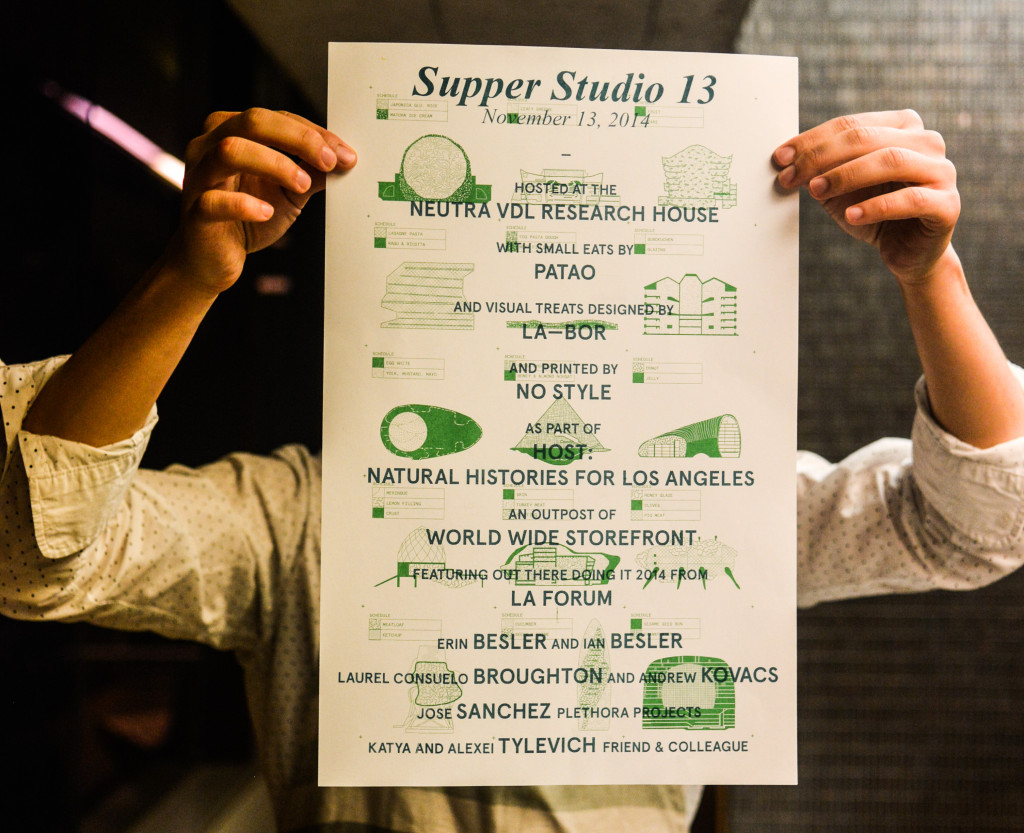
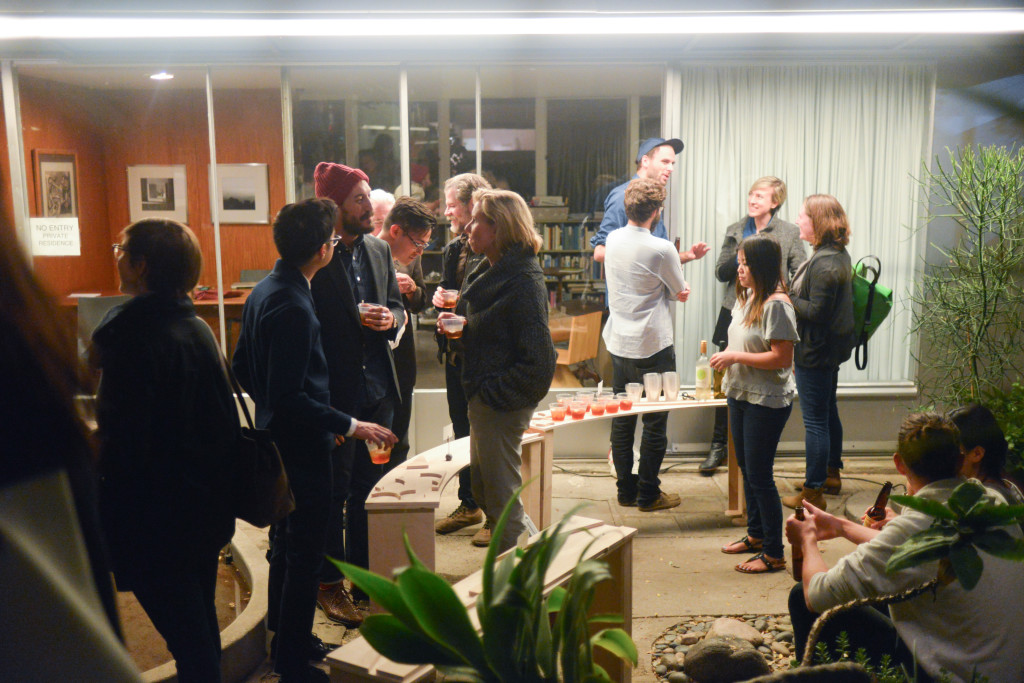
This fall, curators from three Los Angeles-based organizations come together as part of World Wide Storefront, a Storefront for Art and Architecture project, to present Host: Natural Histories for Los Angeles. This series of exhibitions and events is a collaboration between Big City Forum, Los Angeles Forum for Architecture and Urban Design, and the Neutra VDL Research House.

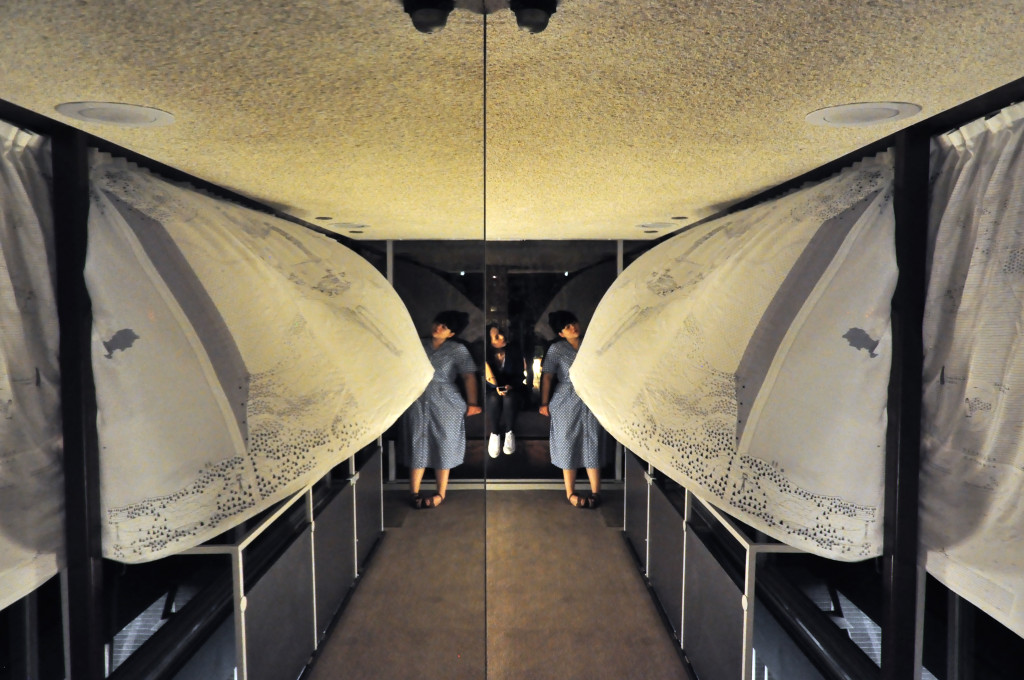
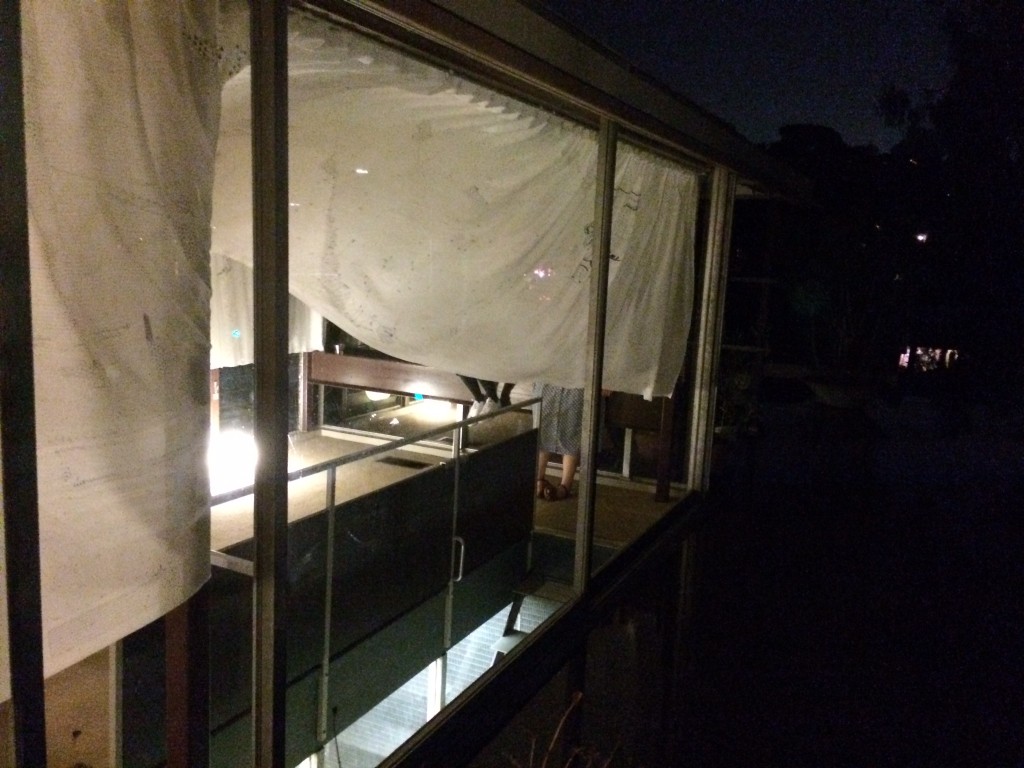
Host: Natural Histories for Los Angeles explores the multivalent meaning of “host” though spectacle, parasitic opportunism, and domestic landscapes. The Neutra VDL Research House serves as the site of these investigations and the house, embedded with spatial effects—mirrors, screens, and pools of water—heightens and confuses the relationship between the domestic interior and the exterior.  Read More …

This past May, octopus bacon—a little surf, a little turf—landed Superba Snack Bar in a spot on Jonathan Gold’s hotly anticipated 101 Best Restaurants in Los Angeles list. The food isn’t the only thing playing fast and loose with diners’ expectations. The interiors capture Venice’s mongrel vibe—Dogtown meets Silicon Beach. There are bike racks, of course, and artist and skateboarder Geoff McFetridge designed the wallpaper. But the zany details, created by Los Angeles-based Design, Bitches, keep going: A tile wall near the open kitchen mimics the inside of a swimming pool, ticking off the depths, and surfer-esque poncho fabric covers the banquettes.  Read More …

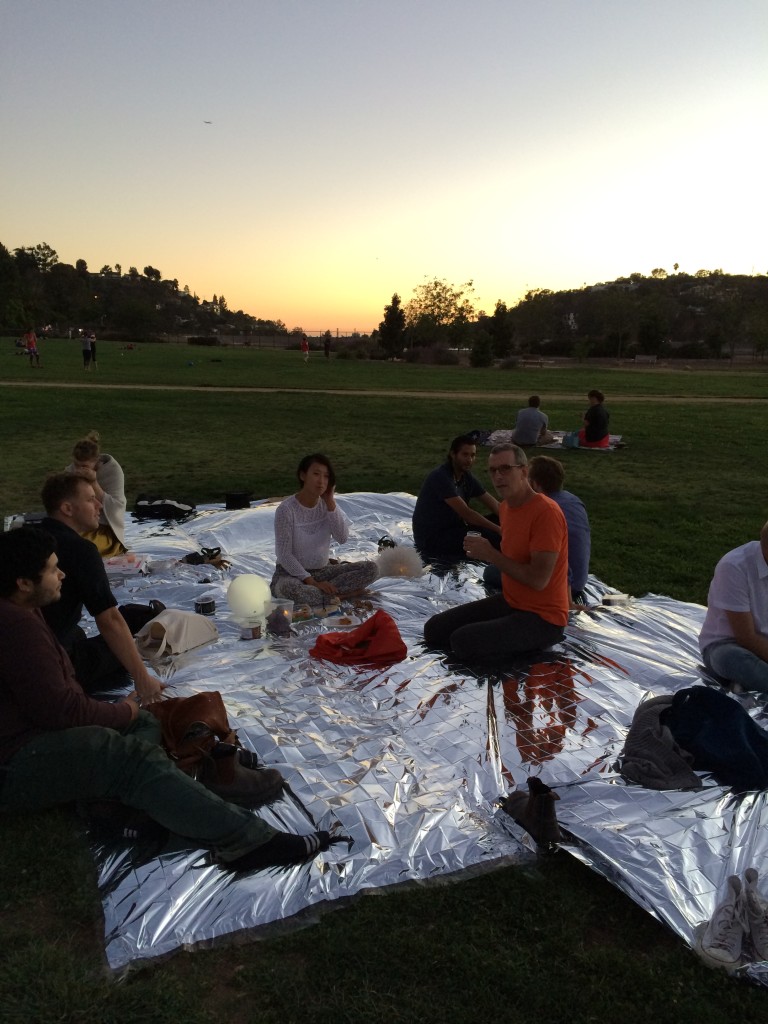
The Los Angeles Seminary for Embodied and Civic Arts and its extended community present Sundown Stock & Exchange. This Labor Day weekend marketplace explores the social, economic, creative, and communal nature of work. Participants and visitors pause, perform, and posture actions that reveal embodied relations to labor and production. Work is offered for barter, exchange, negotiation and sale. Visitors are also encouraged to bring personal belongings and valuables to exchange. Programming includes street sales, artist advisory services, in-house production, screenings and more.

Curated and organized by Reid Ulrich. Contributors & Participants: Amanny Ahmad, Lisa Anne Auerbach, Mark Allen, Maura Brewer, Danielle Bustillo, Joey Cannizzaro, Carey Chiaia, Alexis Disselkoen, Zackary Drucker, Lauren Elder, EARL GRAVY, Maya Gingery, Paige Gratland, Fritz Haeg, Matt Merkel Hess, Hesse Press, Bettina Hubby, Iko Iko, Helena Keeffe, Los Angeles Museum of Art, Emily Marchand, Ian Markell, Metonym, Public Fiction, Anna Ruetinger, Justin Stadel, Thank You For Coming, Reid Ulrich, Rosten Woo, Lucas Wrench and Mimi Zeiger.
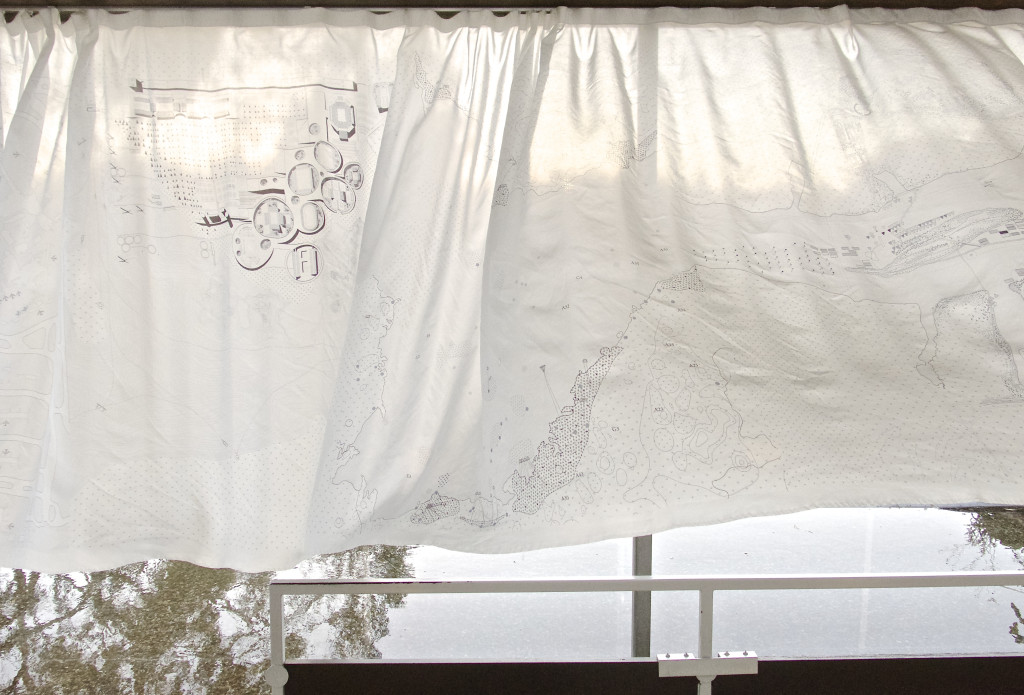
This is a tale about a blob in a park. Or, this is a tale about a blob in a park with a bridge. Or the tale of a blob in a park, a bridge, and a tower designed by LA’s most famous architect. Or, it’s the tale about a city and a blob in a park, a bridge, a tower, a lacklustre sphere, and a subway stop. It’s a cautionary tale.

In late June the Los Angeles County Museum of Art (LACMA) releasedPeter Zumthor’s revised design for its new museum buildingHis earlier preliminary design, a self-described “black flower” raised some 30 feet above the ground on oversized glass footings, oozed a wee too close to the La Brea Tar Pits that inspired its undulating form. Leadership at the Page Museum, which actively uses the pits for research, expressed concern and asked Zumthor to back off. Squeezed in and smooched out, the new Schmoo-like scheme maintains the approximately 400,000 square feet required to display museum’s extensive collection, but it does so by stretching across Wilshire Boulevard to a piece of property that is currently a LACMA parking lot. Read More …

Last Friday, Rem Koolhaas sat on stage in the main event tent of Fundamentals, the 14th International Architecture Exhibition, la Biennale de Venezia, for a panel discussion on preservation. His shoulders were characteristically hunched and his hands were folded over the microphone. All eyes were on Koolhaas as the packed house waited for him to speak, willing him to fully explain why, as director of the biennale, he broke La Biennale into three parts, tasking the national pavilions with a research imperative entitled Absorbing Modernity: 1914–2014, devoting the Central Pavilion to the kit-of-parts Elements of Architecture, and filling the Arsenale with the interdisciplinary, countrywide scan, Monditalia. Read More …

Apple may have acquired Beats Music and Beats Electronics in May, but the new Beats by Dre headquarters in Culver City couldn’t be farther from the all-white aesthetic favored by Jonathan Ive and Steve Jobs or Norman Foster’s spaceship-in-the-garden landing soon in Cupertino. “We come from hip-hop, hardcore punk, and indie rock. Hype Williams to Paul Williams, Robert Mapplethorpe to Robert Kelly. How do you design for that without being cliché?” asks Luke Wood, cofounder of the company with Dr. Dre and Jimmy Iovine. Read More …

On paper, the overhaul of Steve and Colleen Nusinow’s 2,000-square-foot Craftsman-style bungalow in Redondo Beach, California, is a classic empty-nest story: The kids move out, the parents treat themselves to a master suite. But their tale isn’t typical. Like many remodelers, the couple wanted to ditch their cramped bedroom, which faced the street and lacked adequate closet space. In their quest for more room and privacy, the Nusinows turned the house inside out, opening it to the outdoors for entertaining and everyday living. Read More …

Let’s get this bit out of the way: Mexico City is dense, Mexico City is colourful, and Mexico City is a place of contrasts. That is to say, in a haze of pollution you can eat tapas on the roof of a boutique hotel designed by Enrique Norton – or scoff down quesadillas on the street, sheltered by a tarp hung between a fence and a lamp post. The city’s famous outdoor markets sell local crafts and produce alongside imported Chinese sundries. Icons of Mexican modernism are tangled in an urban fabric dating back centuries. For a number of young architects, designers, and curators practicing in its colonias (neighbourhoods), Mexico City is more than clichéd observation; it’s an opportunity to refashion the narrative. Read More …