Mimi Zeiger

Critic, editor, curator and instigator.

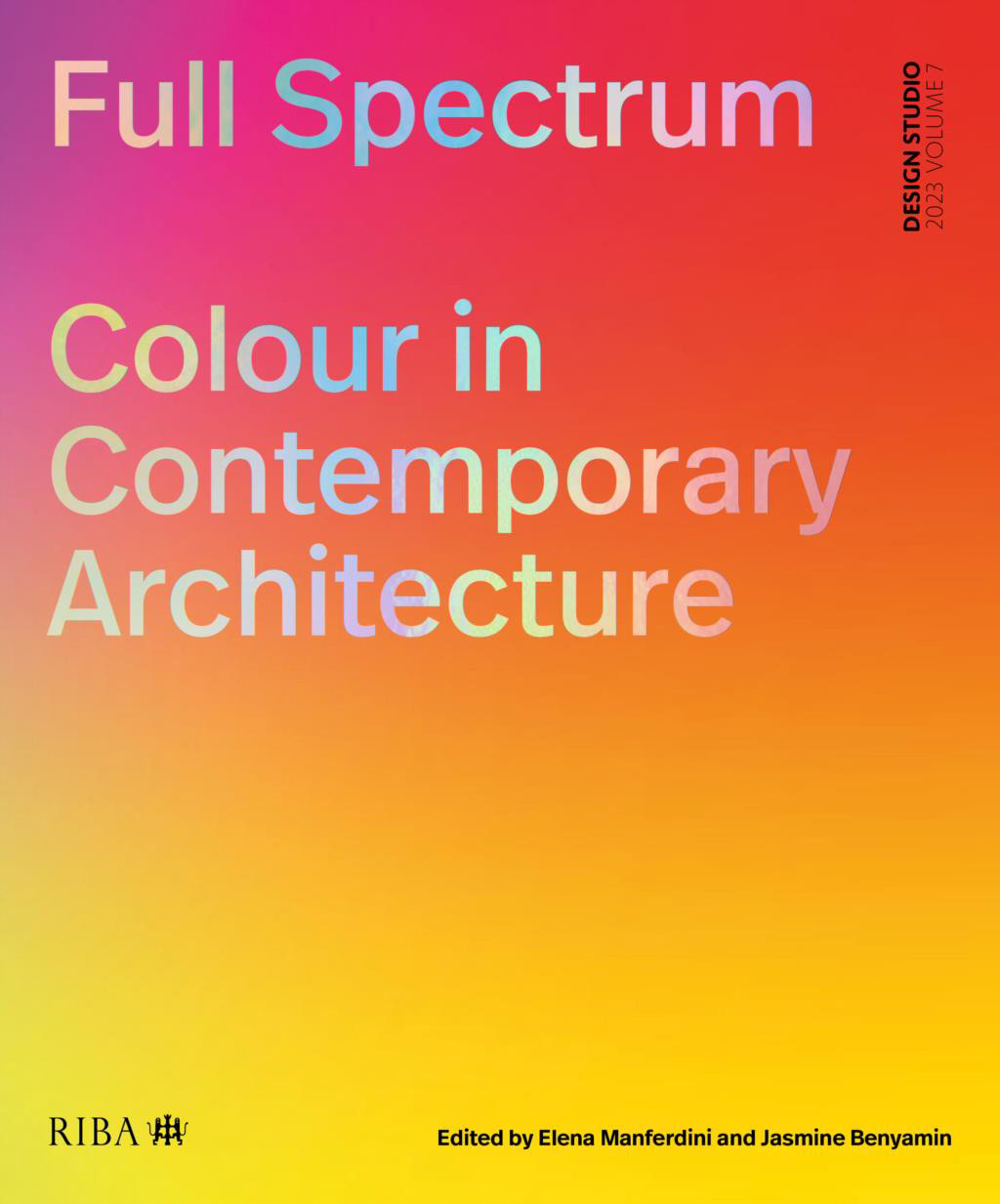
Colour is architecture’s sharpest tool in the box. It has indexed everything from the feminine, cosmetic and vulgar to the pure, intrinsic and embodied.

Attitudes to colour are constantly shifting. They have played a central role in the history of architecture: from the polychromy of the ancients to the great white interiors of high modernism; the figurative flourishes of postmodernism to the embodied sublime of contemporary building systems and facades.

Read More …

The Architecture of Disability uses the lens of disability to reevaluate received architectural histories and speculate on a more inclusive architectural environment.

A shock of recognition comes early in The Architecture of Disability. Author David Gissen argues in his introduction that while providing adequate access for disabled people is necessary, making it the dominant principle by which architecture responds to impairment not only is insufficient but also reinforces alienating functionalist narratives. And then, toward the end of this initial essay, he turns the mirror on the discipline itself—to the hustles of studio, site visits, and archival work that compose common design and research practices. In short, the ways that architecture cultivates an unwritten doctrine of, as Elon Musk might put it, hard core. Read More …