Mimi Zeiger

Critic, editor, curator and instigator.

Ezra Stoller photographed postwar U.S. architecture with the rigor of a true believer. His images—published widely in numerous trade magazines as well as in House Beautiful and House & Garden—presented modernism not as an avant-garde or utopian vision, but as a movement in situ, one born fully formed like Athena from Zeus’s skull. Yet a global war and an ocean unequivocally separate early twentieth-century experiments undertaken at the Bauhaus and by Le Corbusier from the postwar embrace of modern architecture by corporate leaders and the cultural elite in the United States.

In Stoller’s crisp, black-and-white prints, boxy-shouldered skyscrapers like Ludwig Mies van der Rohe’s Seagram Building (1958) or Skidmore, Owings & Merrill’s building for Union Carbide (1960), both in New York, proudly rise above the city grid—steel and glass curtain walls towering over masonry edifices. These were depicted as the heroes of a new age. Stoller, always precise about natural light and time of day, photographed Mies’s structure at dusk; every floor is illuminated, and the building seems to glow with industry. His image of New York’s Solomon R. Guggenheim Museum (1959), taken looking straight up into the cylindrical belly of the building, freezes Frank Lloyd Wright’s experiential design of spiraling ramps into an iconic composition—modernism’s dynamism temporarily tamed.
Read More …

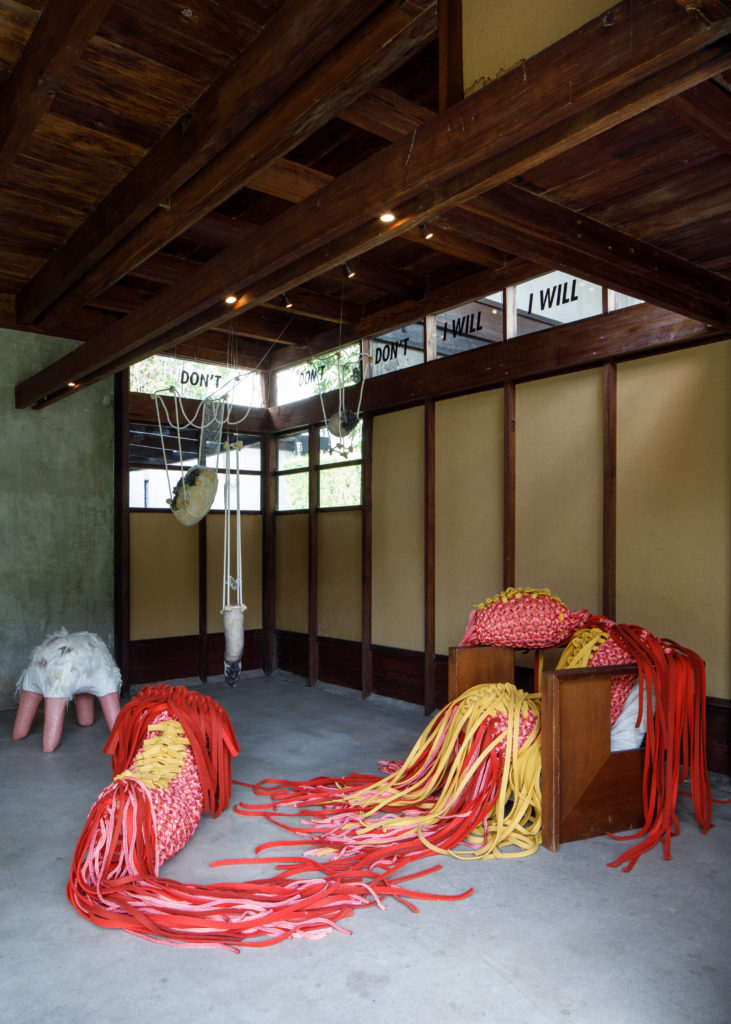
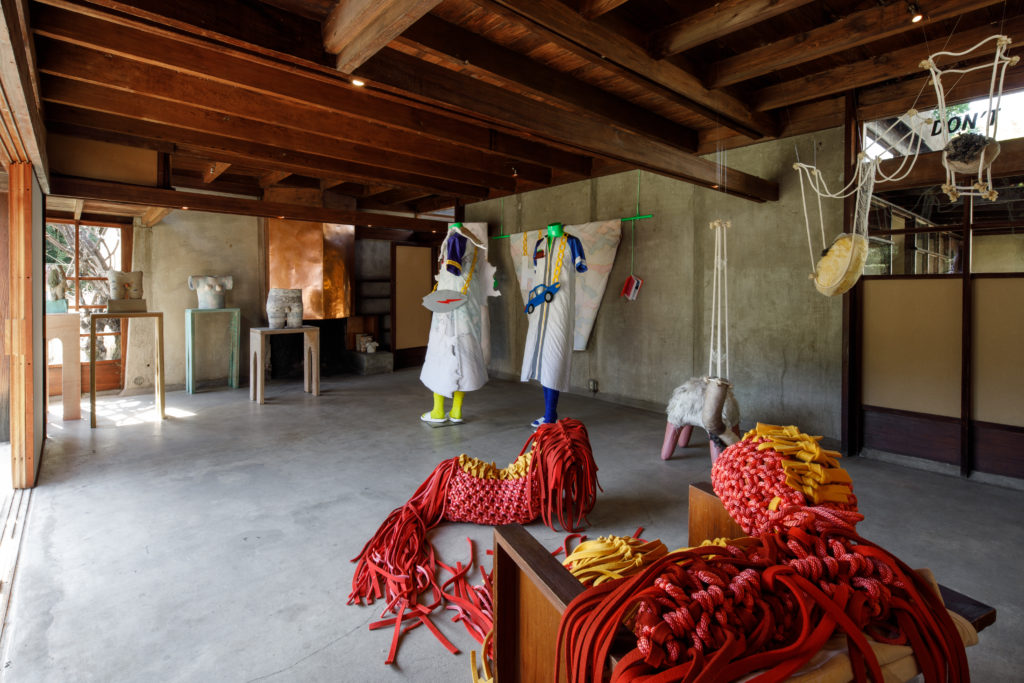
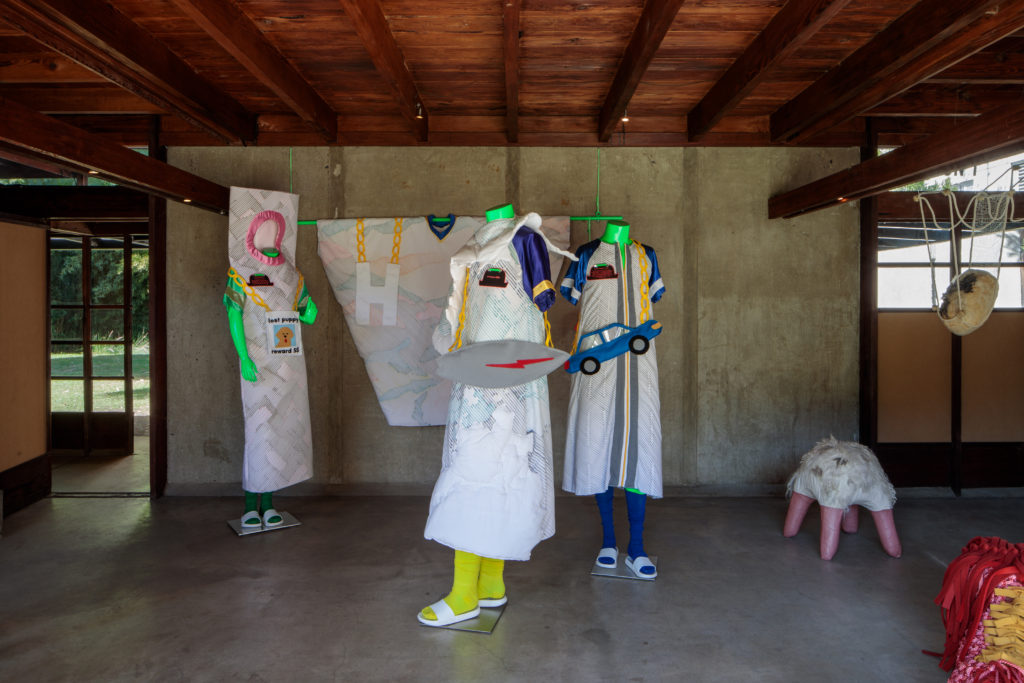
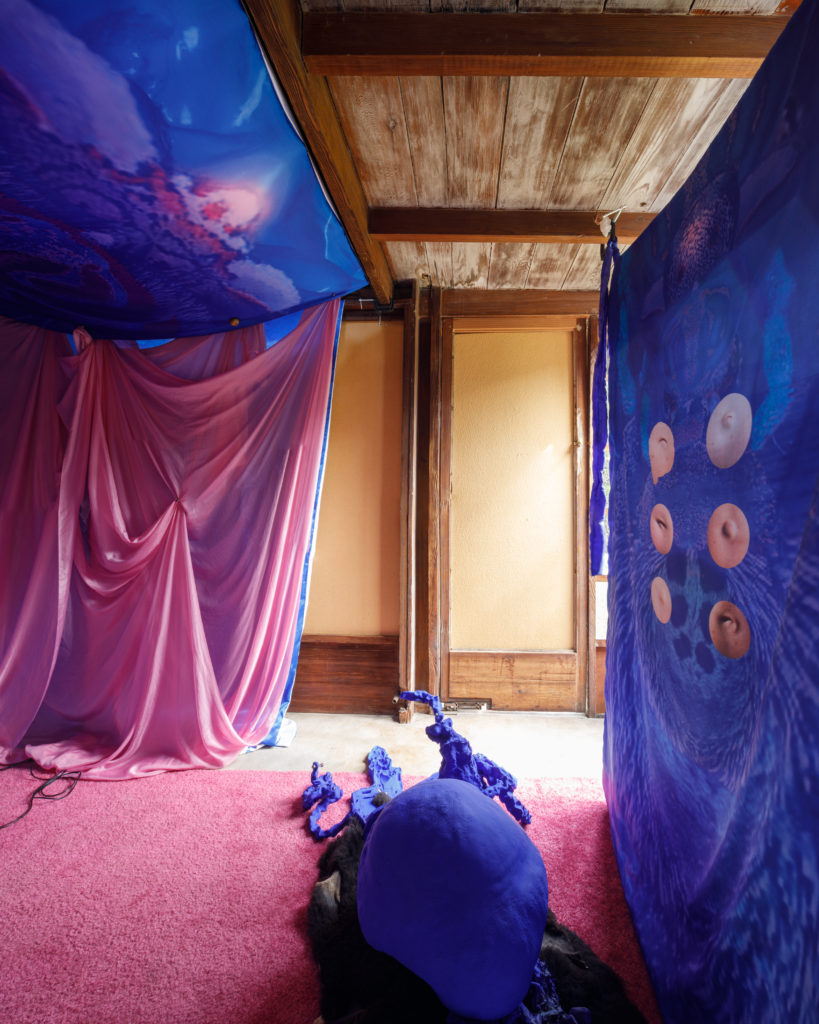
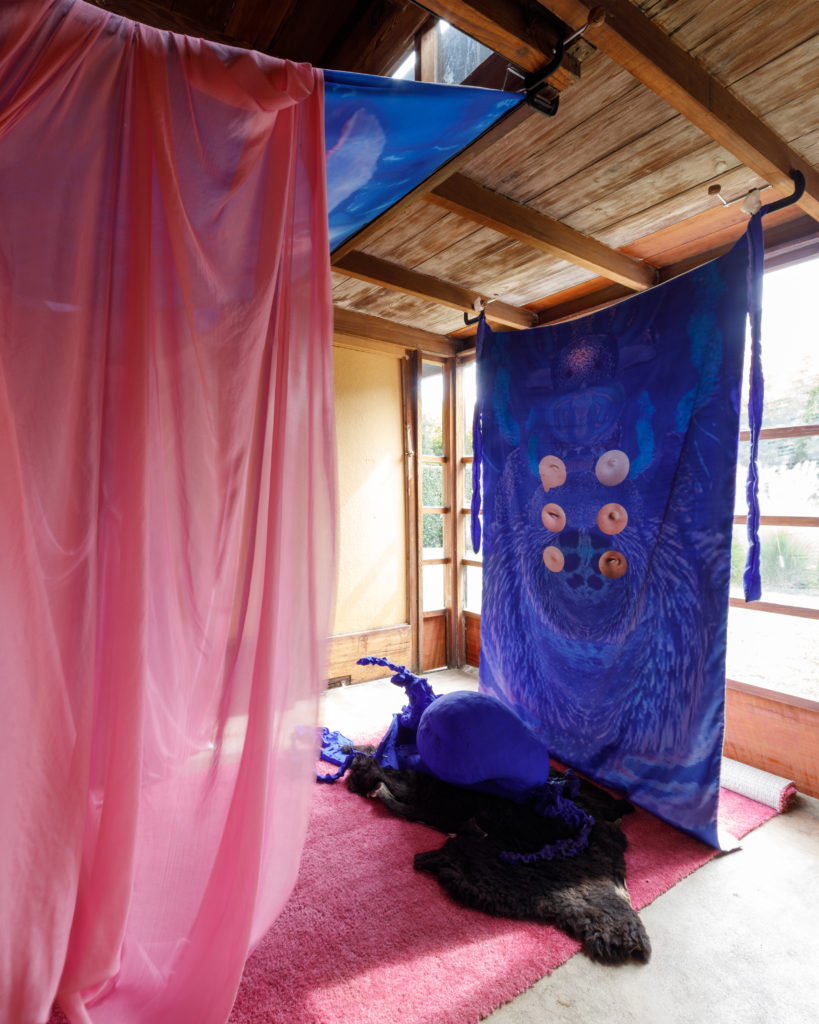
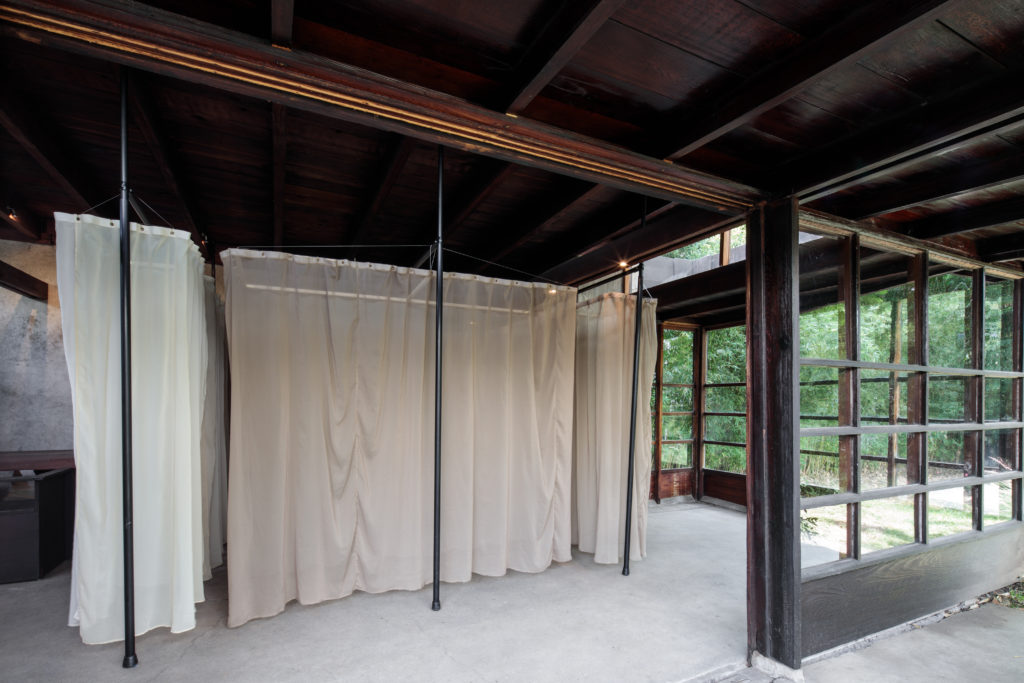
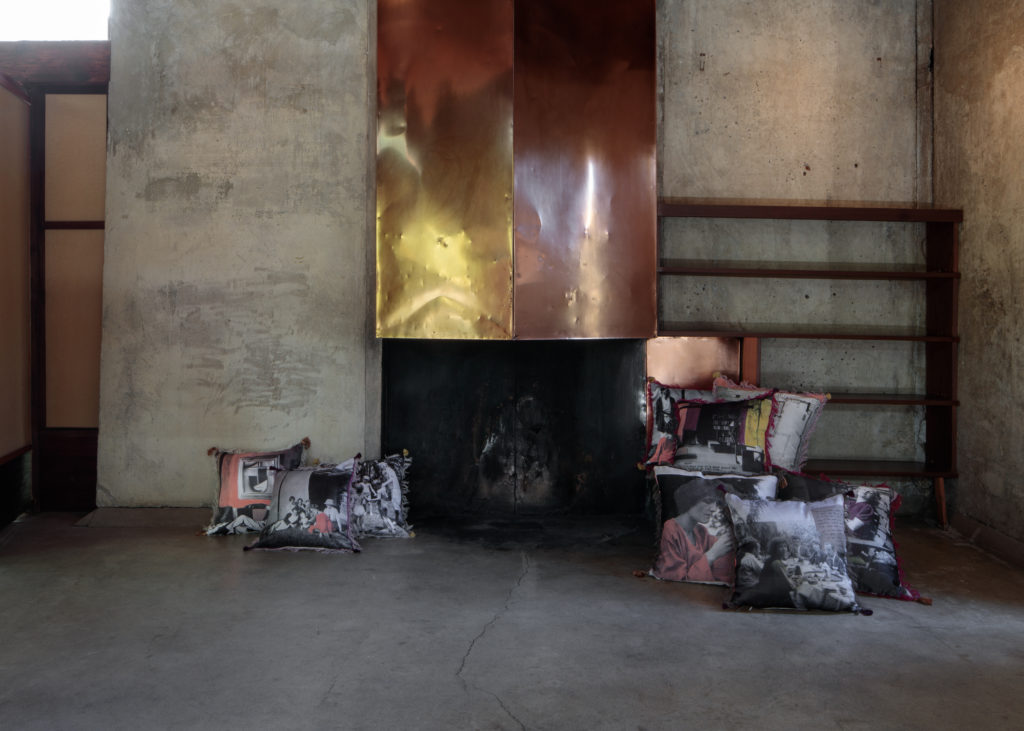
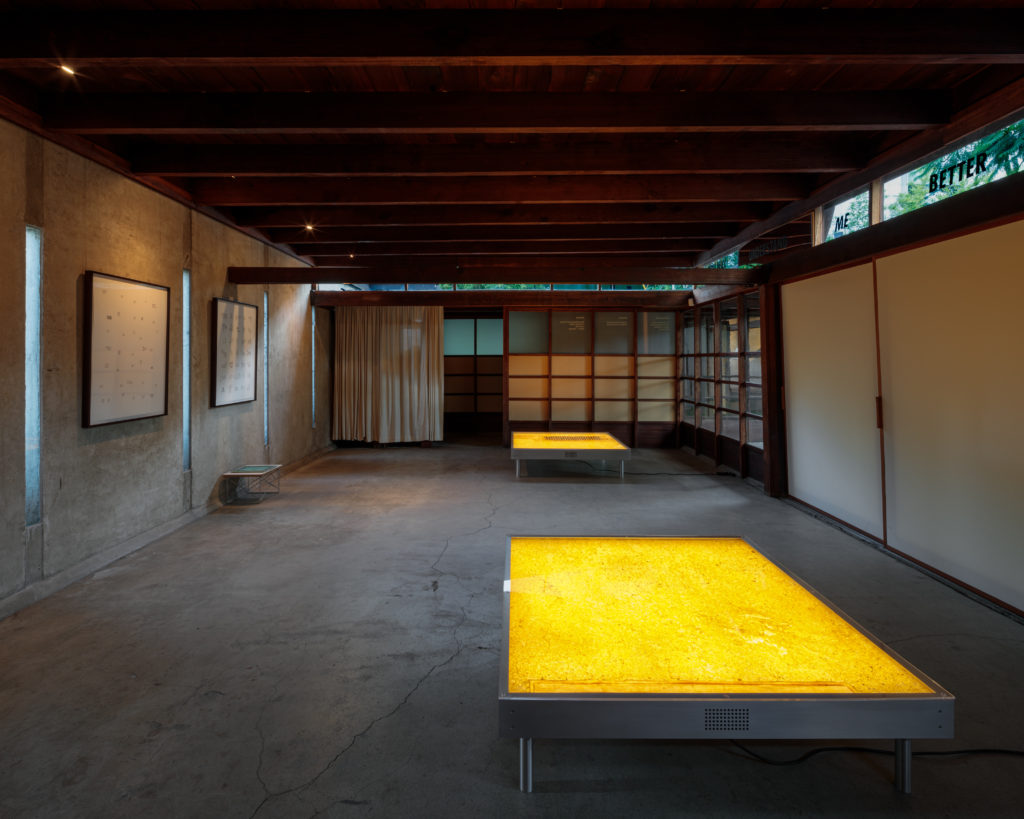
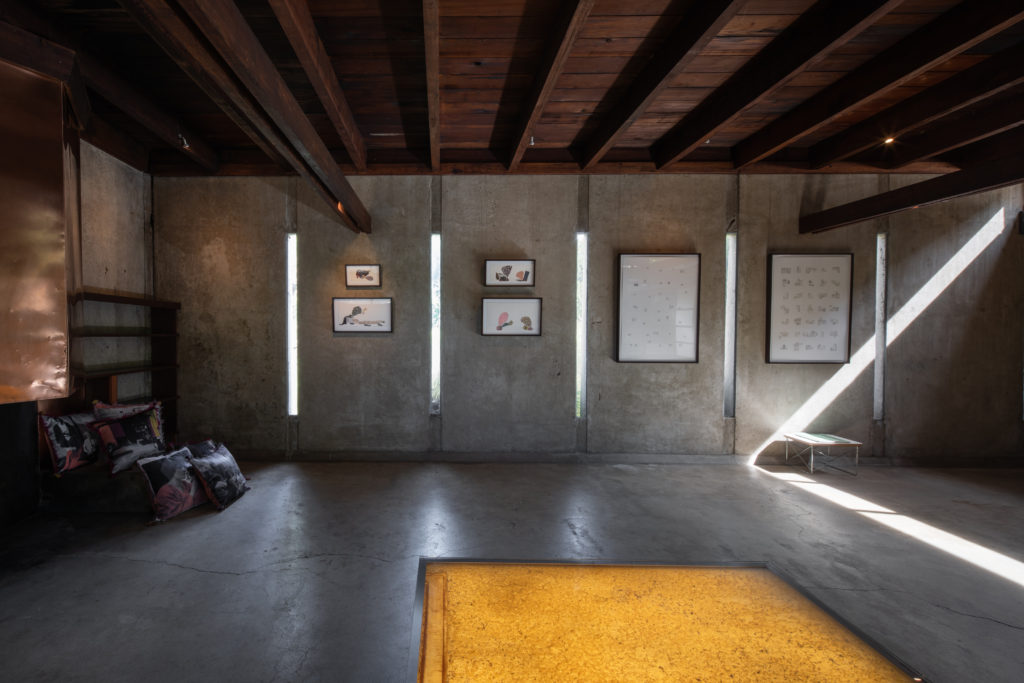
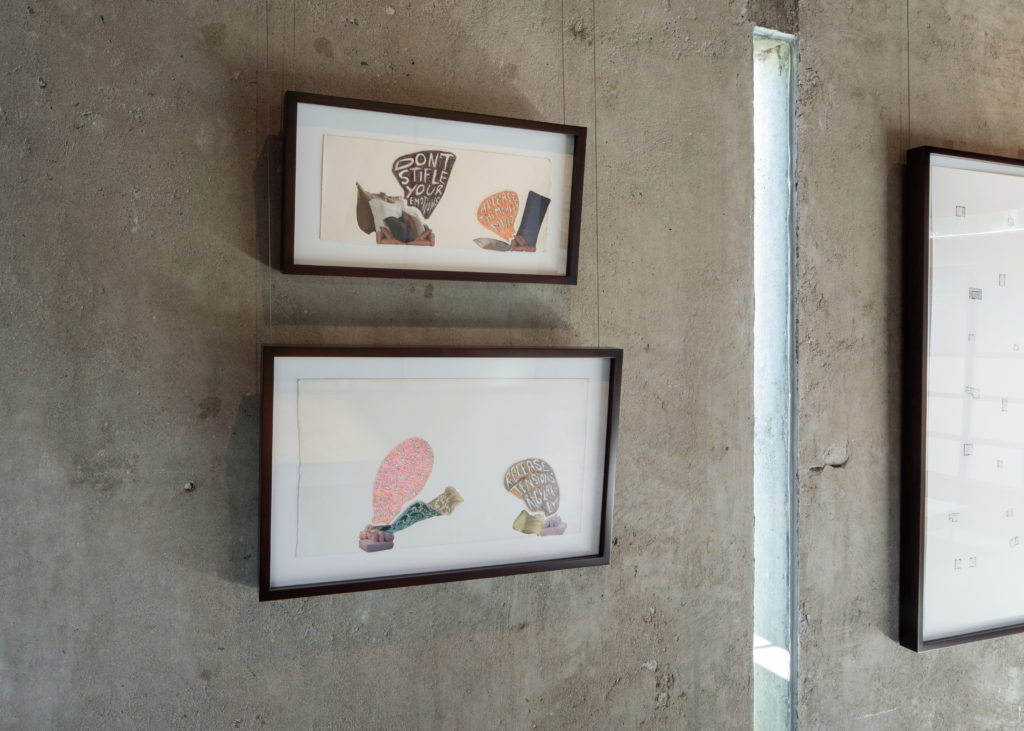
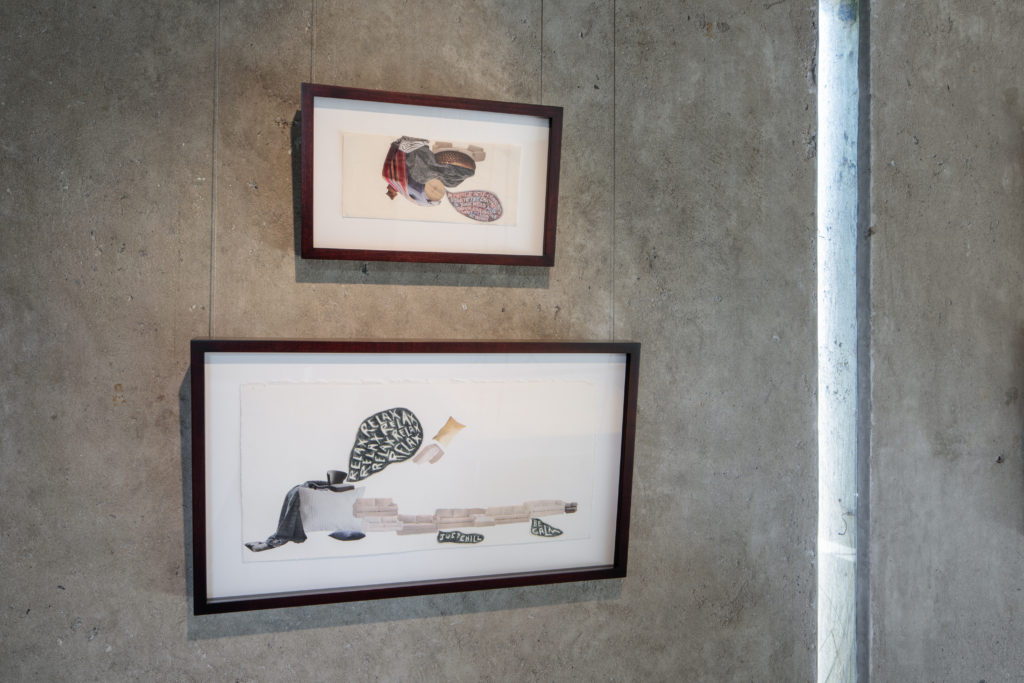
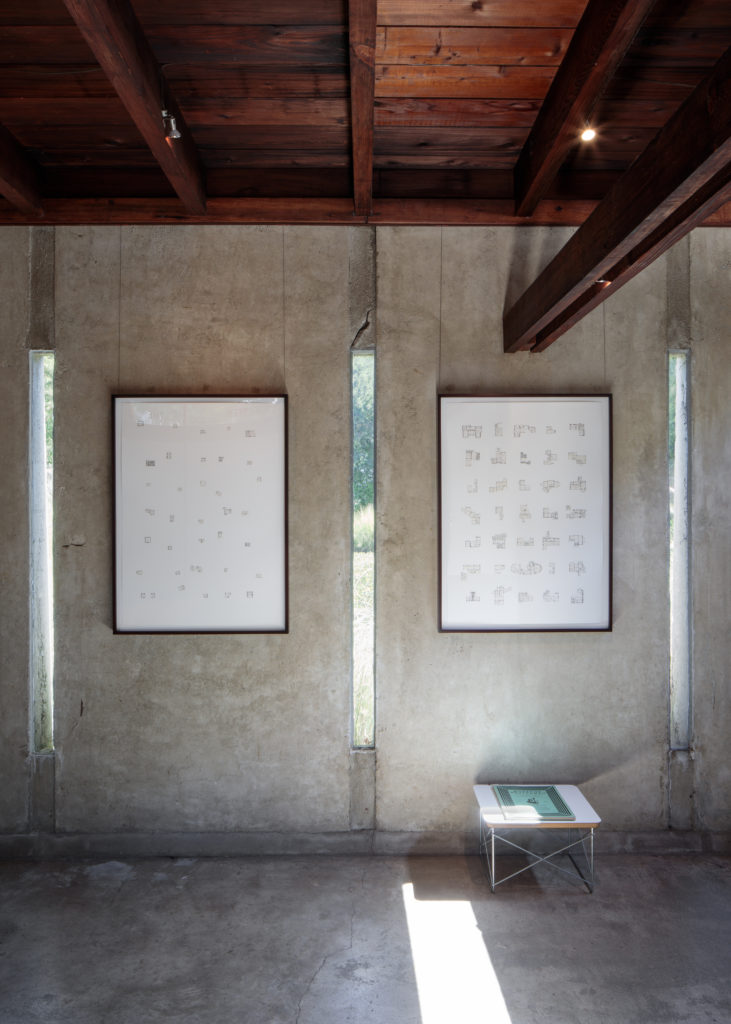
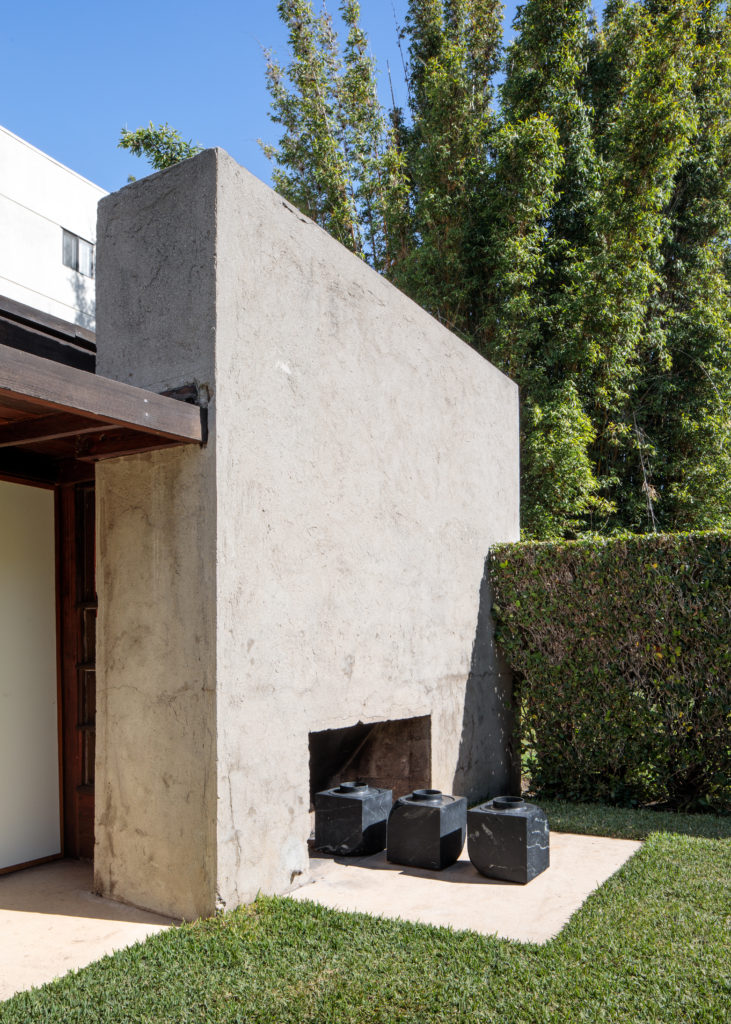
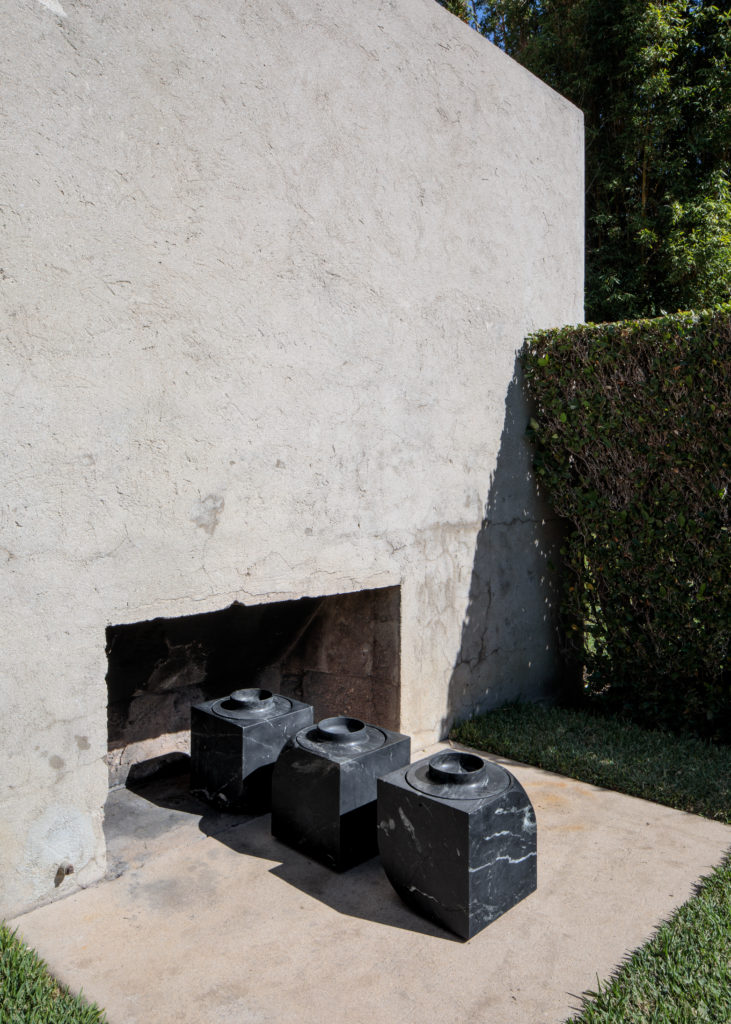
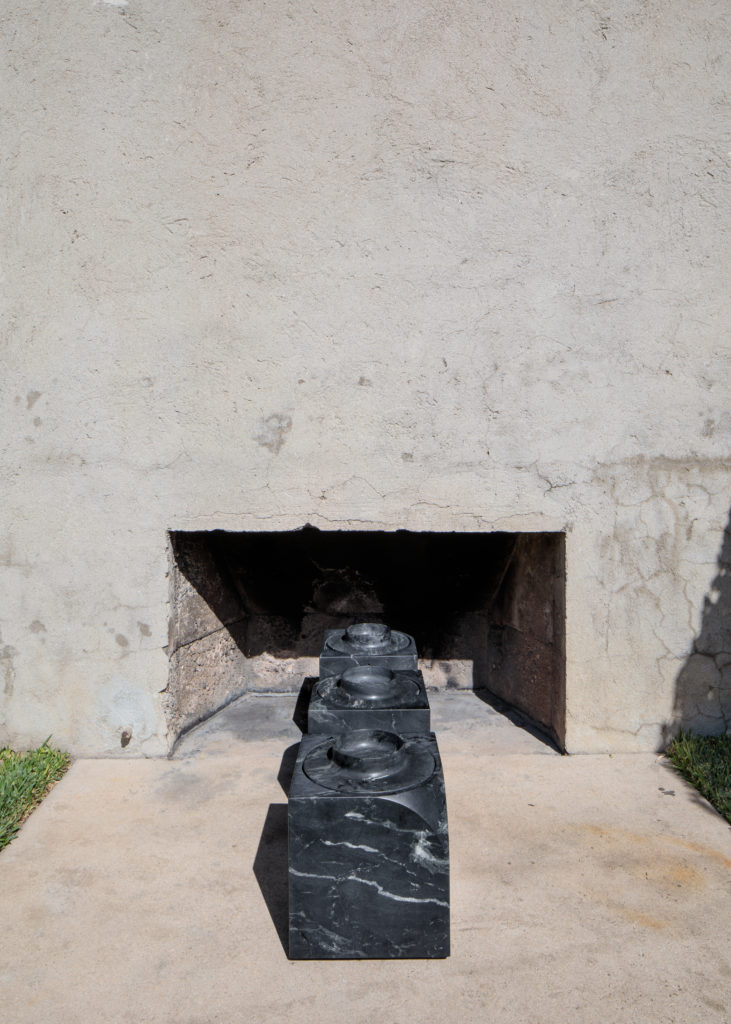
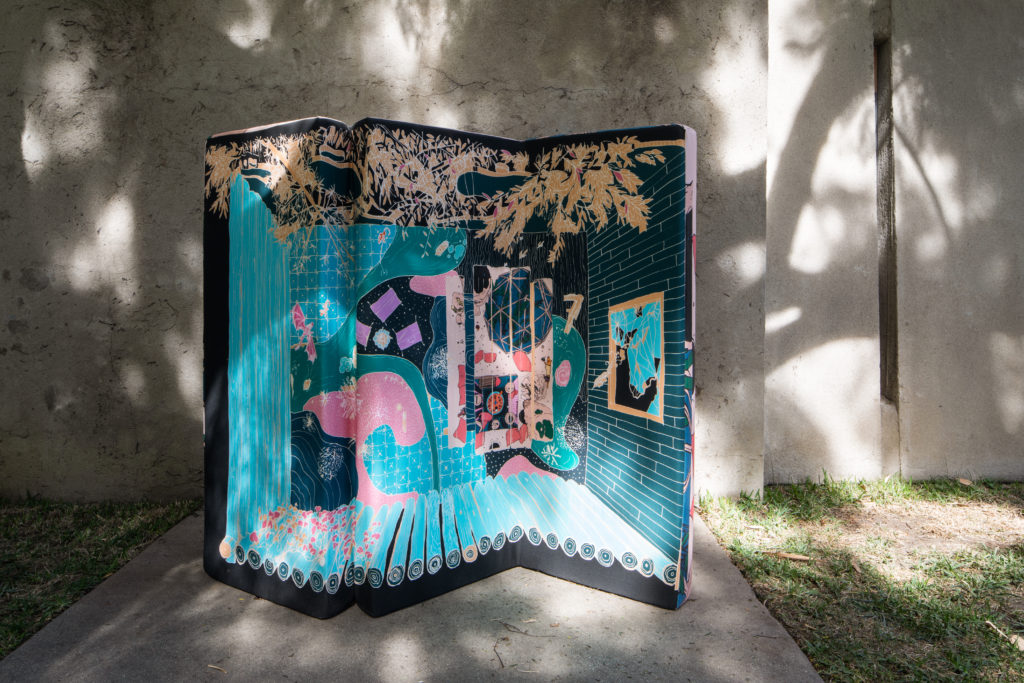
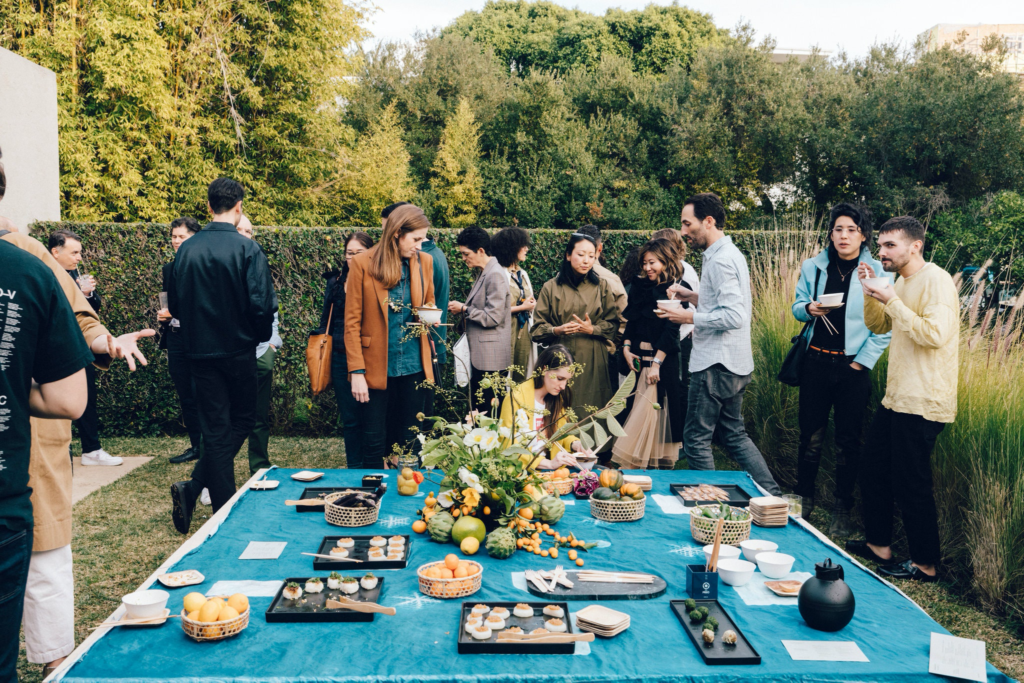
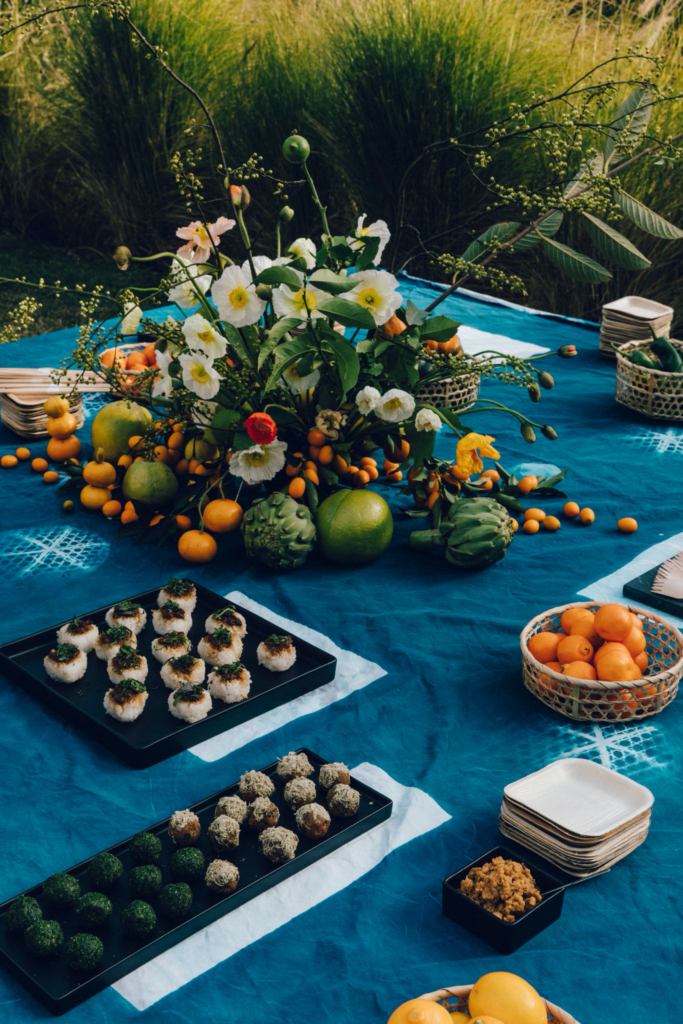
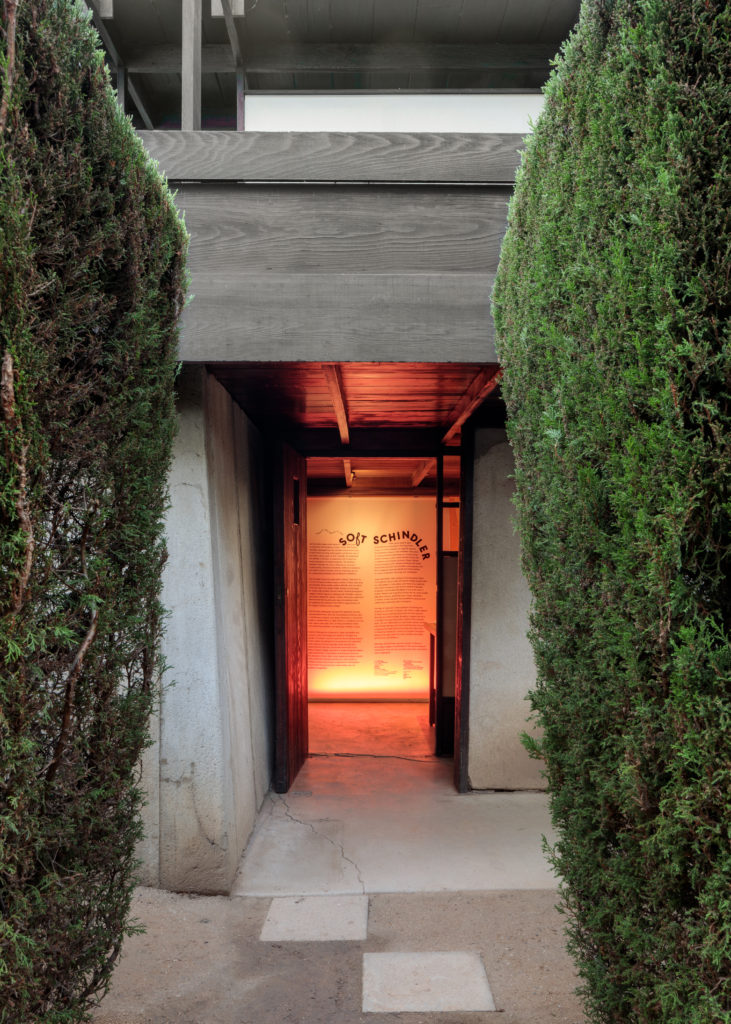
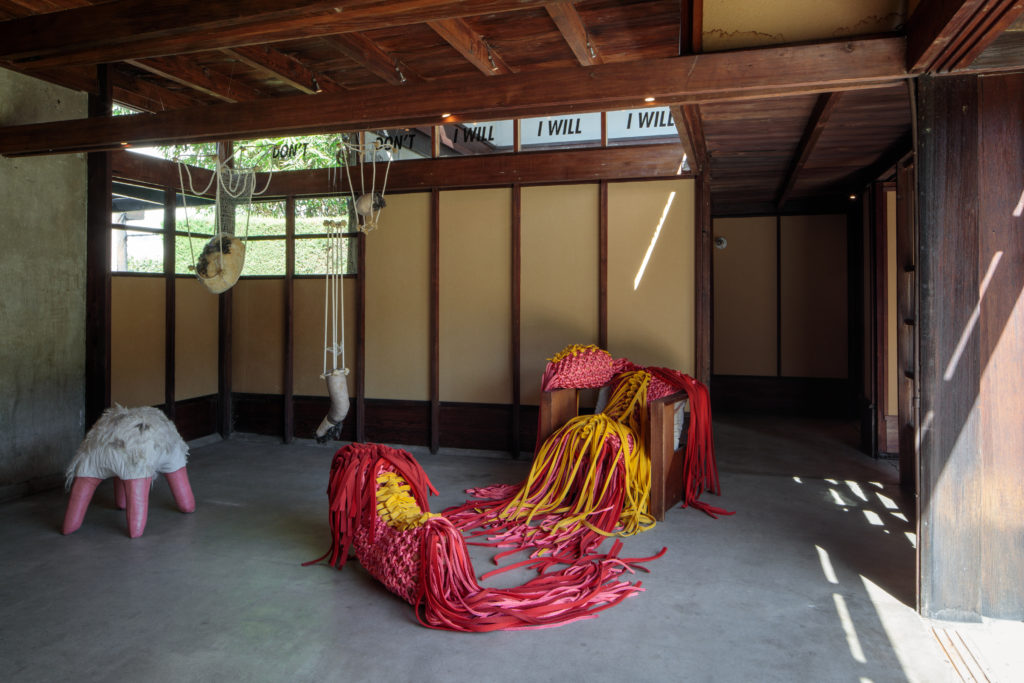
MAK Center for Art and Architecture at the Schindler House: October 12, 2019 – February 16, 2020

Curator: Mimi Zeiger

Participants: AGENdA agencia de arquitectura, Tanya Aguiñiga, Pedro Ignacio Alonso and Hugo Palmarola, Laurel Consuelo Broughton—WELCOMEPROJECTS, Design, Bitches, Sonja Gerdes, Bettina Hubby, Alice Lang, Leong Leong, Jorge Otero-Pailos, Anna Puigjaner—MAIO, Bryony Roberts

Graphic design: still room studio
Catalog: PIN-UP
Catalog contributors:
Leslie Dick
Susan Orlean
Photography: Taiyo Watanabe
Catalog photography: Ian Markell
Exhibition design: Andrea Dietz
Exhibition fabrication/installation: Lauren Gideonse
Coordination and installation: Bedros Yeretzian
Tension bar design: alm project Read More …

Architecture has always had the power to become one of the utmost representations of an epoch: it materially manifests the spirit of its time. As we have edited, produced, and revisited our collection of magazines, events, podcasts, projects, and editorials, the role that criticism and theory have is indispensable for the confirmation of an architecture culture. Now, we are inviting others to join us and add their ideas, curiosities, and sketches. The Criticism Series asks architecture and thinkers to respond to a single question: What is the role of criticism and theory in architecture today? Read More …

The third edition of Chicago Architecture Biennial (CAB) opened its doors one day before Chicago school children gathered in Mies van der Rohe’s Federal Plaza as part of the Global Climate Strike. It begins during a month when President Trump feuded with California over housing policy and the state’s homelessness crisis, and at a time when shootings in Chicago’s West and South sides are reported every few days and the fires in Brazil continue to burn.

It was a week, like many weeks in recent memory, which underscored the themes of the biennial curated by artistic director Yesomi Umolu, curator/educator Sepake Angiama and architect Paulo Tavares.

Although its lowercase title …and other such stories might suggest a more recumbent position, this biennial is teaming with anthropogenic urgencies: violence caused by structural racism, global housing inequities, and scars left by colonisation and resource extraction.

Read More …

IT’S BEEN NEARLY TWO DECADES since Diébédo Francis Kéré designed his first piece of architecture: a clay-brick primary school in his home village of Gando, Burkina Faso, constructed by residents. This past spring, the Berlin-based architect produced a soaring suite of temporary pavilions at Coachella, the desert music festival that attracts influencers and their followers with a gravitational force.

Comparing these buildings, one notes that oppositions quickly stack up: third world versus first, local versus global, necessity versus luxury. The distance between these projects—geographic, temporal, economic—raises questions old and new about architecture’s ability to authentically operate as a modest response to a set of distinct requirements, particularly while functioning under the experience economy’s demands, with its effervescent cocktail of spectacle and capital.

Read More …

It’s midday in northern New Mexico, and the guided tour starts with a request (nay command) to stay on the sandy path. We’ve come to visit a cave: in 1994, local cave digger Ra Paulette (he shirks the term artist) began burrowing into a sandstone cliff to create the intricate interiors of Windows on the Earth, a sanctuary-like hideaway. Dug by hand over the course of two years, it comprises a sequence of tall and narrow vaults converging on a central space, where a throne-like seat is set high up in the wall; as you move through the cave, eccentric ornamentation — organic whorls, fossil-like seashells, shrine alcoves — punctuates implausibly smooth surfaces. It’s a wonder of man shaping the landscape, but first, we’ve stopped for a New Age biology lesson.

Read More …

Construction is abundant across Los Angeles right now, and amid the backhoes and the cranes we are seeing signs of fresh takes on expressive architecture: glass domes, geometric facades, soaring arches. Charges of elitism swirl around big-time architecture, but many of the new designs opening this season promise to advance cultural and social life in L.A., whether with a riverside park that filters rainwater or a campus crafted to uplift the lives of LGBTQ homeless youth.

Read More …

The celebrated multidisciplinary artist Sterling Ruby has long been concerned with freedom. With its degradation, its expression and its preservation – as well as its literal and conceptual importance in the identity of his home and homeland, America. Having grown up in Baltimore and rural Pennsylvania, and then studied in both Chicago and LA, Ruby has drawn from the contours of these variegated US landscapes, compiling a body of work that is equally aesthetically and texturally diverse. What all these environments have in common, though, is an epic scale – rural, urban, industrial – an element that has governed his practice since the start.

Read More …

If there was any lingering doubt that Brutalism — the architectural style derided for everything the name implies — was back in fashion, the “Atlas of Brutalist Architecture” quashes it with a monumental thump. At 560 pages representing some 878 works of architecture in over 100 countries, the outsize volume is part reference tool, part coffee table book, and certainly part of an ongoing design trend favoring big, big books.

Read More …

Art institutions often crow about their roles as bastions of progressive thought — places robust enough to tackle tough cultural questions in the gallery. Yet the 2018 firings of several prominent curators and directors exposed the precarity of women who speak out and through their exhibitions and programs, provoke conversations about race, gender, privilege, and power. As we move into 2019, it seems more important than ever to interrogate the dubious narrative of the museum as a safe space, but also to hold out hope that it can be a place of resistance. Read More …