Mimi Zeiger

Critic, editor, curator and instigator.

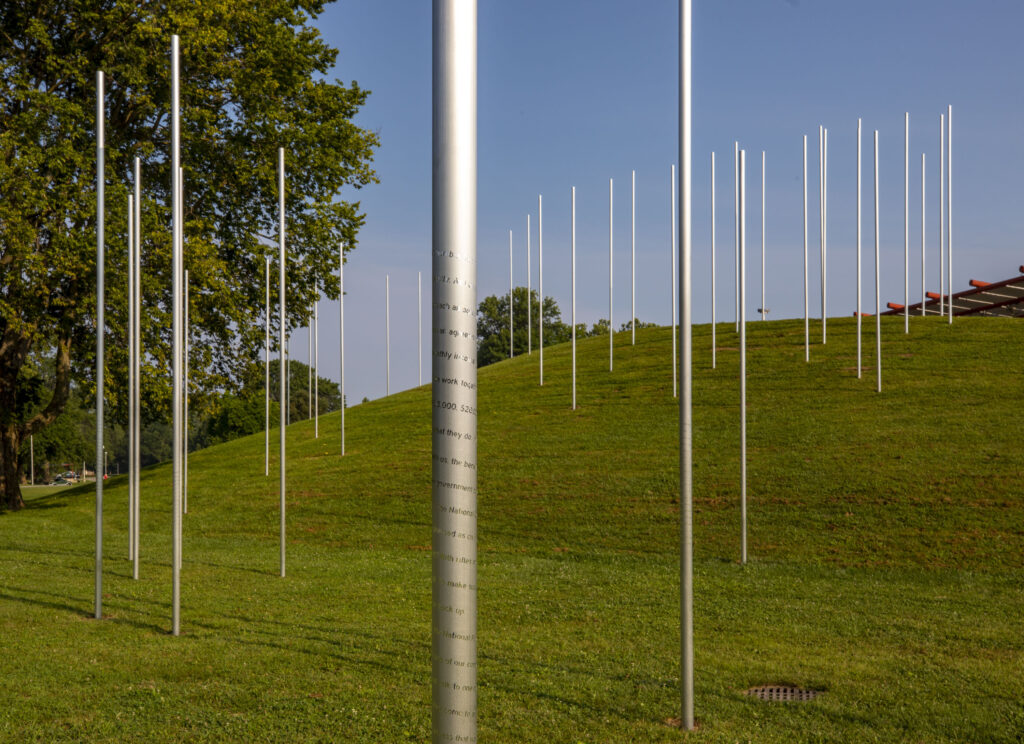
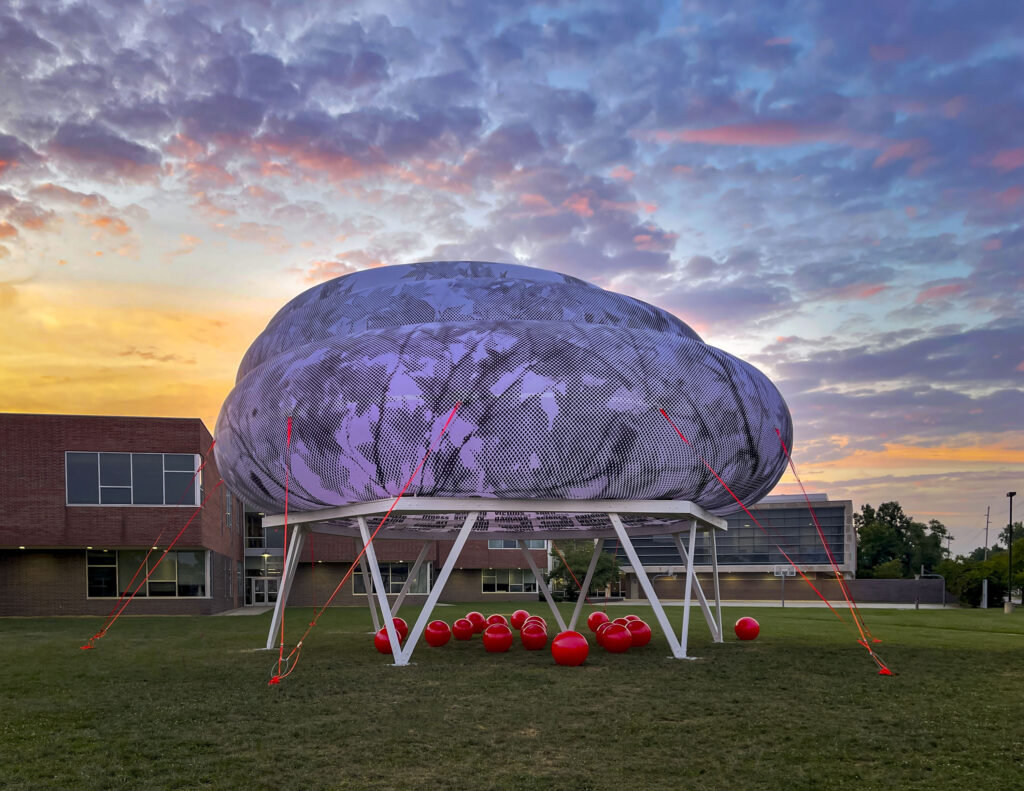
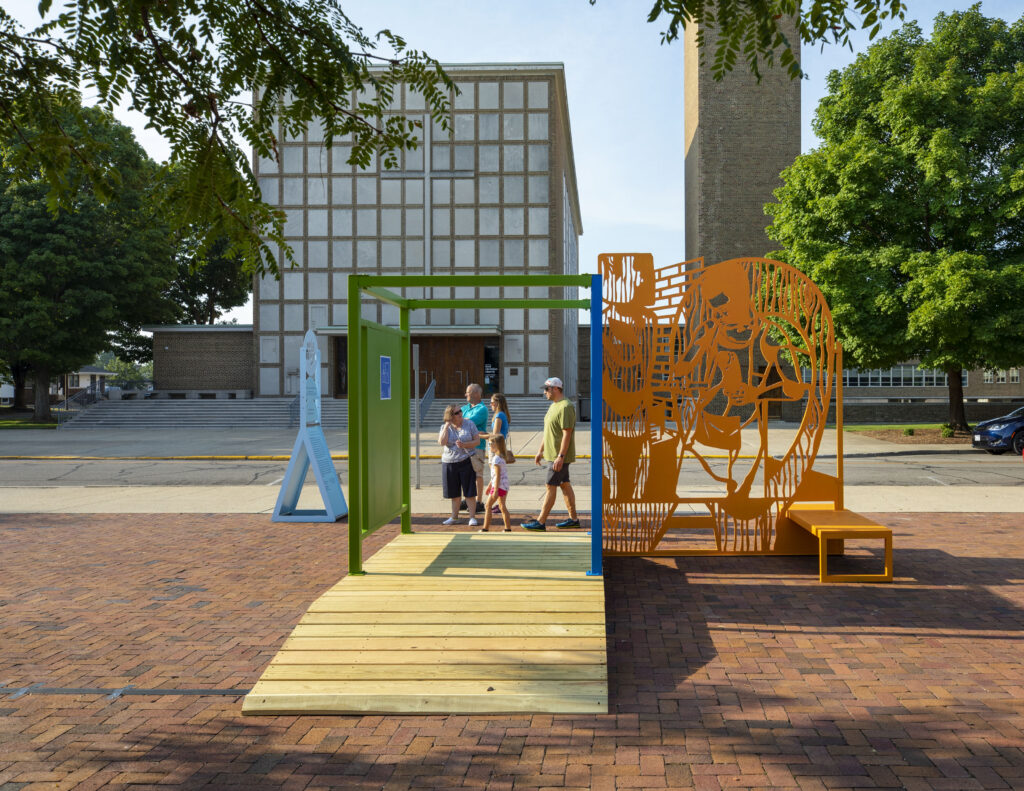
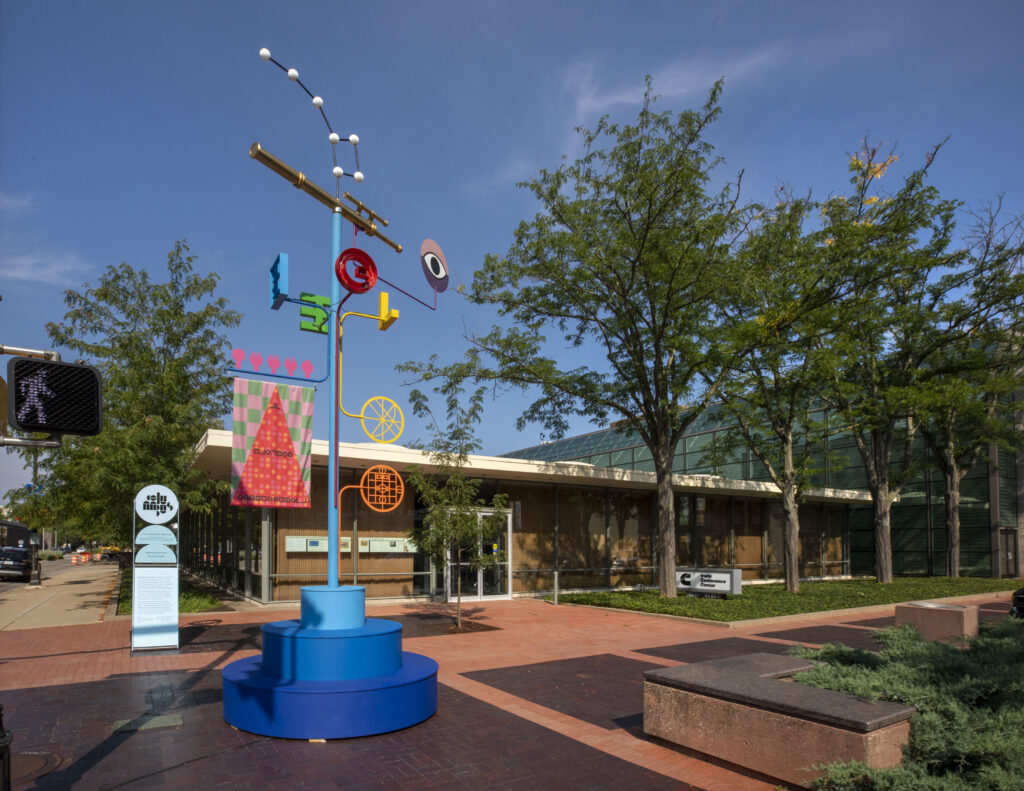
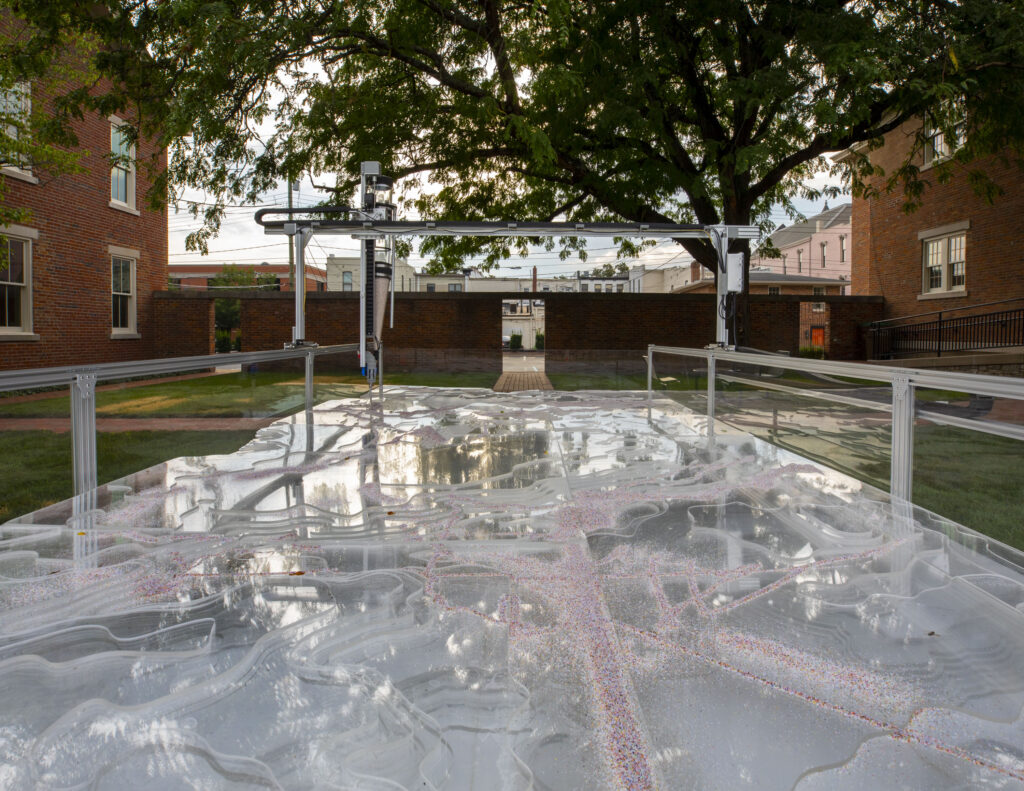
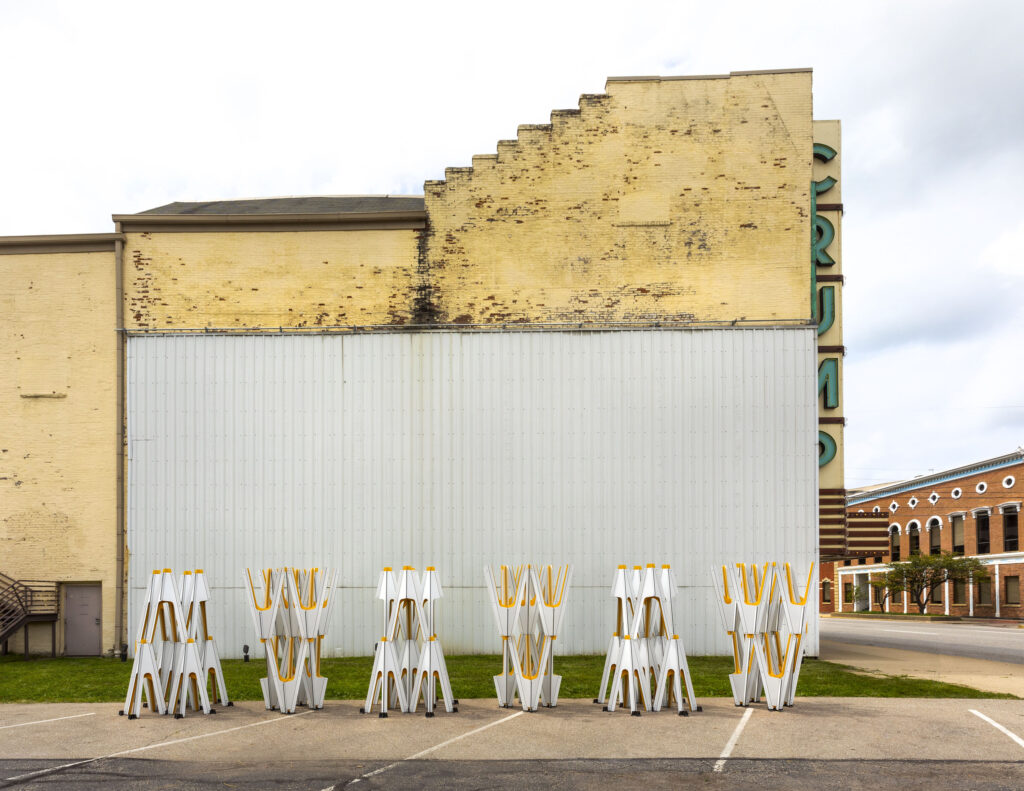
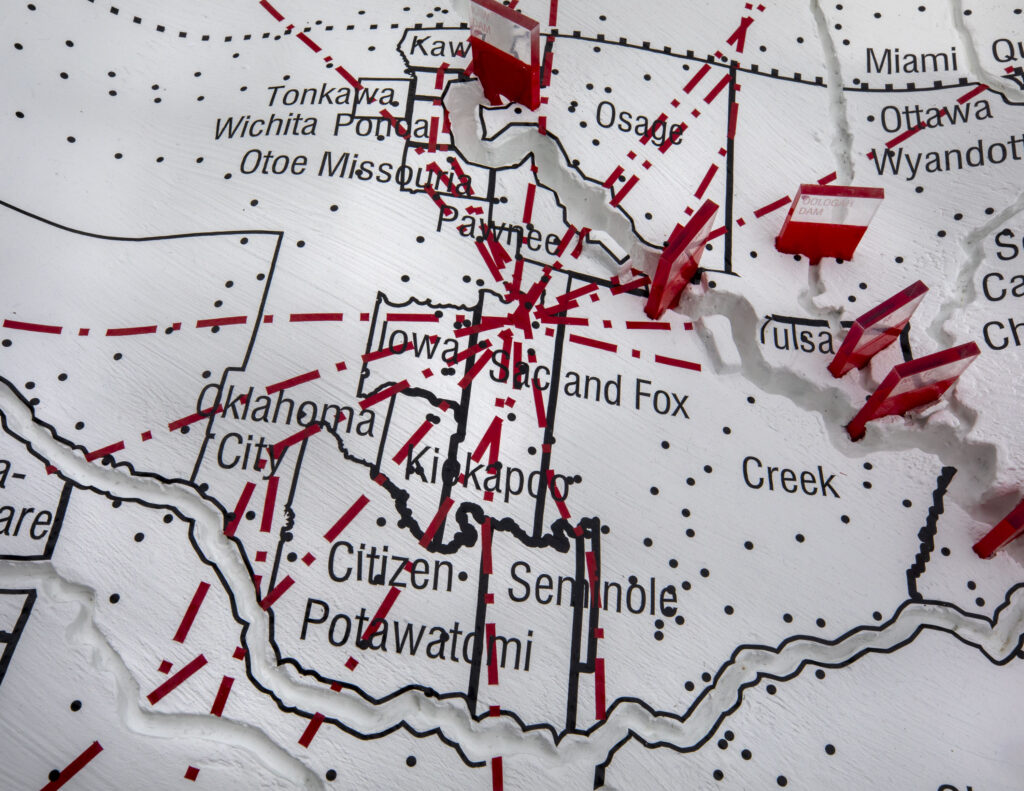
For the Fall 2021 Exhibition, co-curators Iker Gil and Mimi Zeiger have invited exhibition participants to create site-specific, future-oriented installations, which will be developed over the coming year in response to the theme: New Middles:From Main Street to Megalopolis, What is the Future of the Middle City?

This 2020–2021 cycle of programming explores the future of the center of the United States and the regions connected by the Mississippi Watershed. New Middles speculates on the heartland, an ecology stretching beyond political borders—from North to South—from the Canadian Border to the Gulf, and from East to West—from Appalachia to the plains. Embracing a long timeline of cities past, present, and future, New Middles builds upon Columbus’ legacy as a laboratory for design as civic investment. In a moment when we most need reflection, creativity, and innovation to envision new ways of being, New Middlesconsiders Columbus a place to destabilize assumptions, and imagine new architectures and landscapes as a way to positively move our cities forward.
Read More …

What is the aesthetic of nothing? Not in terms of a meditation on minimalism, or the luxury of pared-down colour palettes and clean lines, but nothing itself. How do you design with the fewest possible resources for those who have so little and need so much?

This question rumbles in my head as I get off the 134 Freeway and drive wide, San Fernando Valley boulevards lined with new condo buildings on my way to the Chandler Boulevard Bridge Home Village in North Hollywood – 39 white, red, blue, and yellow tiny homes for the unhoused on a sliver of land between a metro rail line and a busy street. It’s not much of a site, a stingy slice of previously undeveloped municipal property in a sprawling city, but to those who live there it is everything. And it is also nothing. Read More …

If you design a different type of medical school, will it produce a different type of doctor?

This question is at the heart of the Kaiser Permanente Bernard J. Tyson School of Medicine, which opened its doors in July 2020, smack in the middle of the pandemic. The 50 students in the inaugural class are, by default, part of an experiment that hopes to integrate an education that highlights well-being and holistic care, an emphasis on social justice, and a new vertical campus that embodies these approaches.

Read More …

La carretera que conduce a Palm Springs es una salida polvorienta y complicada de la autopista transcontinental 10. Un ejército de gigantescas turbinas eólicas a ambos lados de la State Route 111 en California domina el paisaje desértico, con sus hélices cosechando diligentemente energía para la red eléctrica. La grava y la arena hacen remolinos sobre el asfalto de la carretera que rodea la base desmoronada del monte San Jacinto. Ésta es la puerta de entrada (nada prometedora) al valle Coachella y su afamado centro turístico, y, como la señalización de la carretera anuncia, a “otras ciudades del desierto” con nombres que evocan al místico y árido Oeste: Cathedral City, Rancho Mirage, Indian Wells, Bombay Beach.

Read More …

It was a summer of outrage and pain. The weeks after the murder of George Floyd by police officer Derek Chauvin and the deaths of Breonna Taylor, Ahmaud Arbery, and too many other Black men and women, was a moment in the United States when veil that hung over the racism and white supremacy was ripped open and all the grief and anger tumbled out into the streets in mass protest. A history of oppression and a present heavy with generational burdens of inequity was laid bare. For Black and Indigenous, Latinx and Asian Americans, this is lived experience. For many white Americans, it was mirror held up to a country that is a democracy only to some.

Read More …

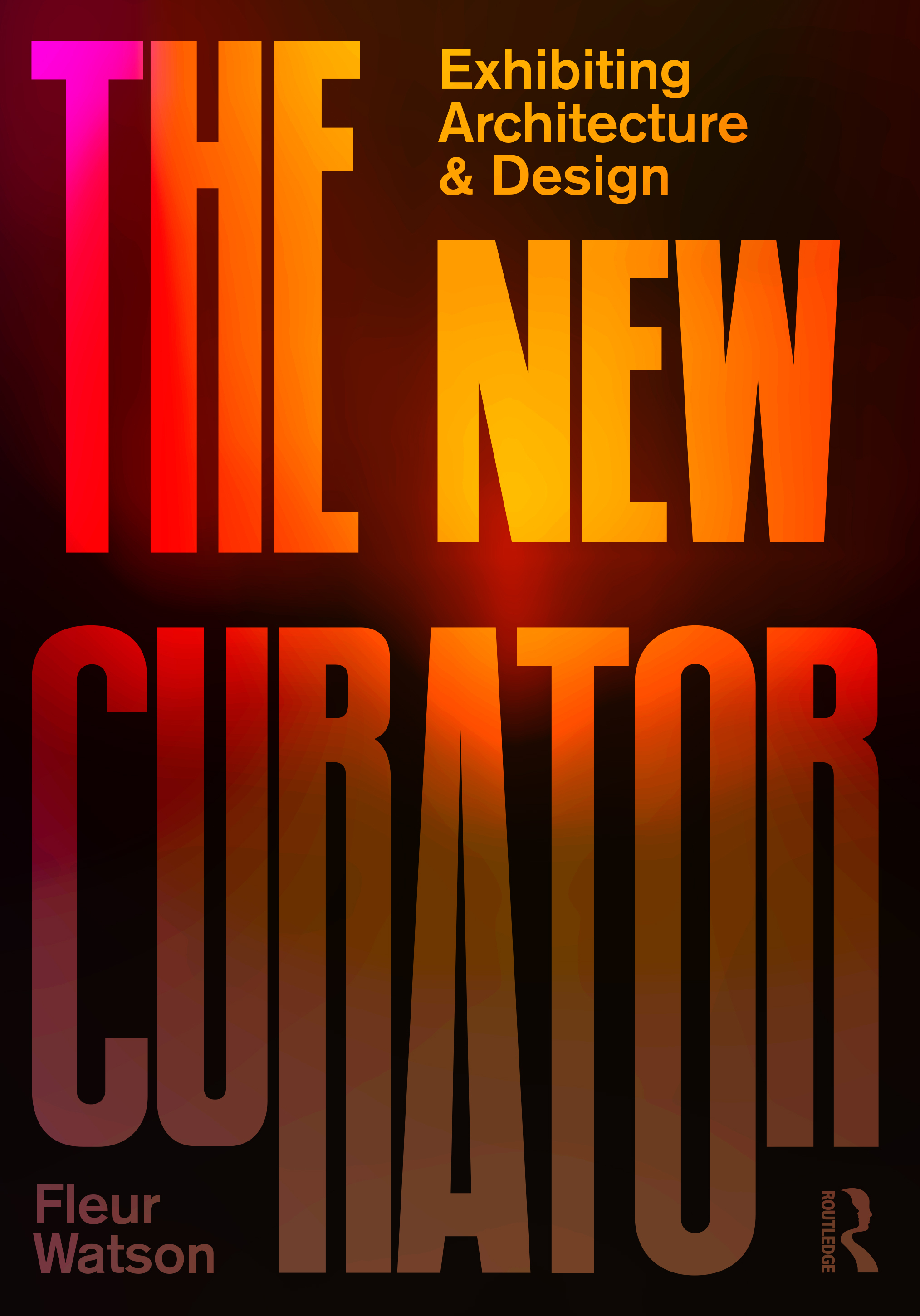
The New Curator: Exhibiting Architecture and Design examines the challenges inherent in exhibiting design ideas. Traditionally, exhibitions of architecture and design have predominantly focused on displaying finished outcomes or communicating a work through representation.

In this ground-breaking new book, Fleur Watson unveils the emergence of the ‘new curator’. Instead of exhibiting finished works or artefacts, the rise of ‘performative curation’ provides a space where experimental methods for encountering design ideas are being tested. Here, the role of the curator is not that of ‘custodian’ or ‘expert’ but with the intent to create a shared space of encounter with audiences.

Read More …

Billed as ‘the first NFT house in the world’, the Mars House is a tenuous entry into the architectural cannon. The project by Toronto-based digital artist Krista Kim is one of an increasing number of ‘non-fungible token’ works of art made to be bought, sold and collected online and authenticated via blockchain technology.

A home that will never be lived in, Kim’s NFT offering is a moody visualization rendered by Mateo Sanz Pedemonte using the video game software Unreal Engine. It depicts a structure sitting in an otherworldly landscape of supposedly Martian red mountains. We are given the barest hints at possible enclosure: a rectangle of digital glass impossibly transparent with no depth or reflection. The ghost façade bears the fingerprints of all vitreous abodes that came before – Mies van der Rohe, Philip Johnson, Pierre Koenig, etcetera. A thin, abstracted roof evokes Ed Ruscha’s Burning Gas Station (1965-66). The swimming pool is Hockney blue. The water ripples to a soundtrack composed by Smashing Pumpkins’ Jeff Schroeder.

Read More …

Las Vegas plays so much better on the page than in person. In concept, Vegas is an escape, a desert playground, but reality can never match the fantasy. Prose lubricates, distances actuality, and forms a glow around dubious experience in the same way that three miniatures of Southern Comfort loosen up a seatmate on the 45-minute flight from Burbank to McCarran International Airport. Writings arch towards hyperbole in an attempt to capture decades of spectacle that rise on the Strip, neon-trimmed, already pulsing with lurid symbology: spires, pyramids, Venetian canals. 

A text, even Learning from Las Vegas with its embrace of populist architecture through modalities of analytical abstraction, shields a reader from the perfume of weed, vomit and tropical air freshener in the back of an Uber. The actual experience of Vegas is an exercise in searching fervently for some kind of authenticity, some kind of fun, only to be frustrated, haunted and impoverished by the tawdry glee of nickel slots and an all-you-can-eat buffet.  

Read More …

What is the border? Line. Crossing. Wound. During the last four years—six if we count the run-up to the 2016 election—Donald Trump framed the US-Mexico border as a referendum on nationhood, with rhetoric so toxic and policies so brutal that other discourses, other lived experiences, were eclipsed by the shadow of the promised wall. And then on January 20, President Biden halted all work on Trump’s fortified fence while the new administration reviews construction contracts.

With that pause, which is neither truly benign nor pious, a temporary lightness allows us to see what has been wrought: new photos of partially built sections of the barrier in southern Arizona (commissioned by Insider magazine) show natural landscapes blasted and scarred. Yet it is in this lull that other outcomes seem, if not possible, then worth summoning. Two Sides of the Border: Reimagining the Region, recently published by Yale School of Architecture and Lars Müller Publishers, asks us to envision an alternative to the hardened US-Mexico boundary and its attendant violences, human and ecological.

Read More …