Mimi Zeiger

Critic, editor, curator and instigator.

From highly crafted residences to impactful cultural projects, this uniquely designed book—conceived as a double vinyl album—offers a detailed look at Skylab’s innovative work.

Skylab: The Nature of Buildings is the first monograph of the Portland, Oregon-based architecture and design studio. Founded by Jeff Kovel in 1999, Skylab has emerged as a leading creative force in the Pacific Northwest and North America. At the vanguard of innovative and sustainable design, the practice is known for a range of spectacular residences designed for leading creatives, as well as distinctive music venues, resorts, and other high-profile projects, including the N M Bodecker Foundation, Nike’s Serena Williams Building, and the Columbia Building. Presenting more than two decades of work, the story of Skylab is told by several influential contributors through reflective essays, interviews, conversations, and anecdotes, as well as extensive project photography and illustrations that detail the firm’s design process.
Read More …

Much has been said about how we live in a time of acceleration. We strive for fast and interconnected. And yet, a considerable body of discourse takes the counter position, arguing for rest, care, and immobility. In her 2019 book How to Do Nothing, Jenny Odell urges us to turn away from the churn, writing, “Our very idea of productivity is premised on the idea of producing something new, whereas we do not tend to see maintenance and care as productive in the same way.”

Architecture, too, is caught in the thrall. Although buildings take time, we’re junkies for novelty. Museumbuildings are particular eye candy. Supposed freedoms of art and culture push desires for formal inventiveness. But what would it mean to construct a museum in slow motion?
Read More …

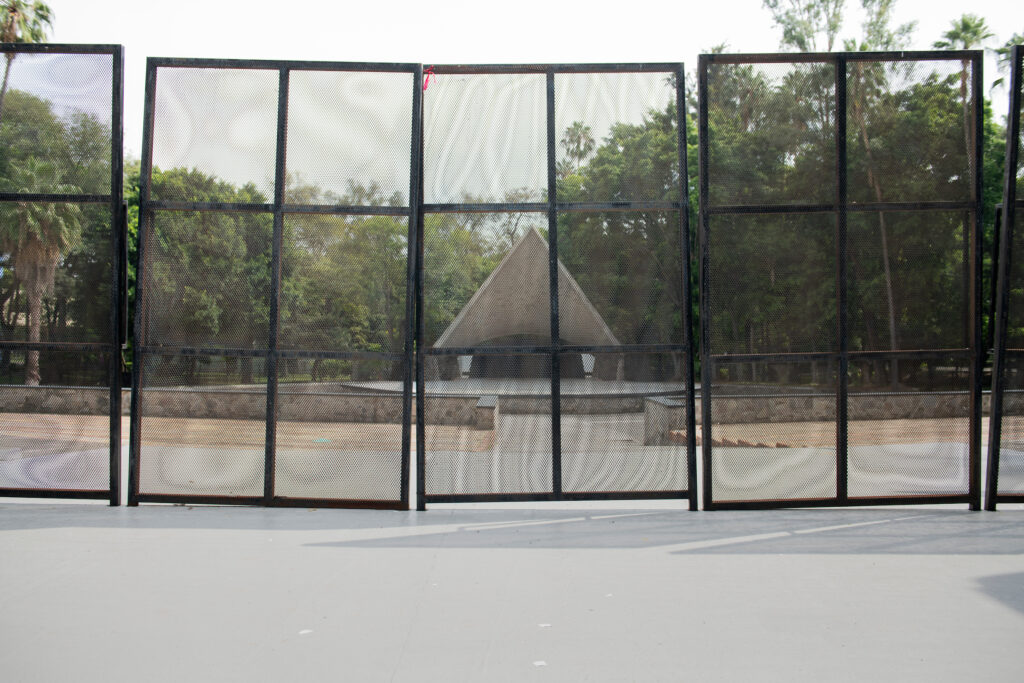
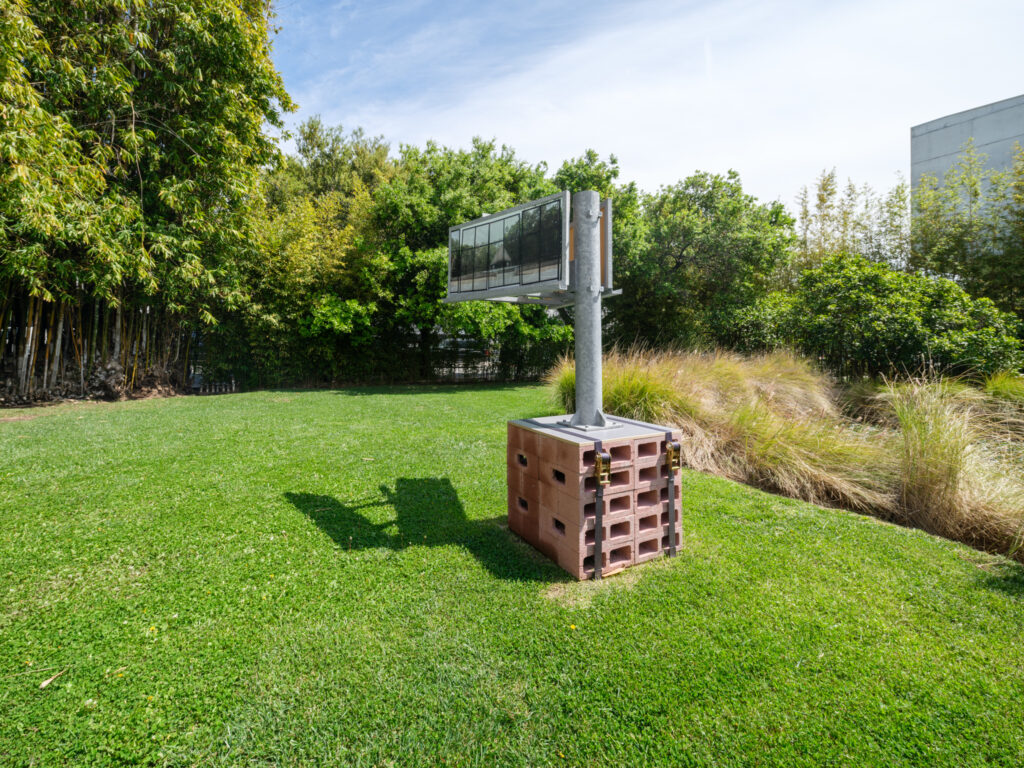
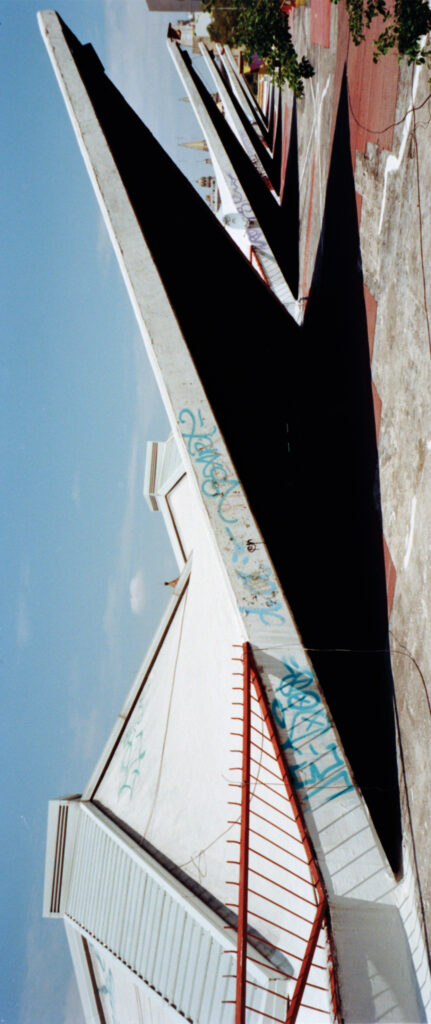
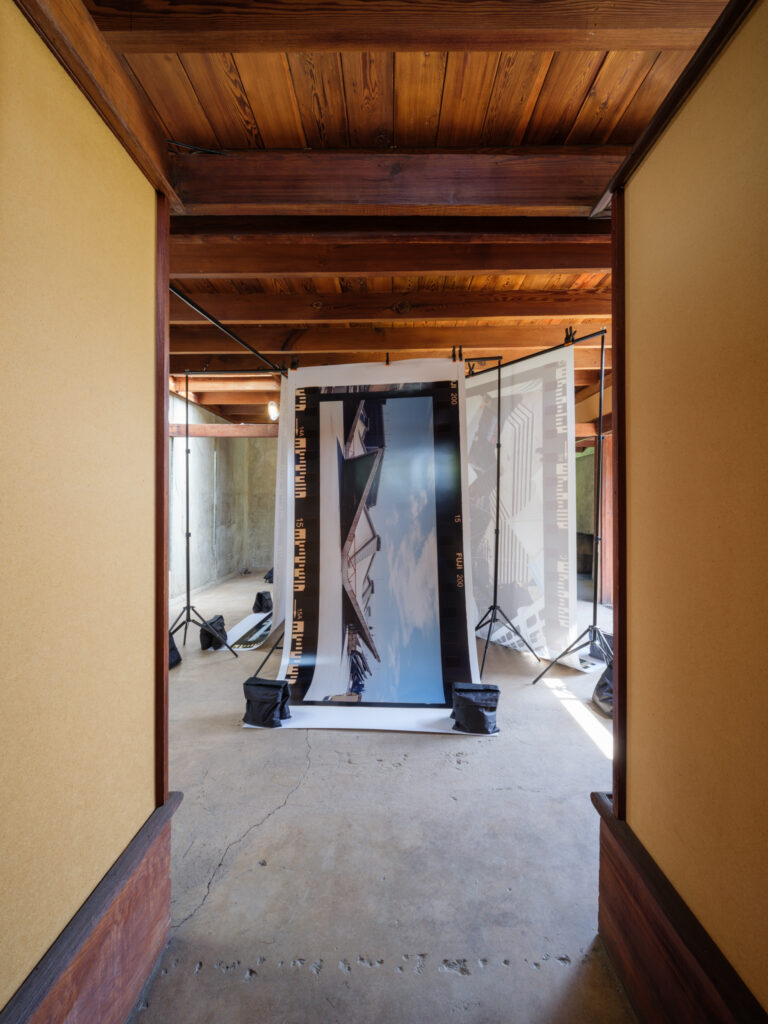
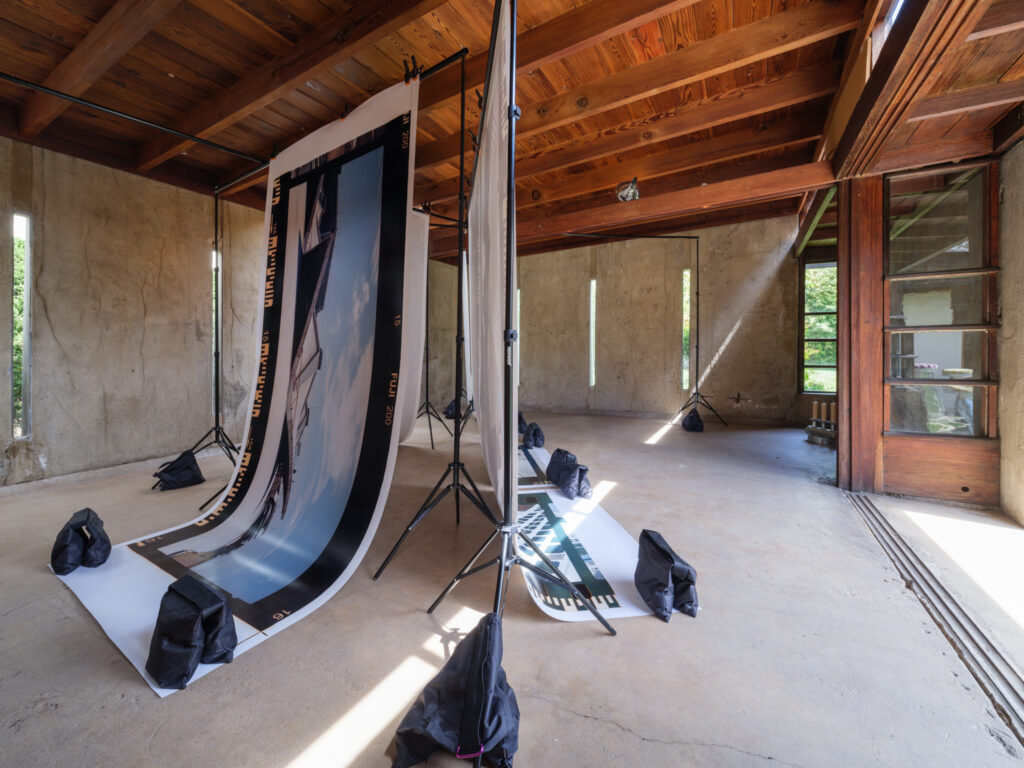
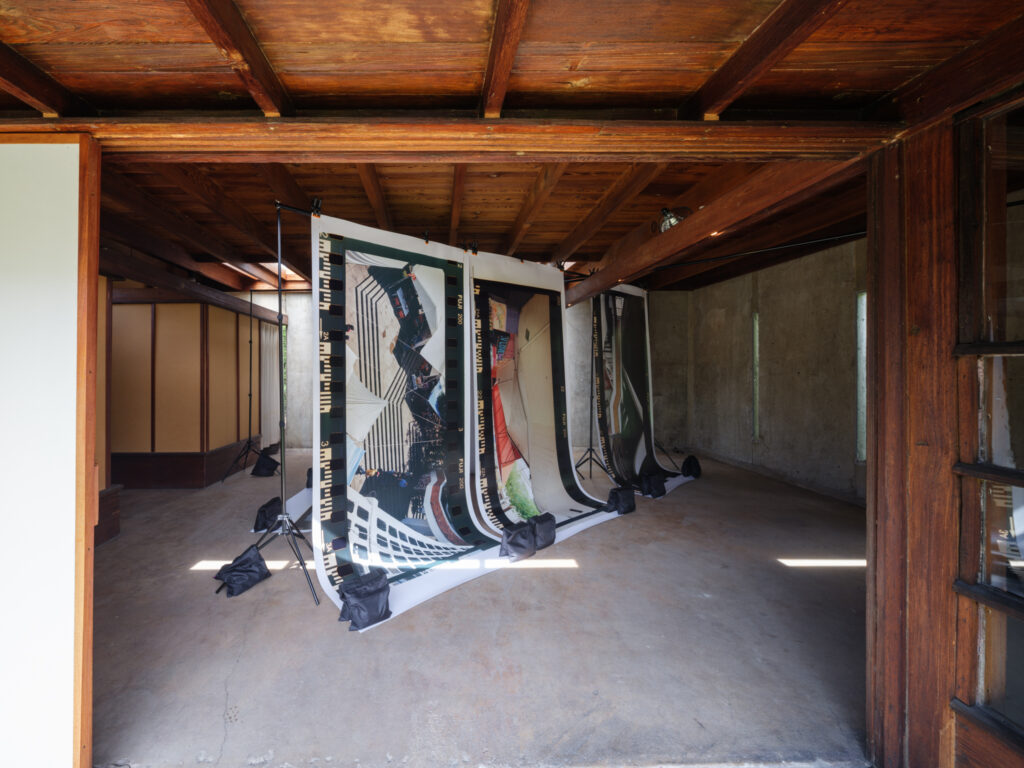
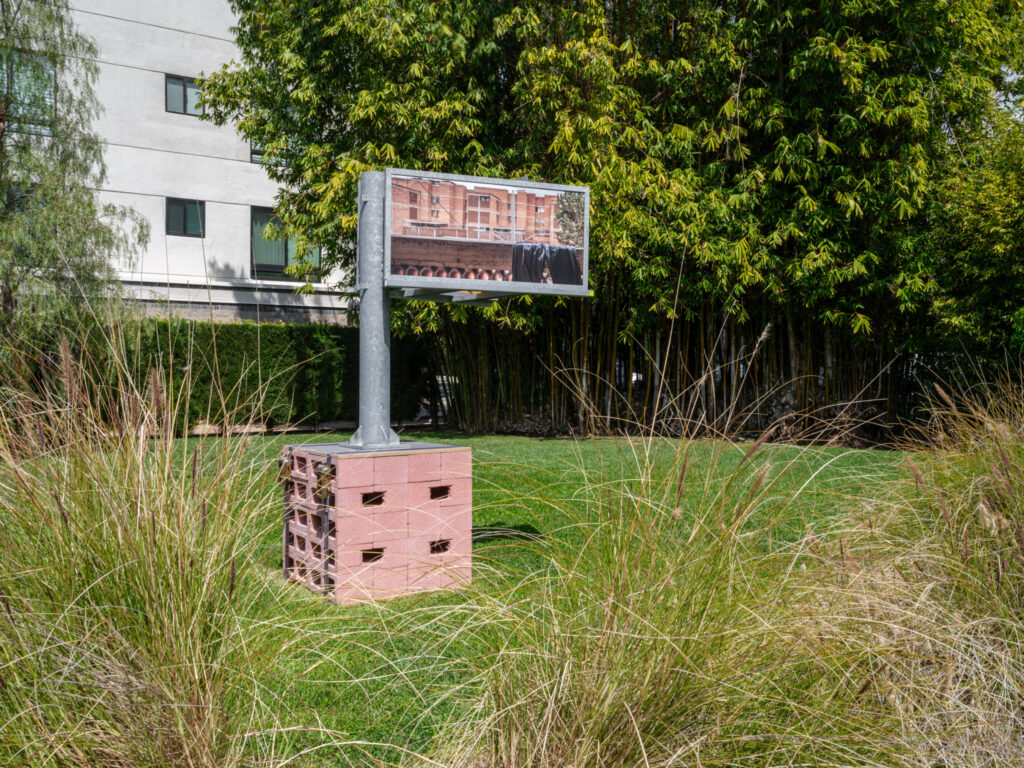
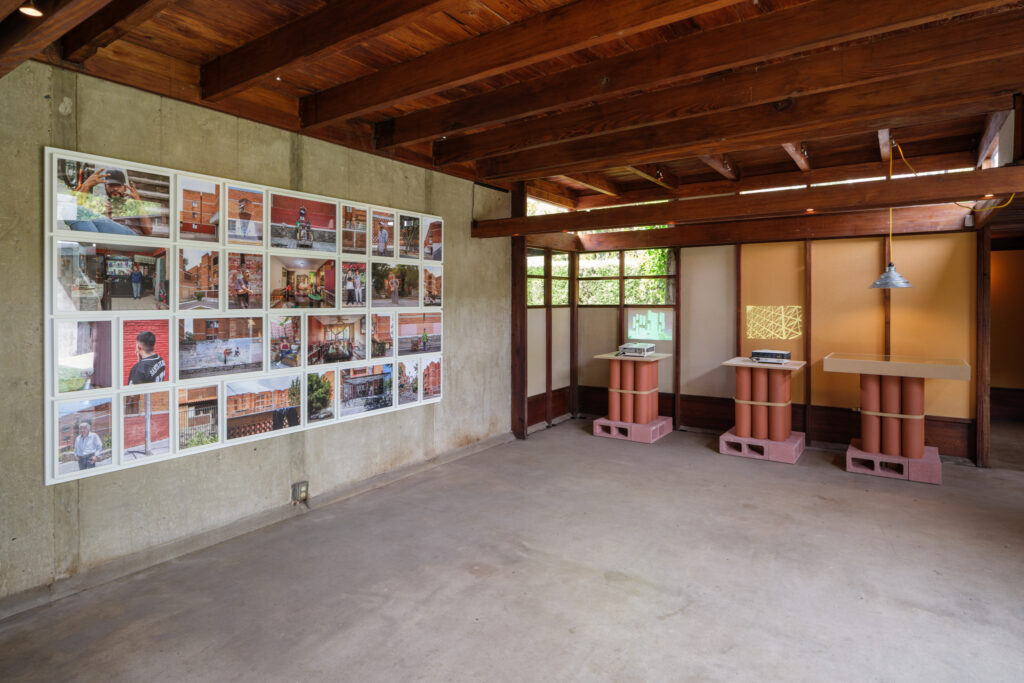
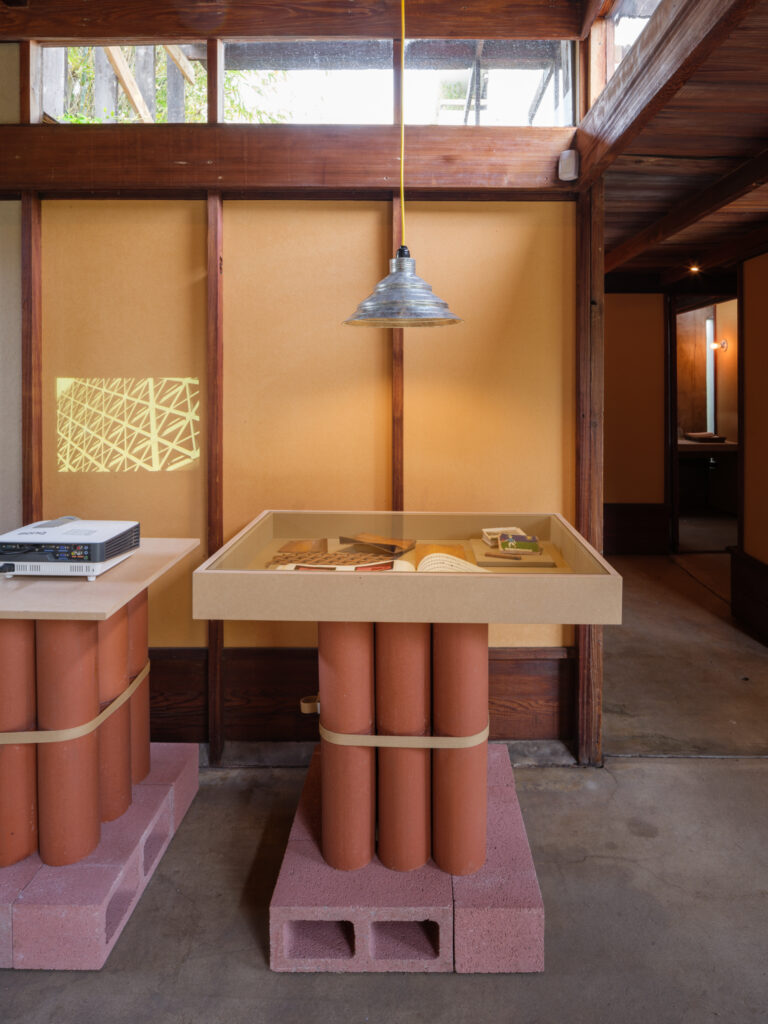
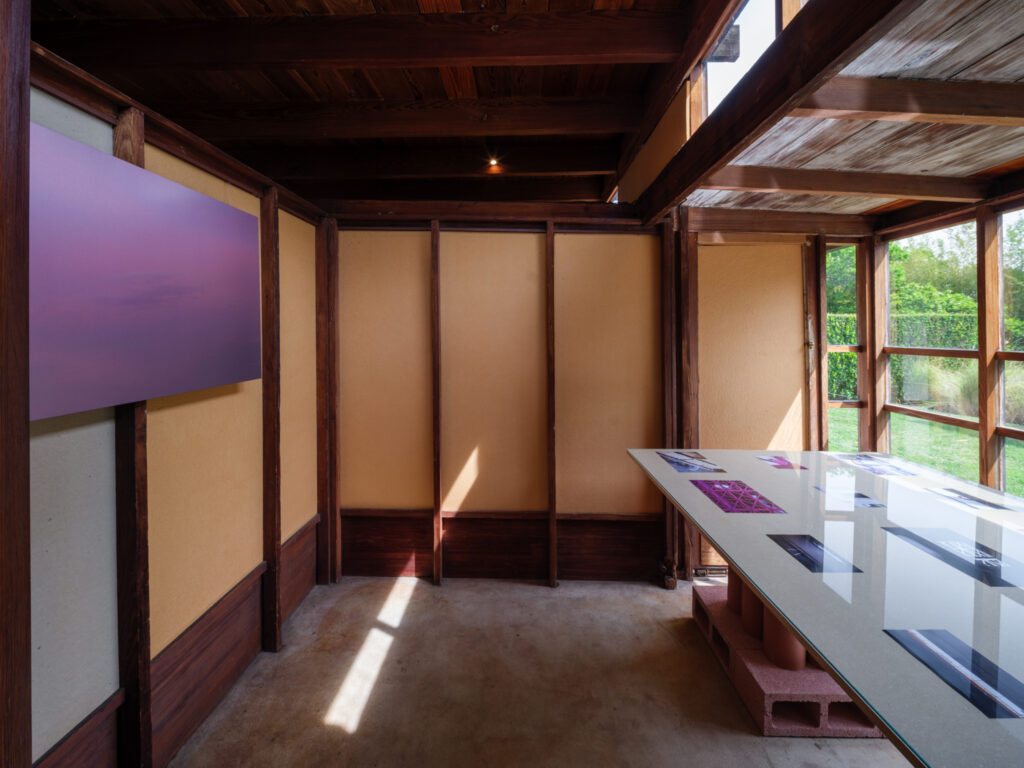
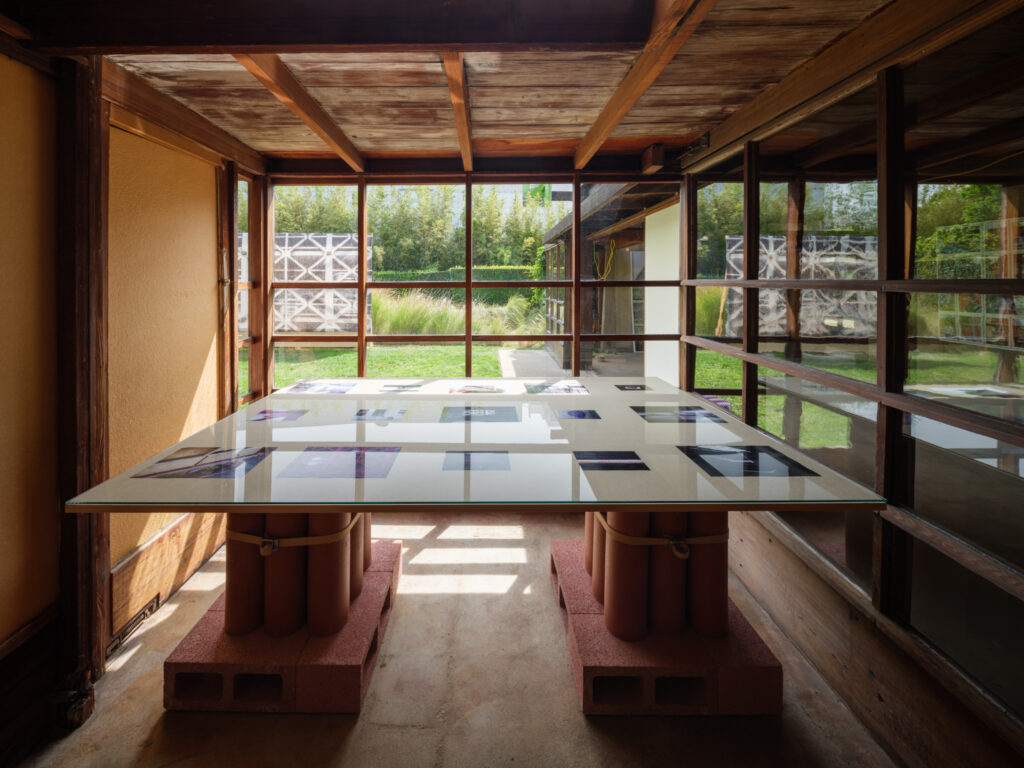
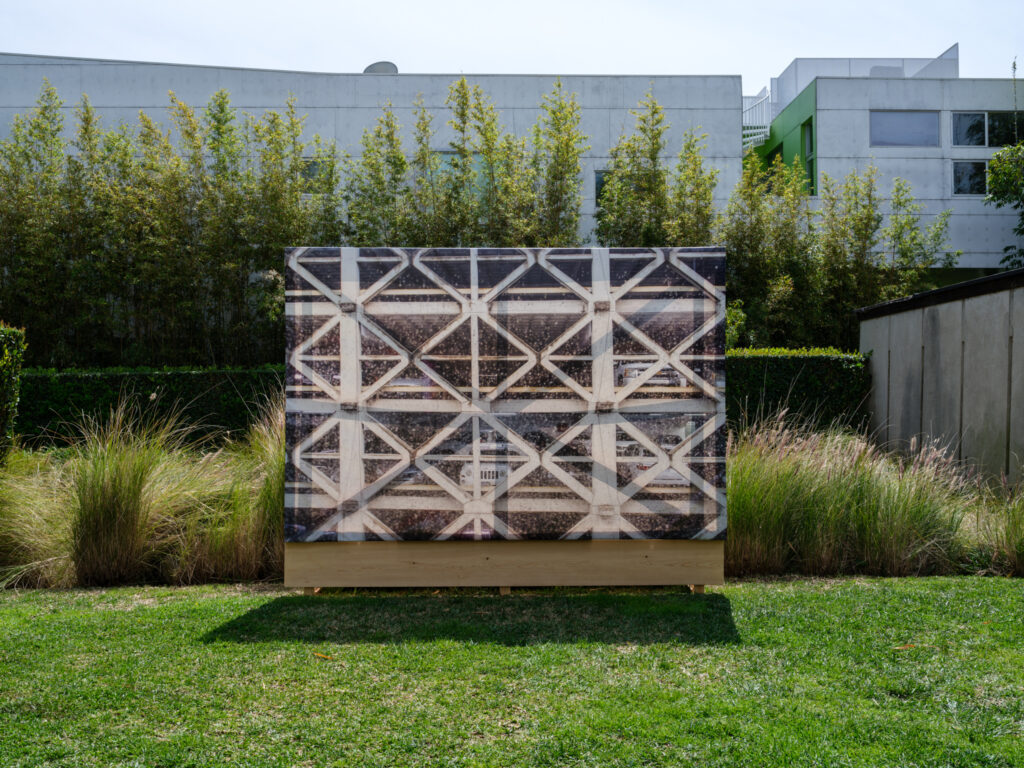
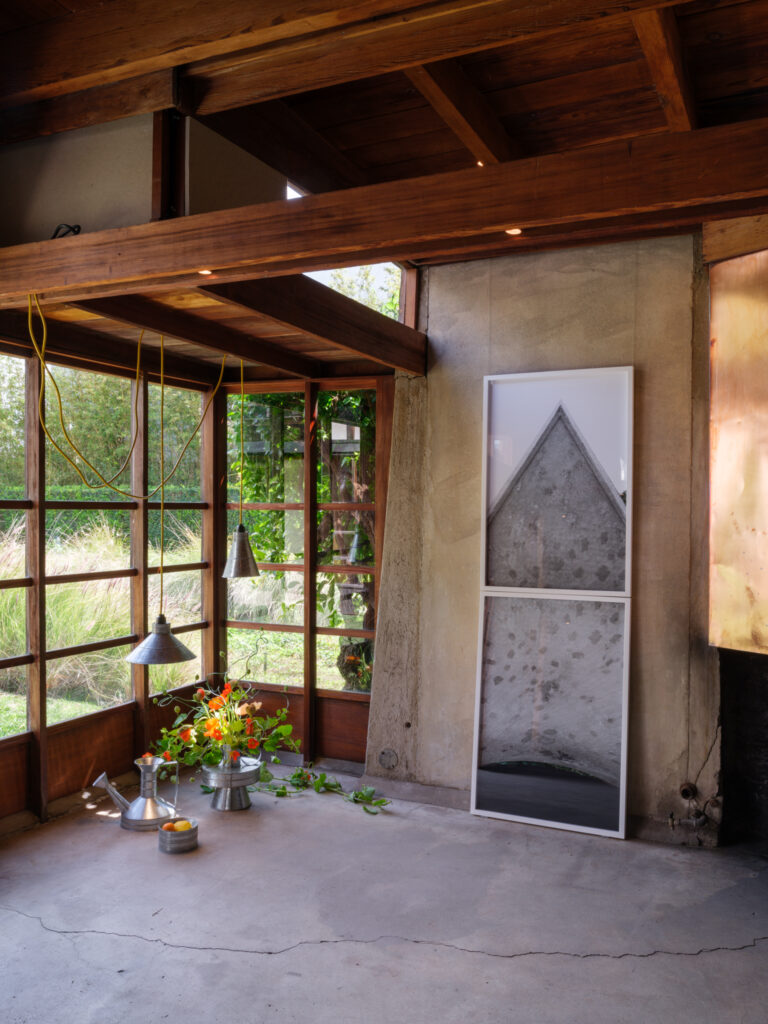
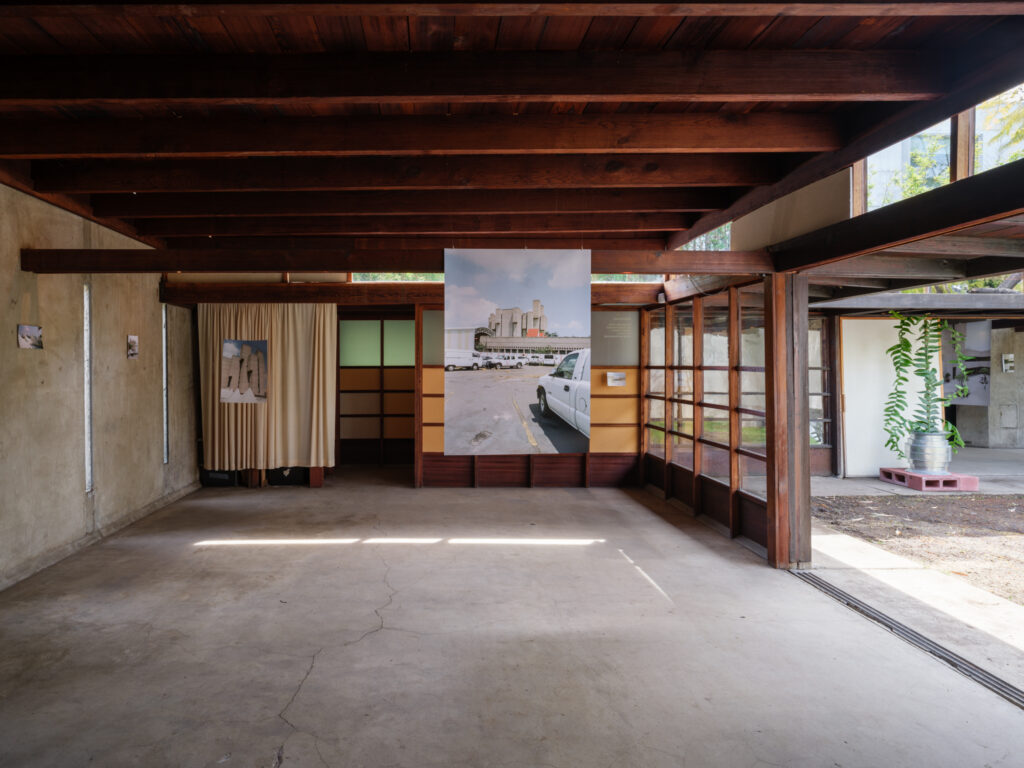
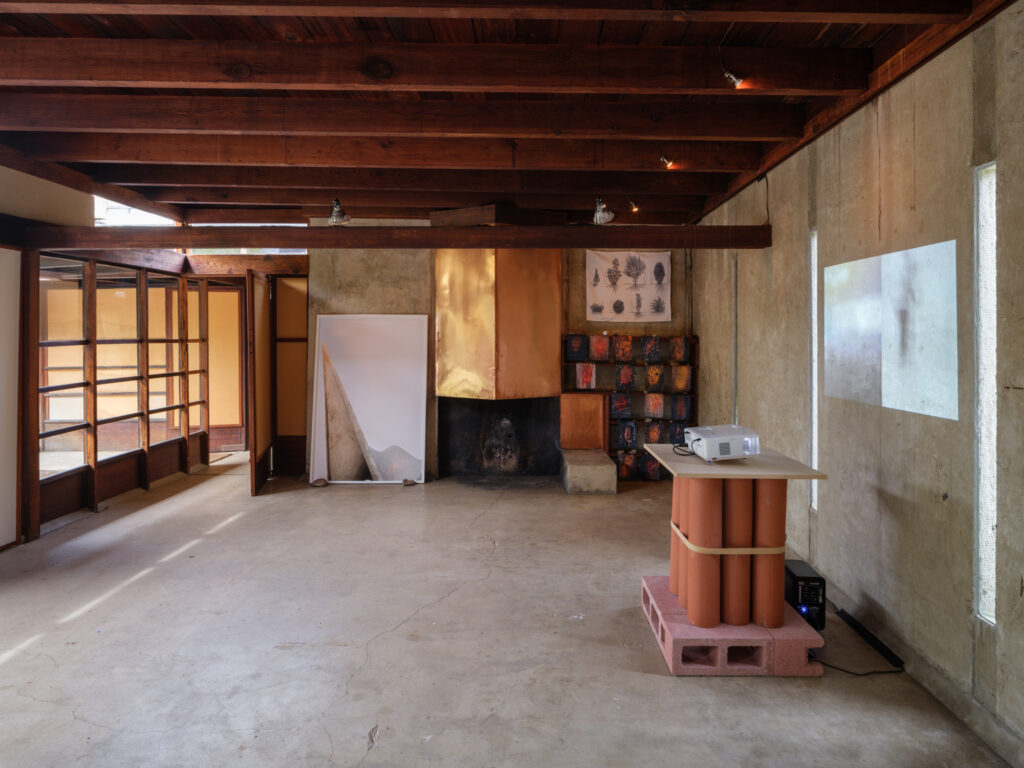
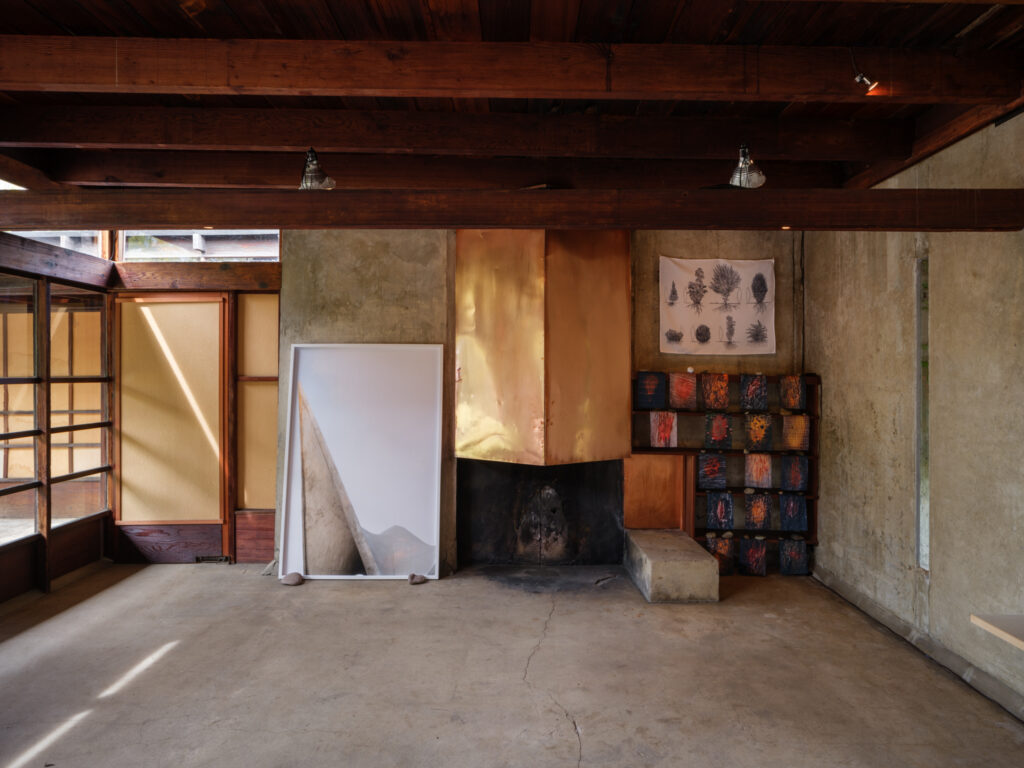
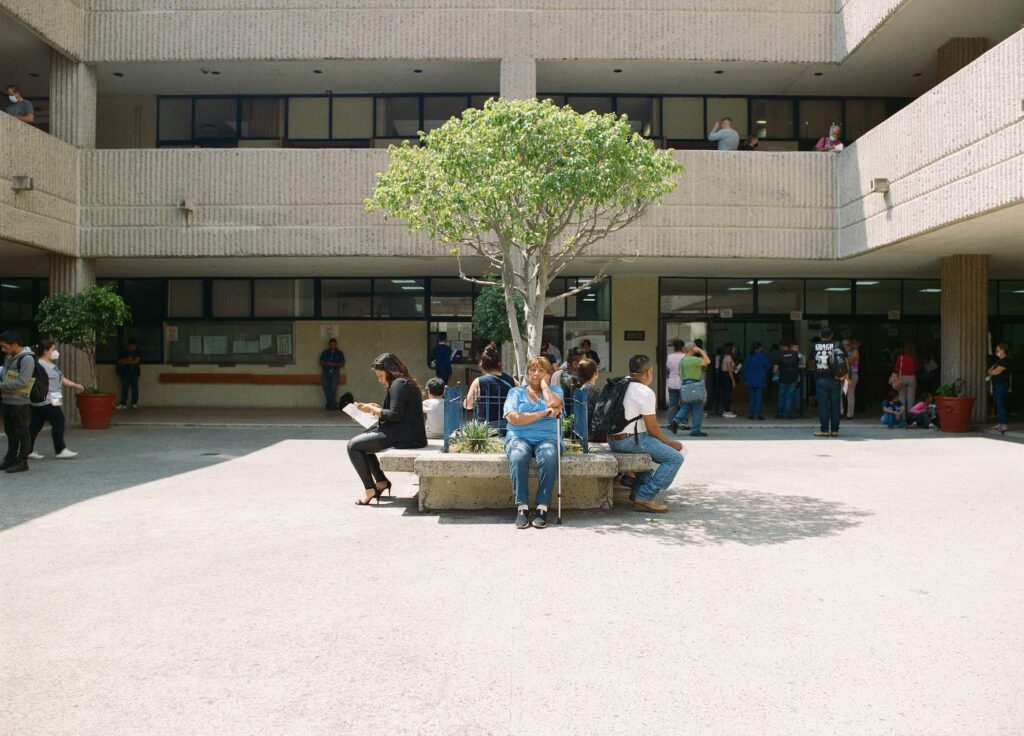
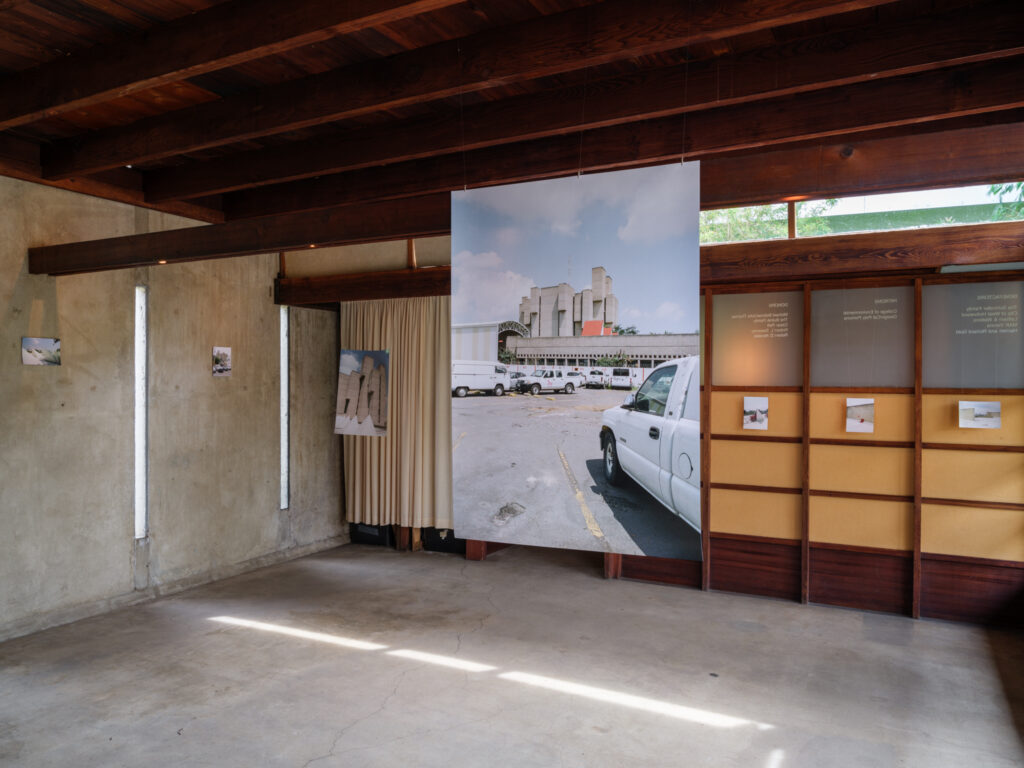
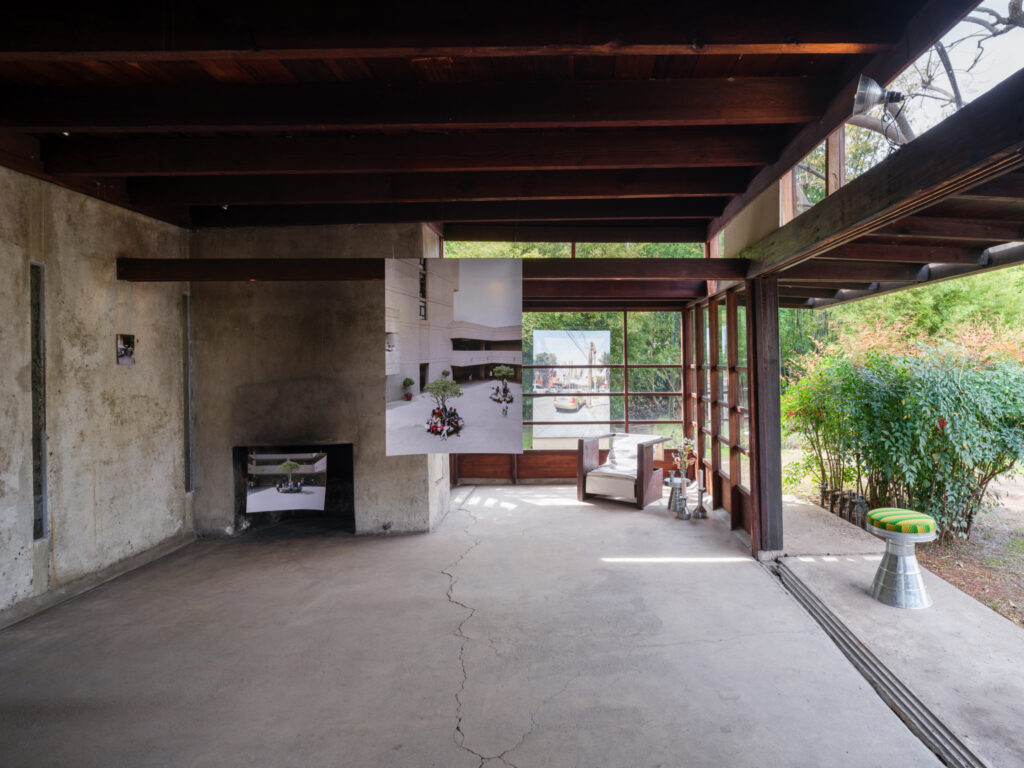
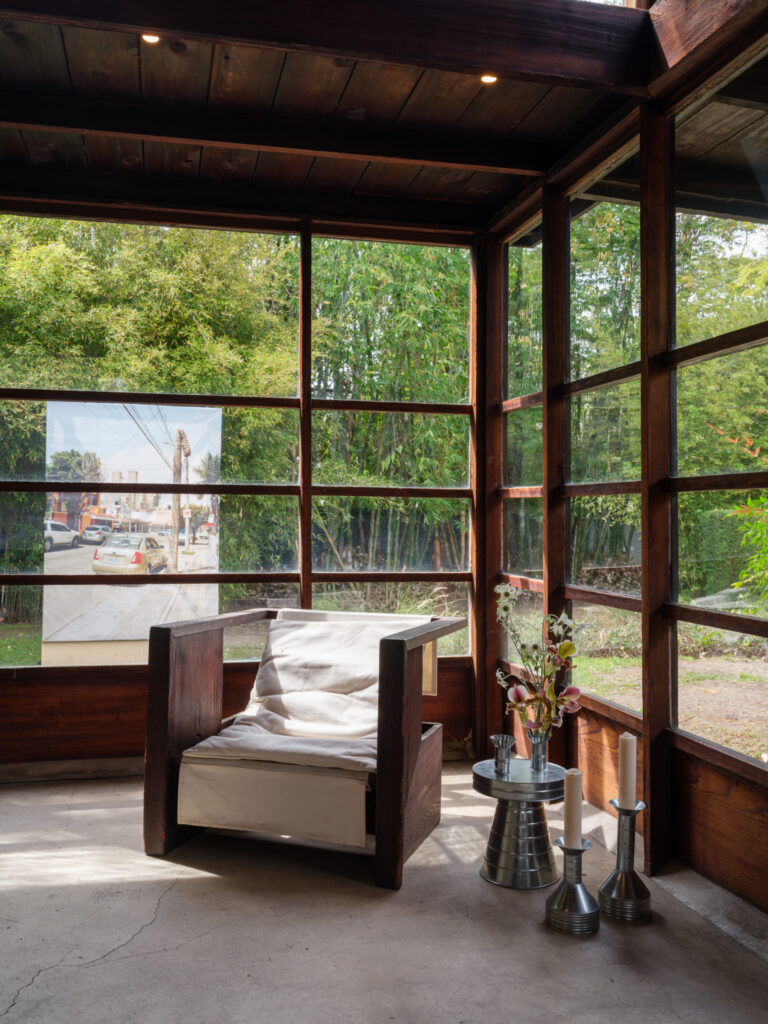
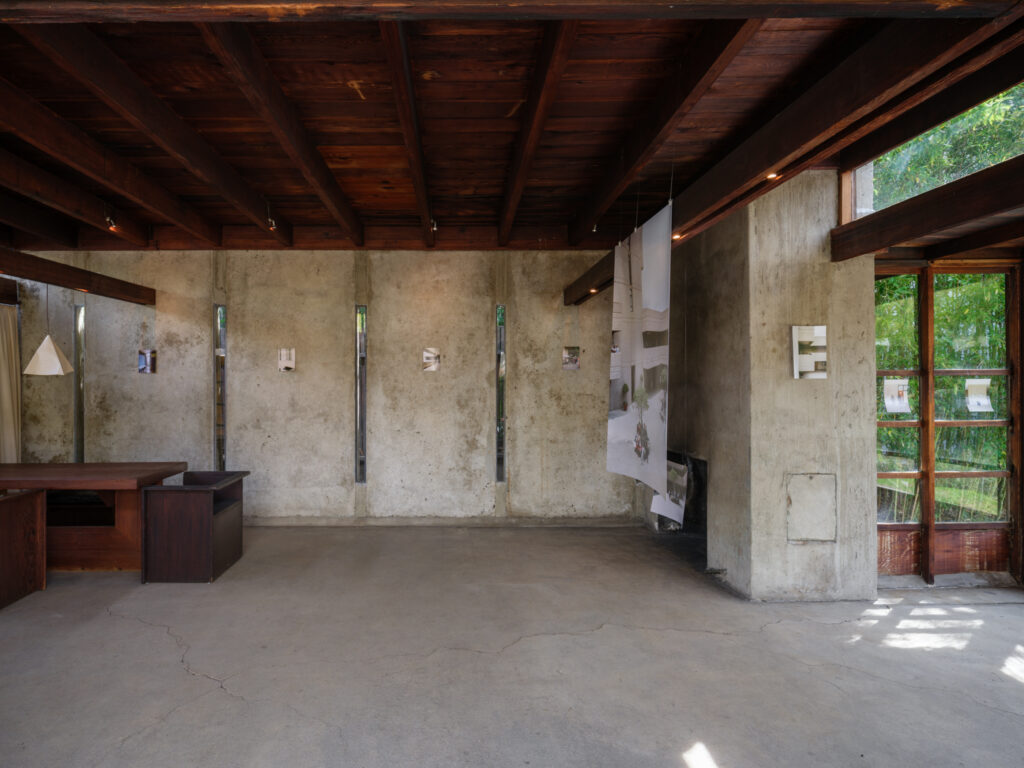
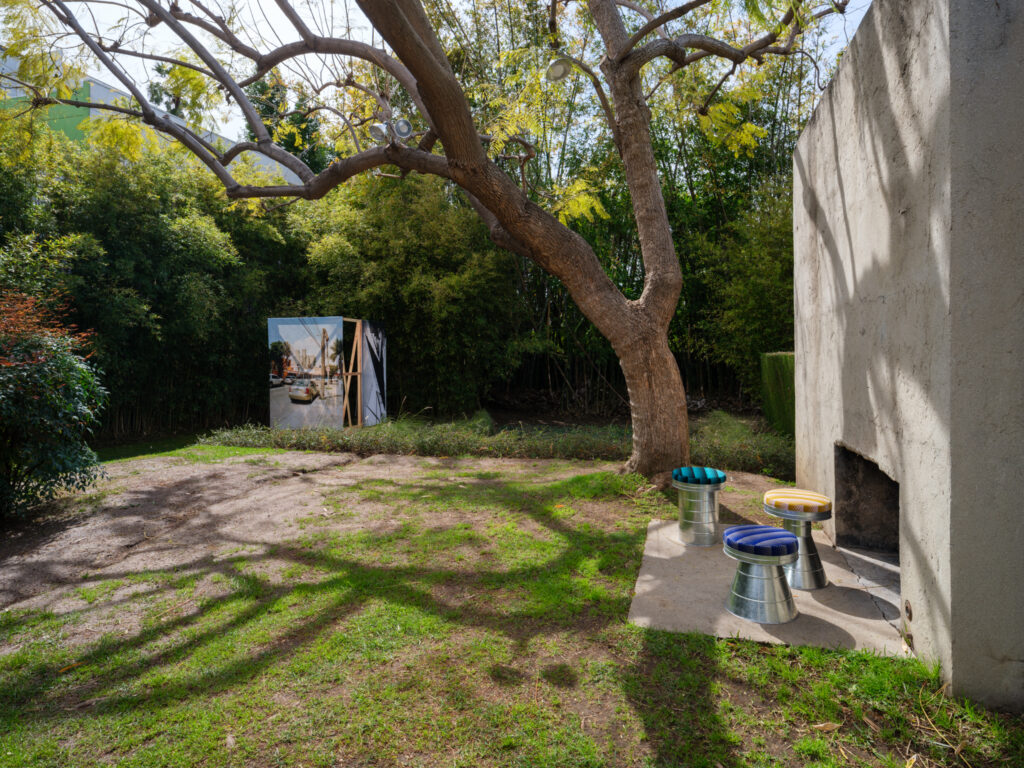
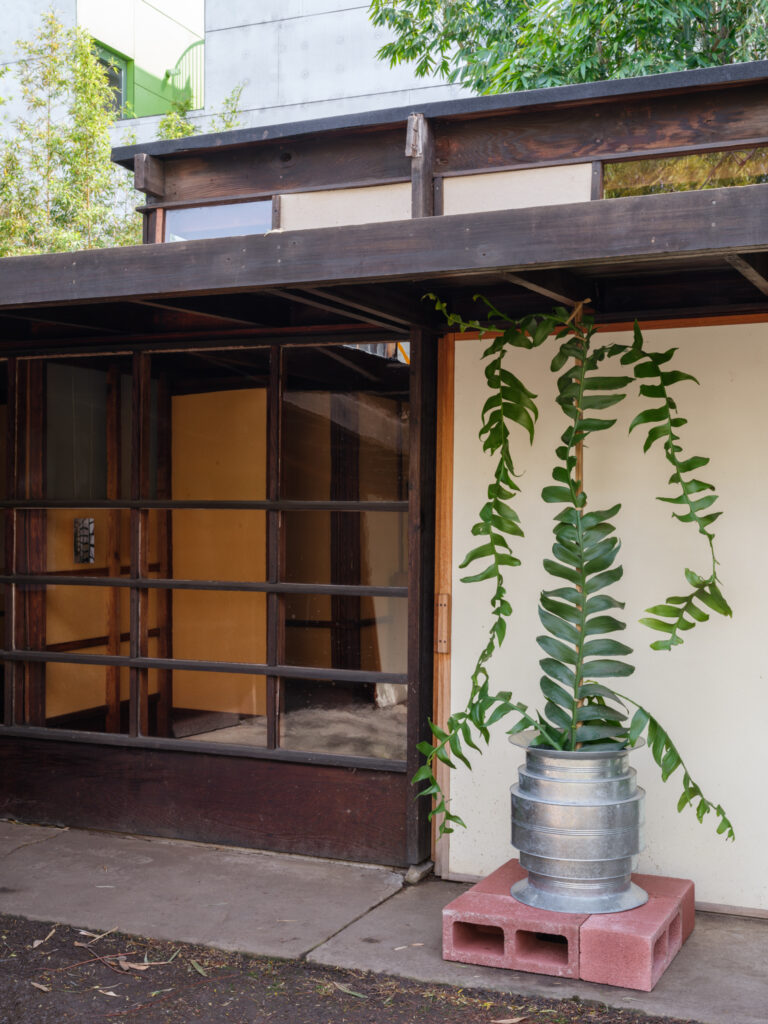
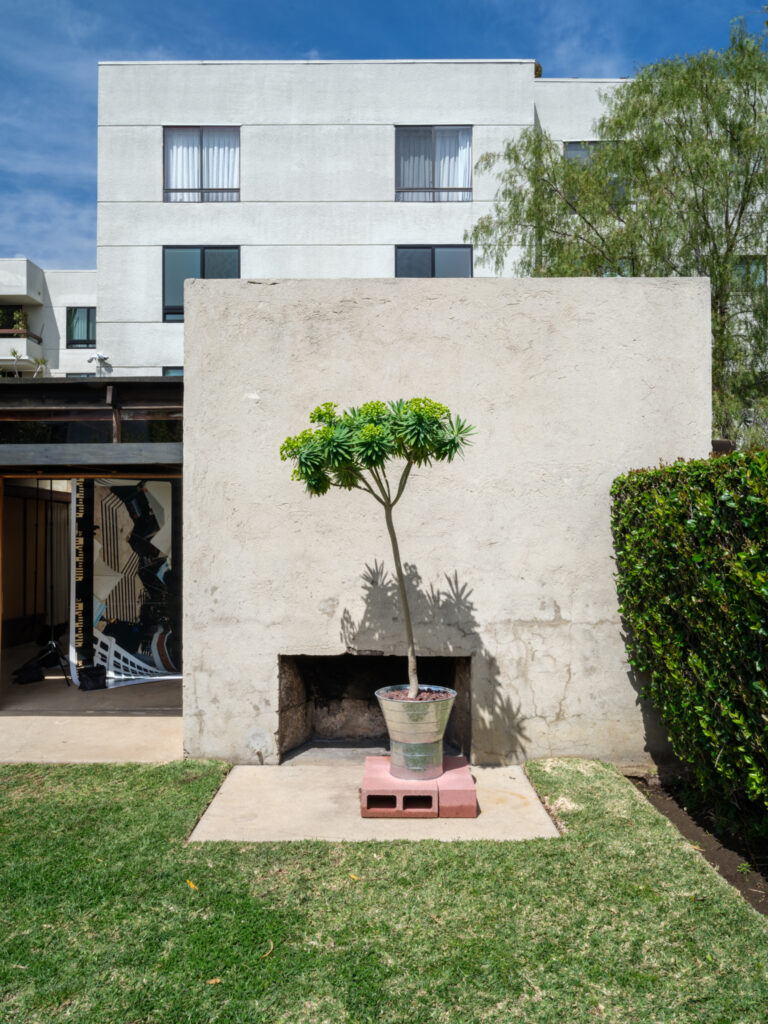
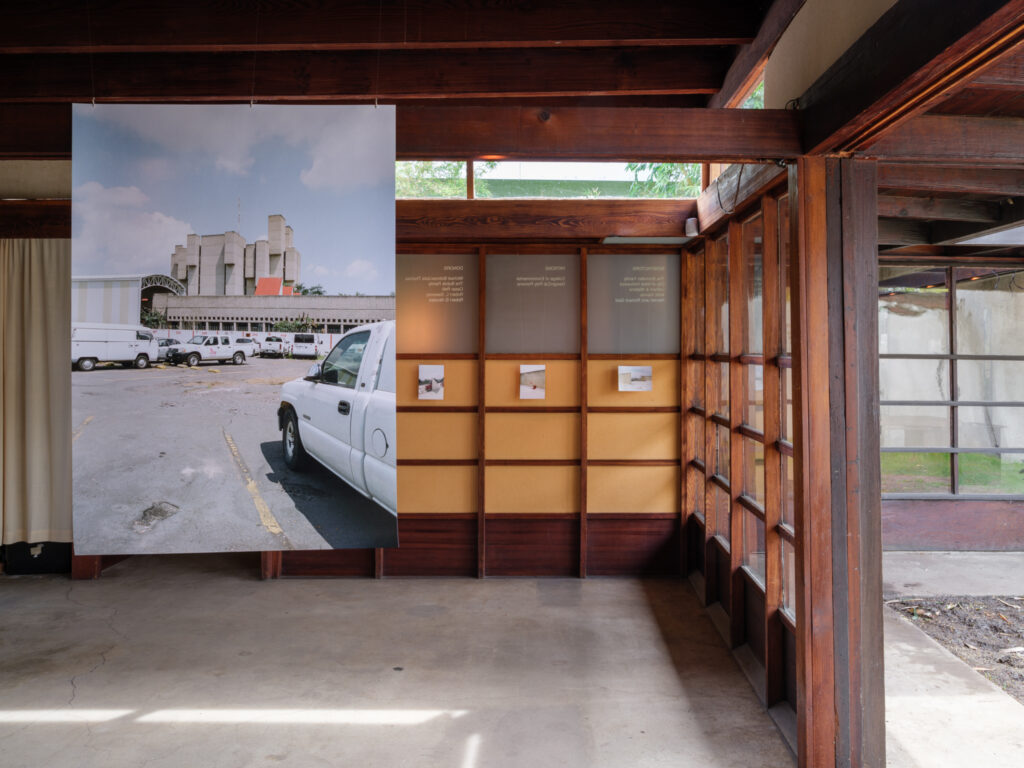
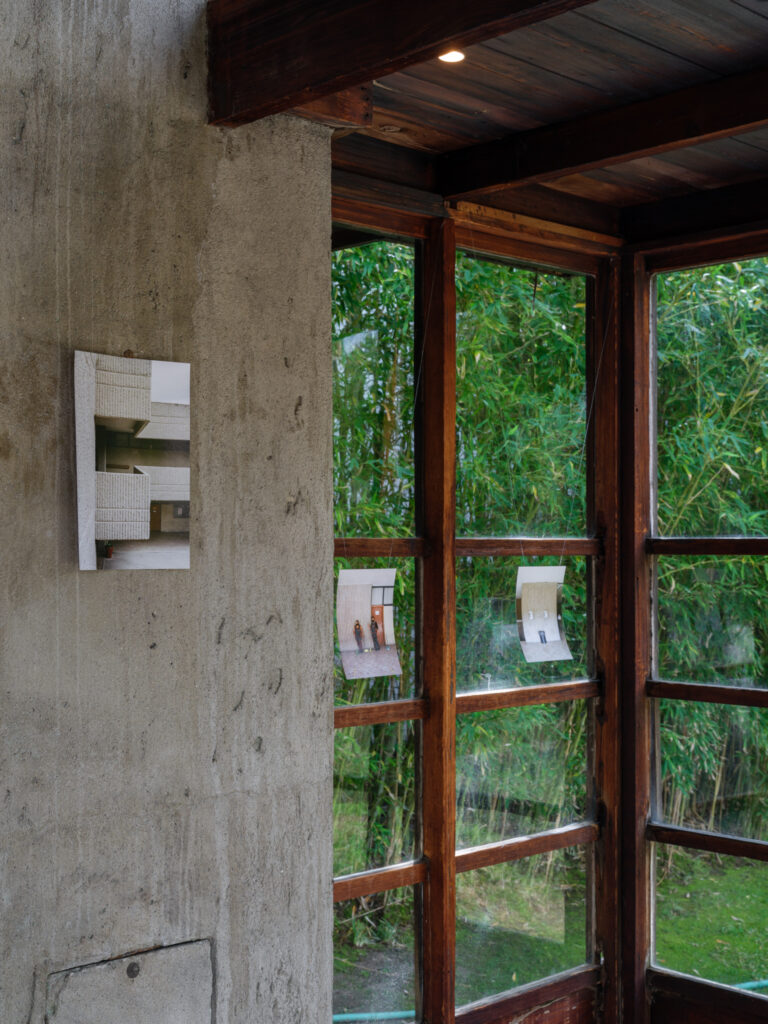
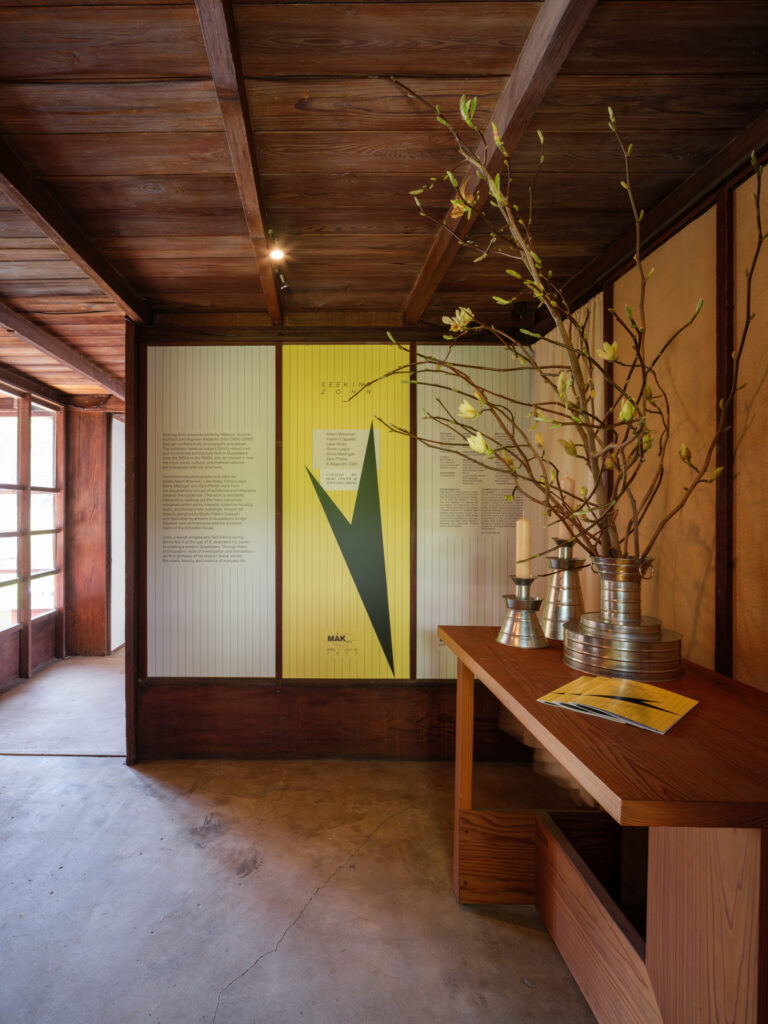
Seeking Zohn presents works by Mexican-Austrian architect and engineer Alejandro Zohn (1930-2000) through contemporary photography and design. The exhibition takes as subject Zohn’s robust civic and commercial architecture built in Guadalajara from the 1950s to the 1990s, with an interest in how the city’s social, cultural, and material histories are interwoven with his structures.

Commissioned photography and video by artists Adam Wiseman, Lake Verea, Onnis Luque, Sonia Madrigal, and Zara Pfeifer veer from the documentary conceit of architectural photography toward the subjective. This work is decidedly interpretive, seeking out the many narratives contained within parks, markets, collective housing, malls, and bureaucratic buildings. Zohn, a Jewish emigree who fled Vienna during World War II at the age of 8, dedicated his career to creating a modern Guadalajara. Through these photographs—acts of investigation and translation—we find glimpses of his utopian desire amidst the chaos, beauty, and violence of everyday life. Read More …

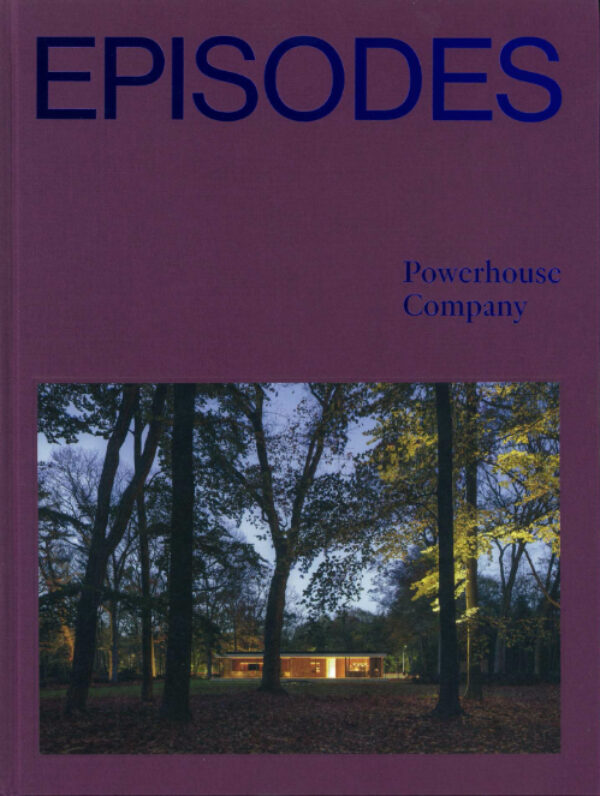
With 18 projects ranging from a chair to high-rise buildings, this book offers a cross section of the recent work of Powerhouse Company, which is based in Rotterdam, Munich, and Oslo. These projects are episodes in the success story of an architectural office that only completed its first building, a villa, in 2007. In three essays, Mimi Zeiger, Hans Ibelings, and Gay Gassmann share their insights on the work and the motivations of Powerhouse Company. Episodes traces how Powerhouse Company’s architecture has evolved while retaining what sets it apart: its attention to craftsmanship and innovation, its generosity, its comfort, and its resolute beauty.

An anachronistic exoskeleton design first conceived in 1999, resurrected in 2006, and now looming over the Expo line, it’s impossible to look at the baroquely formalist (W)rapper tower without gagging on certain circumstances surrounding its rise: an evaporating market for any office space much less the lofty double- and triple-height ceilings on offer and ERIC OWEN MOSS’s tenure as SCI-Arc director and the inflated high six-figure salary he pocketed. (W)rapper encapsulates architecture not as autonomous form but as a succubus that extracts everything from tuition to natural resources.

“This is the beginning of a cultural institution,” said Morphosis principal Thom Mayne in late September, seated in the plaza of the nearly completed Orange County Museum of Art (OCMA), in Costa Mesa, California. Behind him, VIPs dressed in black tie streamed from the valet to the white-on-white lobby for an exclusive opening event on the structure’s upper terrace. The $94 million building—its swooping prow jutting like a glazed pompadour from the facade—opened to the public on October 8.

Located at Segerstrom Center for the Arts, a suburban campus studded with architecture by Pelli Clarke Pelli and Michael Maltzan Architecture, Morphosis’s 53,000-square-foot museum is the last piece of a plan devised by civic leaders and philanthropists in the late 1960s and begun in the ’80s. It was designed to cluster Orange County’s arts organizations—like a food court for culture where you can catch the symphony, a touring production of Hamilton, and now an art exhibition.

Read More …

Colour is architecture’s sharpest tool in the box. It has indexed everything from the feminine, cosmetic and vulgar to the pure, intrinsic and embodied.

Attitudes to colour are constantly shifting. They have played a central role in the history of architecture: from the polychromy of the ancients to the great white interiors of high modernism; the figurative flourishes of postmodernism to the embodied sublime of contemporary building systems and facades.

Read More …

The Architecture of Disability uses the lens of disability to reevaluate received architectural histories and speculate on a more inclusive architectural environment.

A shock of recognition comes early in The Architecture of Disability. Author David Gissen argues in his introduction that while providing adequate access for disabled people is necessary, making it the dominant principle by which architecture responds to impairment not only is insufficient but also reinforces alienating functionalist narratives. And then, toward the end of this initial essay, he turns the mirror on the discipline itself—to the hustles of studio, site visits, and archival work that compose common design and research practices. In short, the ways that architecture cultivates an unwritten doctrine of, as Elon Musk might put it, hard core. Read More …

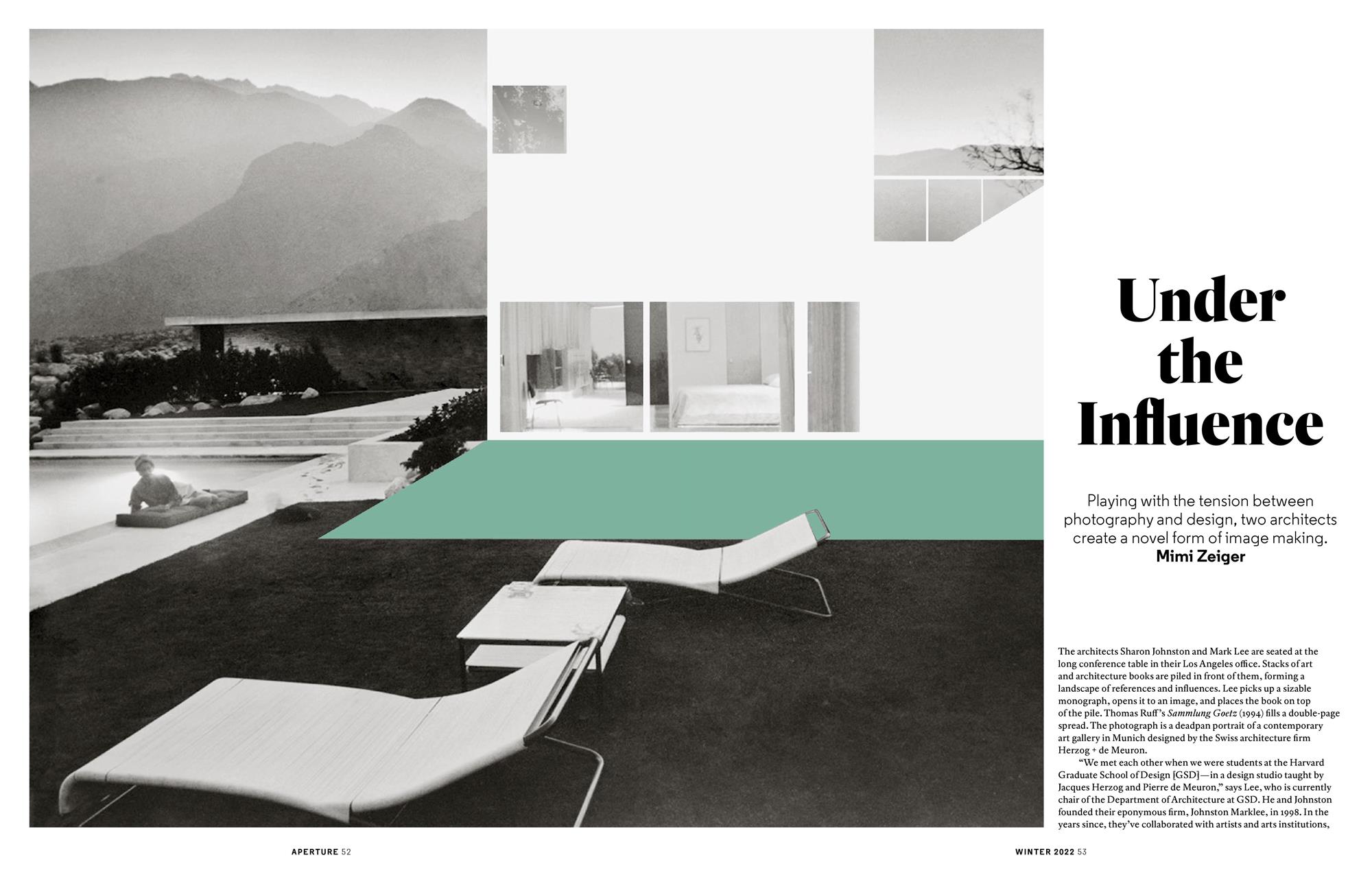
The architects Sharon Johnston and Mark Lee are seated at the long conference table in their Los Angeles office. Stacks of art and architecture books are piled in front of them, forming a landscape of references and influences. Lee picks up a sizable monograph, opens it to an image, and places the book on top of the pile. Thomas Ruff’s Sammlung Goetz (1994) fills a double-page spread. The photograph is a deadpan portrait of a contemporary art gallery in Munich designed by the Swiss architecture firm Herzog + de Meuron.

Read More …

Tras una década en desarrollo, el viaducto de la Calle Sexta de Los Ángeles abrió al público a principios de julio de 2022 entre fanfarria y caos. Diez pares de arcos de concreto, cada uno inclinado expresivamente hacia afuera 9 grados, se iluminaron con luces LED azules y rojas. El alcalde de Los Ángeles, Eric Garcetti, se unió a políticos locales y al arquitecto del puente, Michael Maltzan, para el corte de listón y los eventos de apertura que dieron la bienvenida a los residentes de Los Ángeles para ocupar la carretera de poco más de 1 kilómetro de largo antes de que se llenara de tráfico de automóviles.

Construido en 1932, el puente art déco original fue demolido en 2016 debido al deterioro de su integridad estructural, causado por reacciones de álcali-sílice, o “cáncer del concreto”. Su reemplazo es un viaducto atirantado con un costo de $588 millones que cruza el río L.A., uniendo el canal de concreto que se hizo famoso en películas como Terminator 2: Judgment Day y Repo Man. A medida que la carretera conecta el vecindario de Boyle Heights con el Arts District, anteriormente industrial y ahora gentrificado, sus arcos saltan sobre 18 pares de vías férreas y la autopista US 101. Durante el fin de semana inaugural, un desfile de relucientes lowriders avanzó lentamente por la plataforma, una representación de la cultura chicana de Boyle Heights.

Read More …