Mimi Zeiger

Critic, editor, curator and instigator.

The day before the 2012 Venice Architecture Biennale opened to the public, Wolf D. Prix, COOP HIMMELB(L)AU’s resident avant-gardist issued a statement to the press. Rebuking the curators for banality in the face of crisis, Prix’s missive evokes a colourful vision of architects packed into a sinking gondola, a metaphor for the discipline’s “powerlessness and irrelevance.” And his prickling has a target. “Politicians and project managers, investors and bureaucrats have been deciding on our built environment for a long time now,” he writes. “Not the architects.” Meanwhile, deep in the Biennale, Public Works: Architecture by Civil Servants, OMA’s contribution to Common Ground, counters the Austrian’s lament.

Public Works celebrates the bureaucrat. Read More …

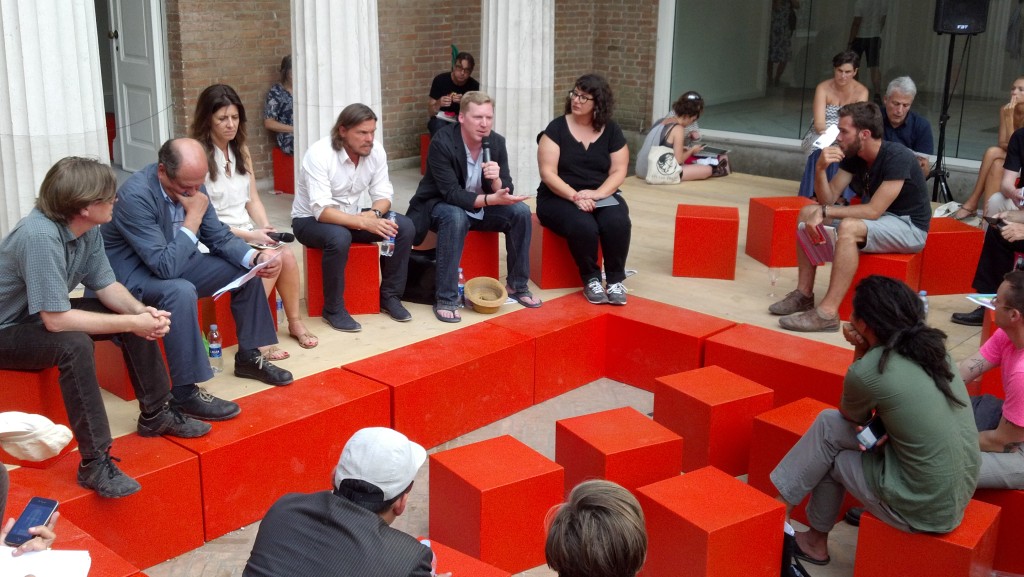
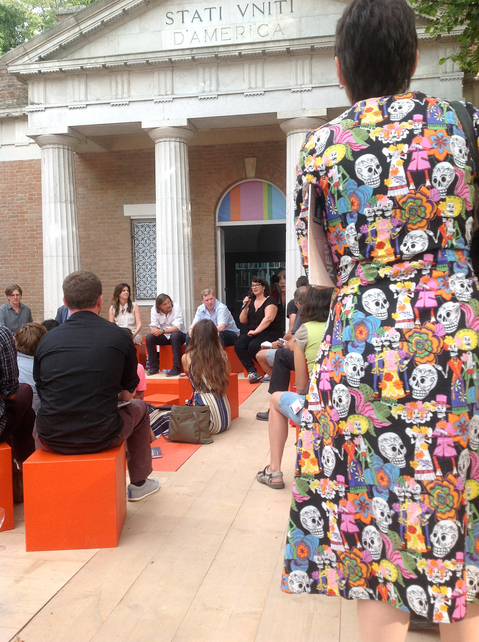
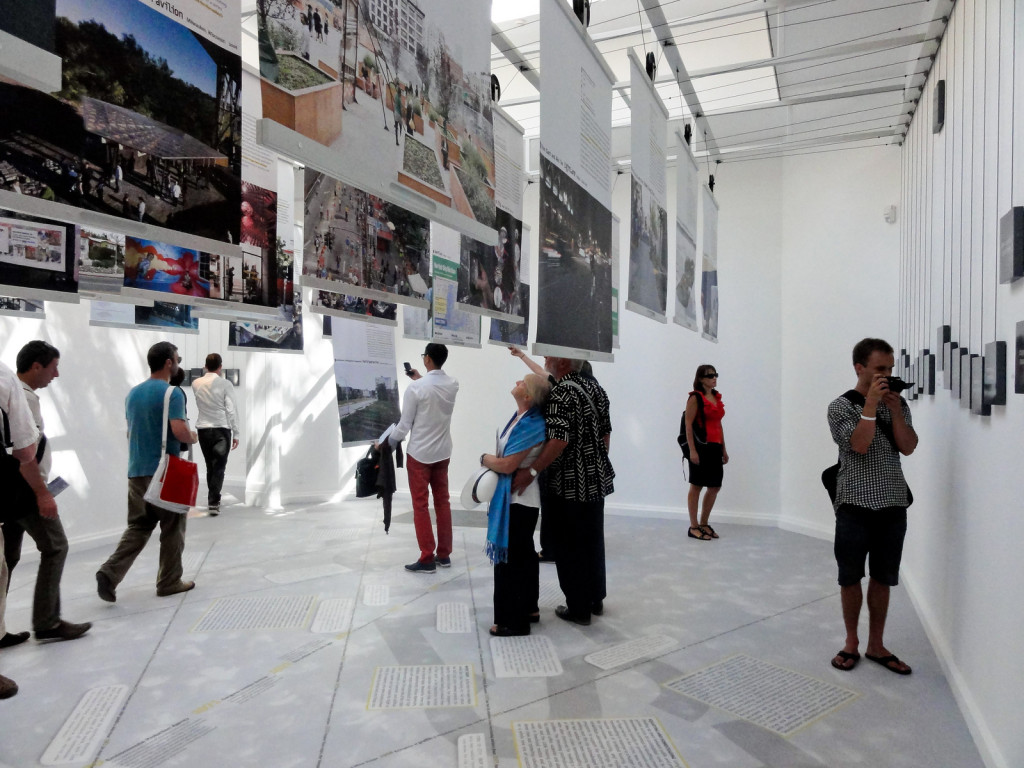
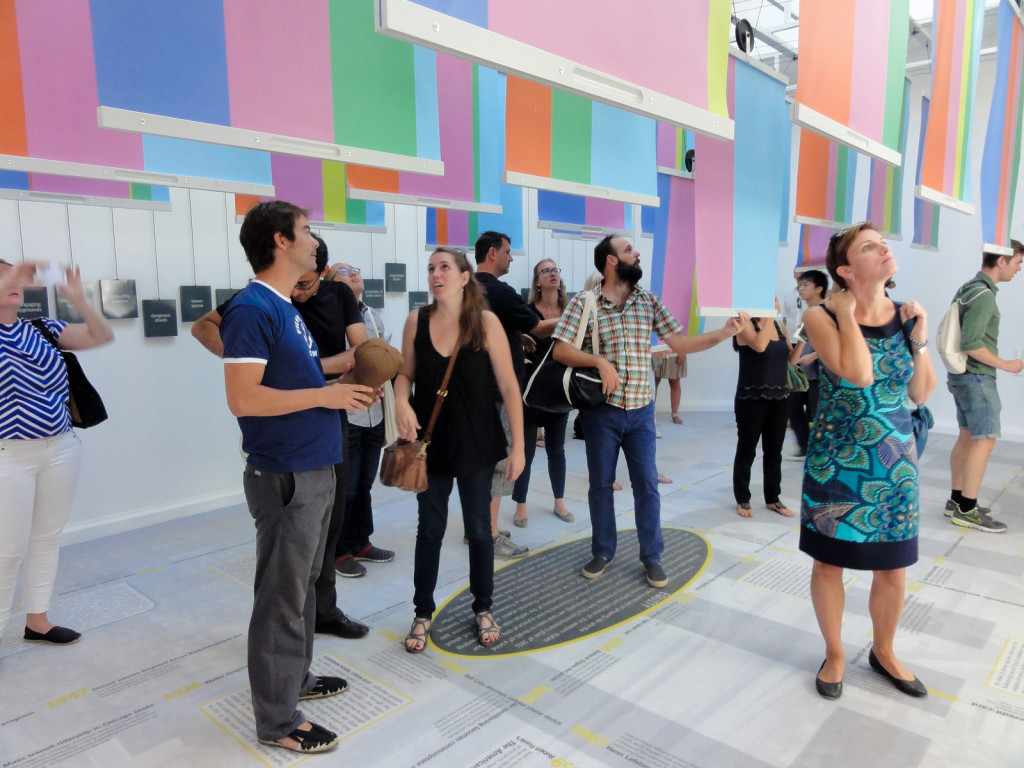
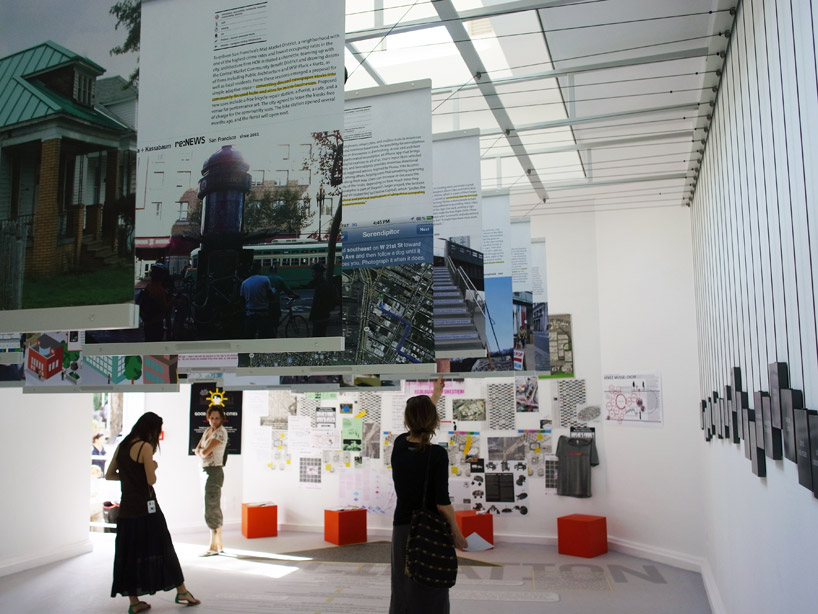
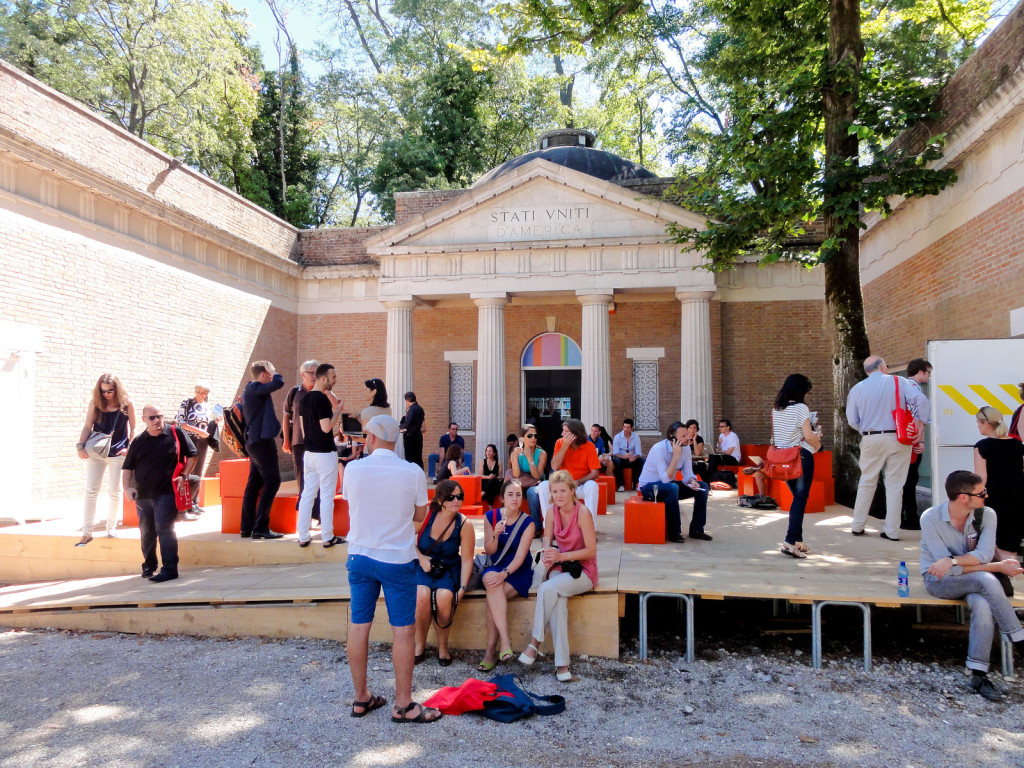
In recent years, there has been a nascent movement of designers acting on their own initiative to solve problematic urban situations, creating new opportunities and amenities for the public. Provisional, improvisational, guerrilla, unsolicited, tactical, temporary, informal, DIY, unplanned, participatory, opensource—these are just a few of the words that have been used to describe this growing body of work.

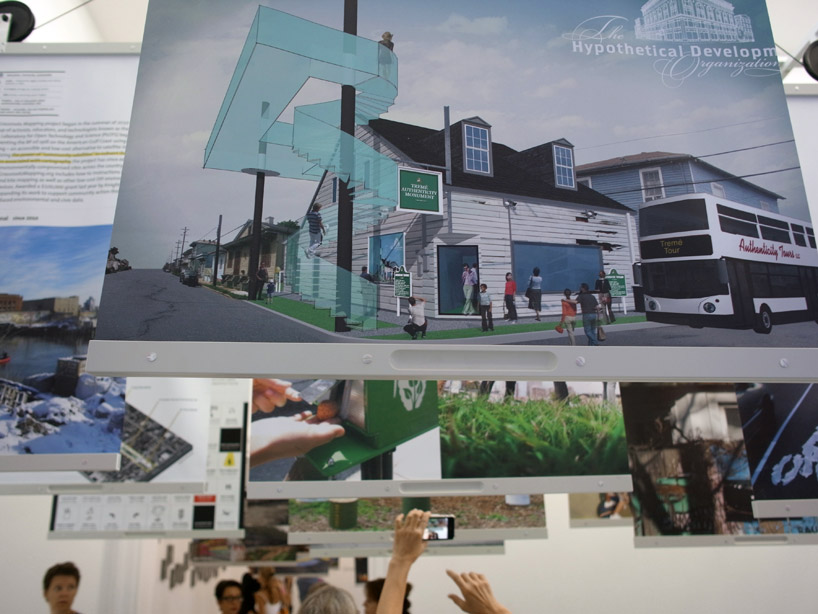
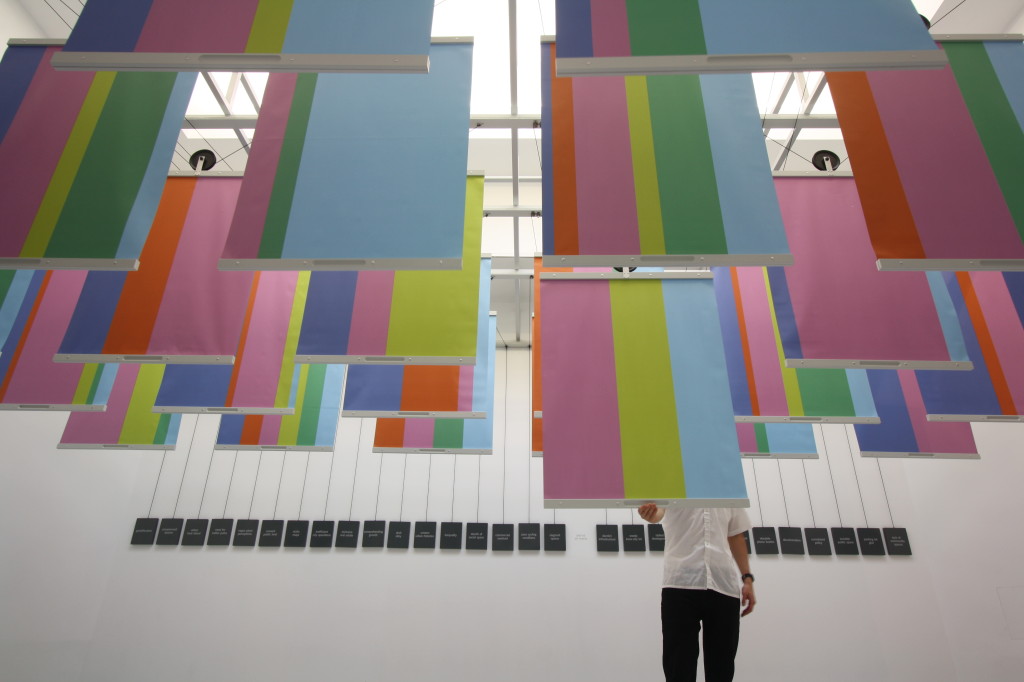
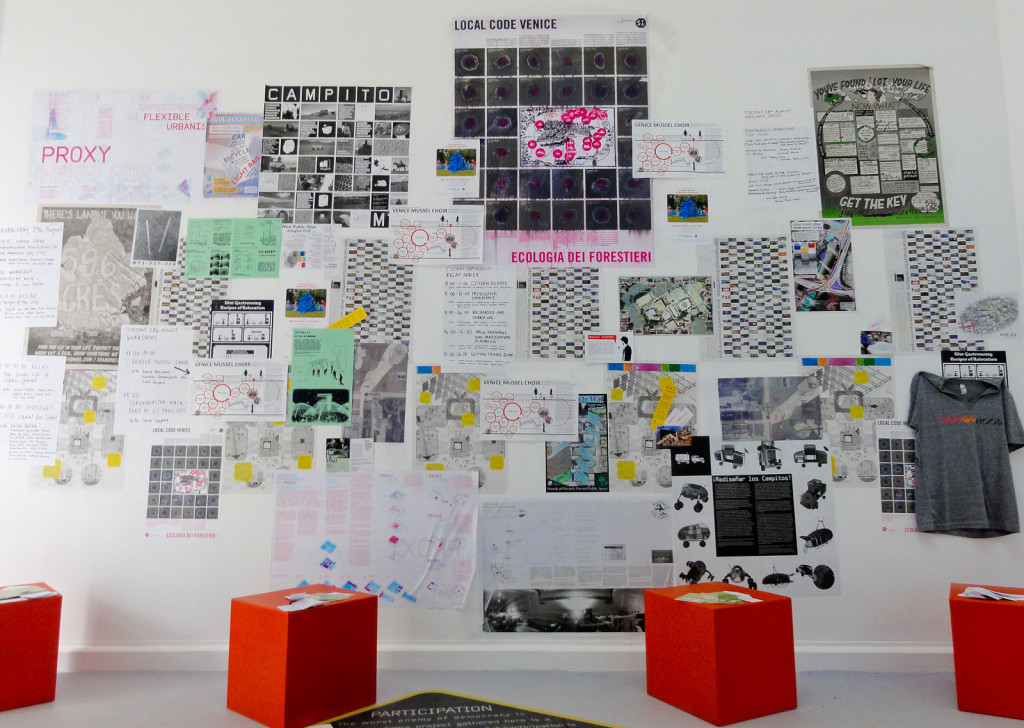
Spontaneous Interventions frames an archive of compelling, actionable strategies, ranging from urban farms to guerrilla bike lanes, temporary architecture to poster campaigns, urban navigation apps to crowdsourced city planning. These efforts cut across boundaries, addressing architecture, landscape, infrastructure, and the digital universe, and run the gamut from symbolic to practical, physical to virtual, whimsical to serious. But they share an optimistic willingness to venture outside conventional practice and to deploy fresh tactics to make cities more sustainable, accessible, and inclusive.

Awarded Special Mention for National Participation.

Commissioner and Curator: Cathy Lang Ho
Co-curators: David van der Leer and Ned Cramer
Curatorial Advisors: Paola Antonelli, Anne Guiney, Zoe Ryan, Michael Sorkin and Erik Adigard
Project managers: Gordon Douglas and Mimi Zeiger
Design: Freecell, M-A-D, and Interboro Partners

“[T]he show may not be the first but it is the latest and one of the most panoramic surveys of this sort of insurgent, unplanned, provisional, do-it-yourself micro-cultural citizen activism.

That many of the projects here skirt authority and don’t involve architects suggests not that architects aren’t important or that cities don’t depend on top-down plans. It suggests that cities and architects still have a ways to go to catch up with an increasingly restless public’s appetite for better design and better living.

And that the public isn’t waiting.”—Michael Kimmelman, The New York Times
In late January 2011, as Egyptian protesters filled Tahrir Square in Cairo, the activist website IndyMedia.com published exemplary pages from How to Protest Intelligently. Available as a PDF ready to print, the 26-page illustrated pamphlet, published in Arabic and English, clearly spelled out the Egyptian people’s demands and the actions and supplies needed to resist state forces. Read More …

If there’s a common question to be answered by the dozens of projects collected in Spontaneous Interventions, it might be: “What is the role of a local project in a global age?” The individual projects represented—pop-up parks, community agriculture, ad-hoc street furniture, guerrilla bike lanes—are not necessarily overt as they position themselves against the effects of global capital. However, taken as a group, these interventions run counter to the unchecked boom-and-bust development of what David Harvey and others critically describe as the neoliberal city. Small-scale and socially engaged, spontaneous interventions use design to enrich public space and foster civic life at a time when the disparity between daily life and the governmental and corporate mechanisms shaping cities is at an all-time high. Read More …

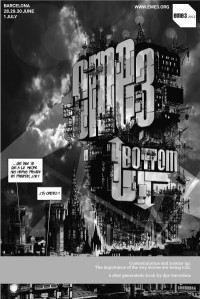
Following the debate “Communication and Bottom-UP. The importance of the way stories are being told.” we [at dpr-barcelona] are committed to expand the debates and conversations avoiding them to get lost after a few days of the event. That’s why we’re publishing this digital-pamphlet [kindle + ePub] exploring the thought and ideas of thinkers and doers; articulated by simple detonating questions posed through emails, tweets and conversations intending to communicate effectively the very essence of the debate: “the importance of telling stories.” Read More …

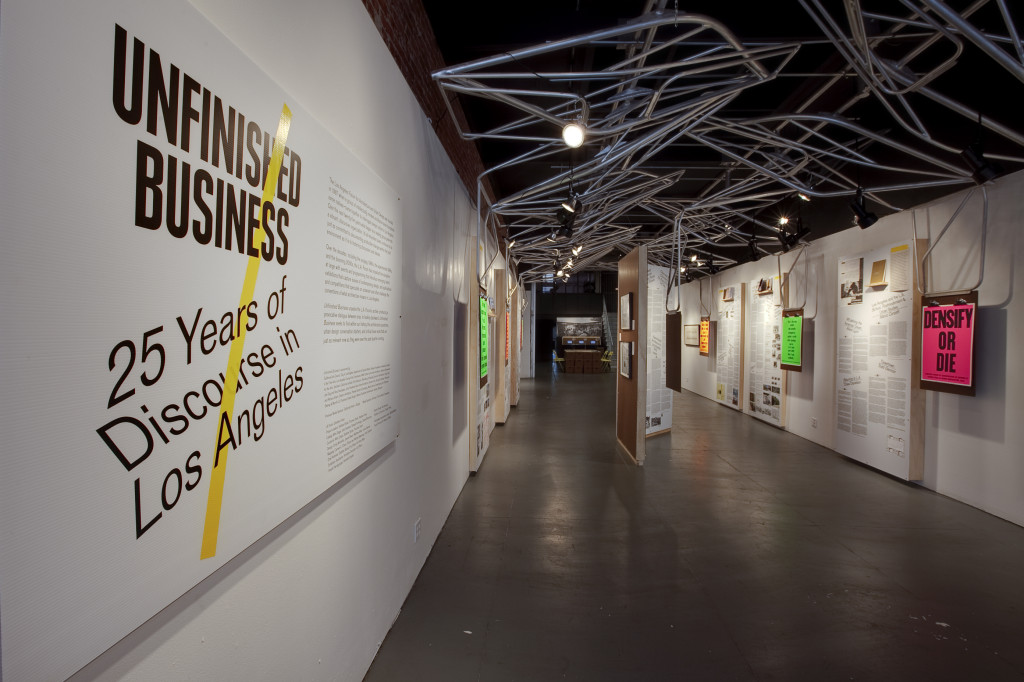
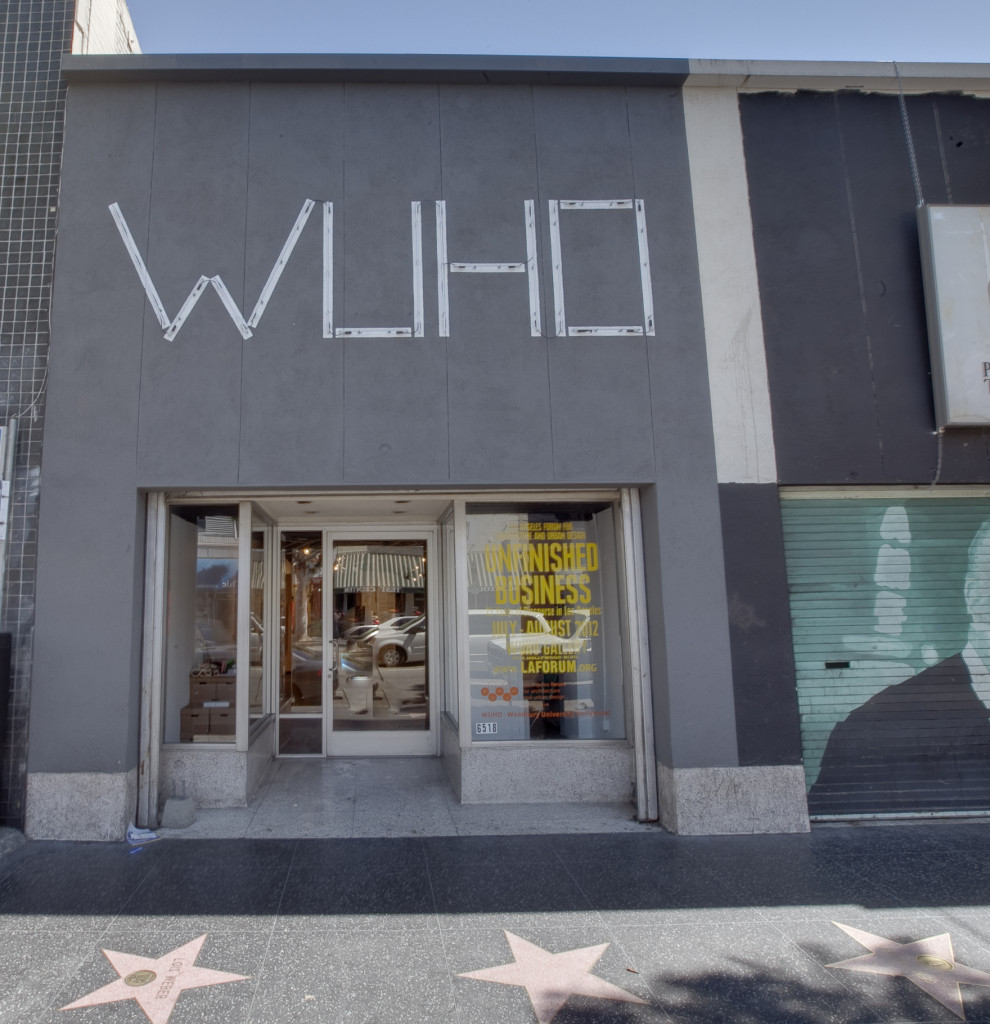
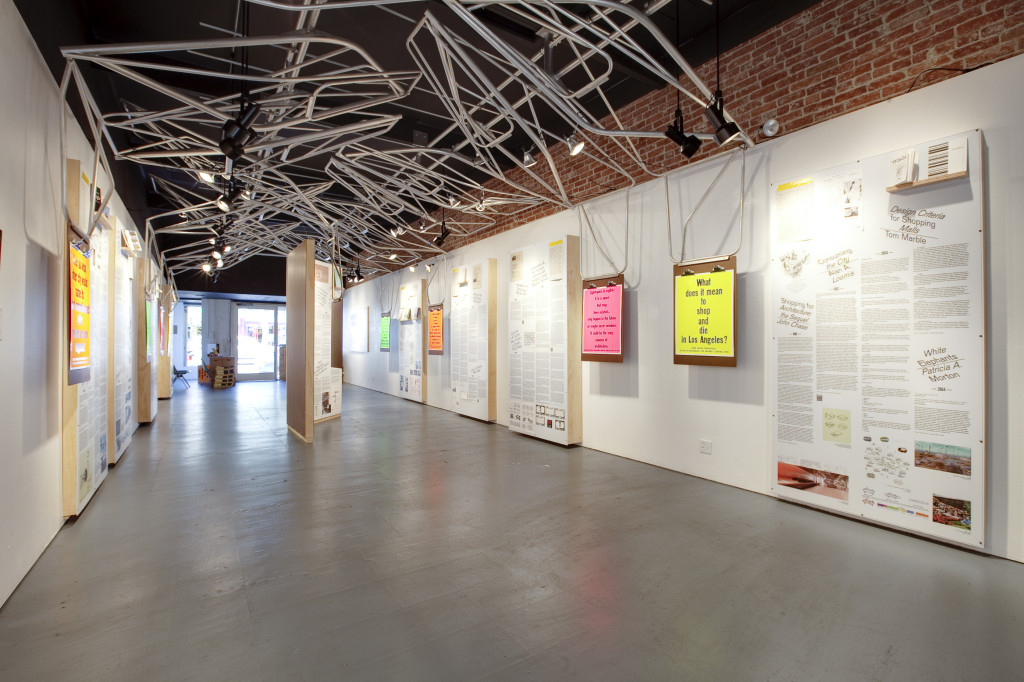
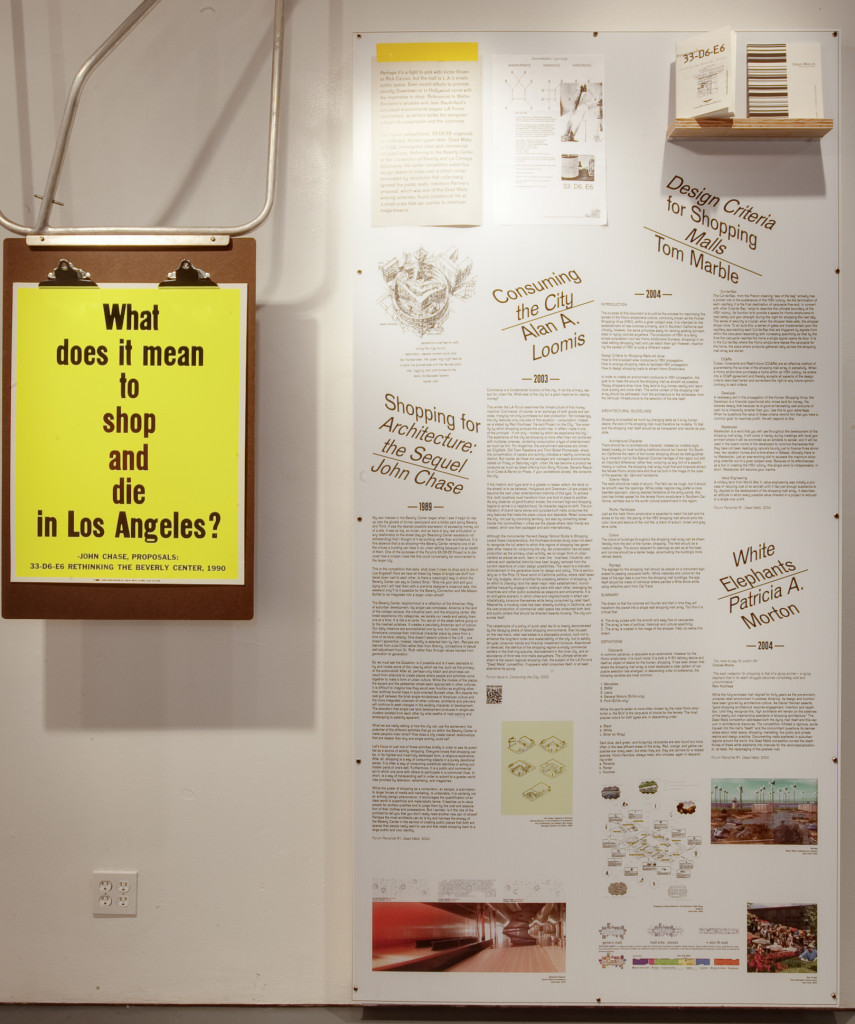
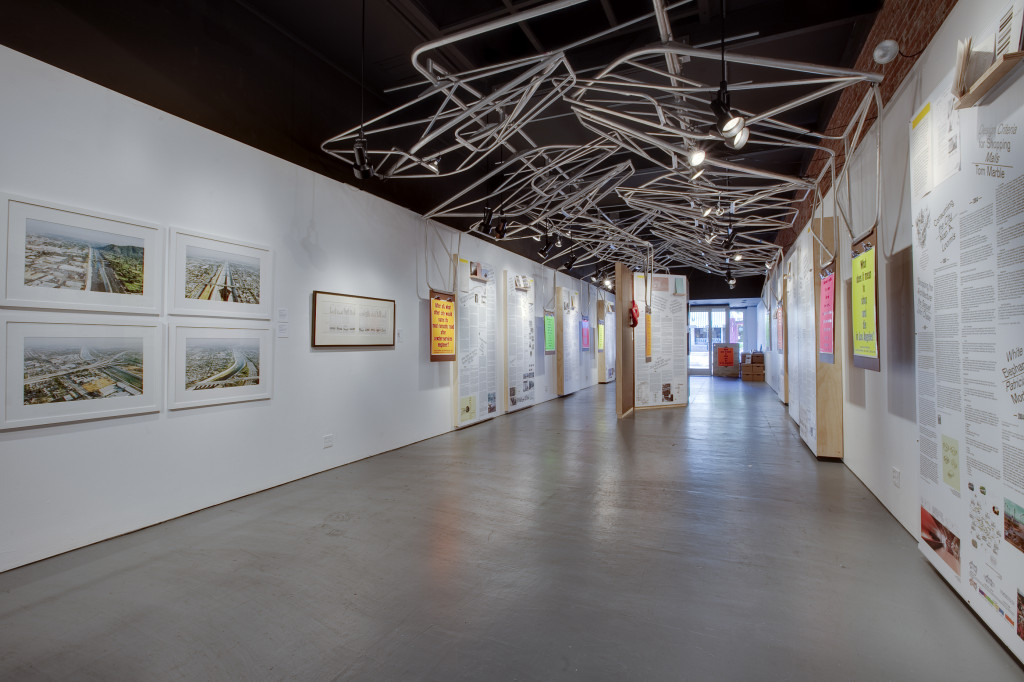
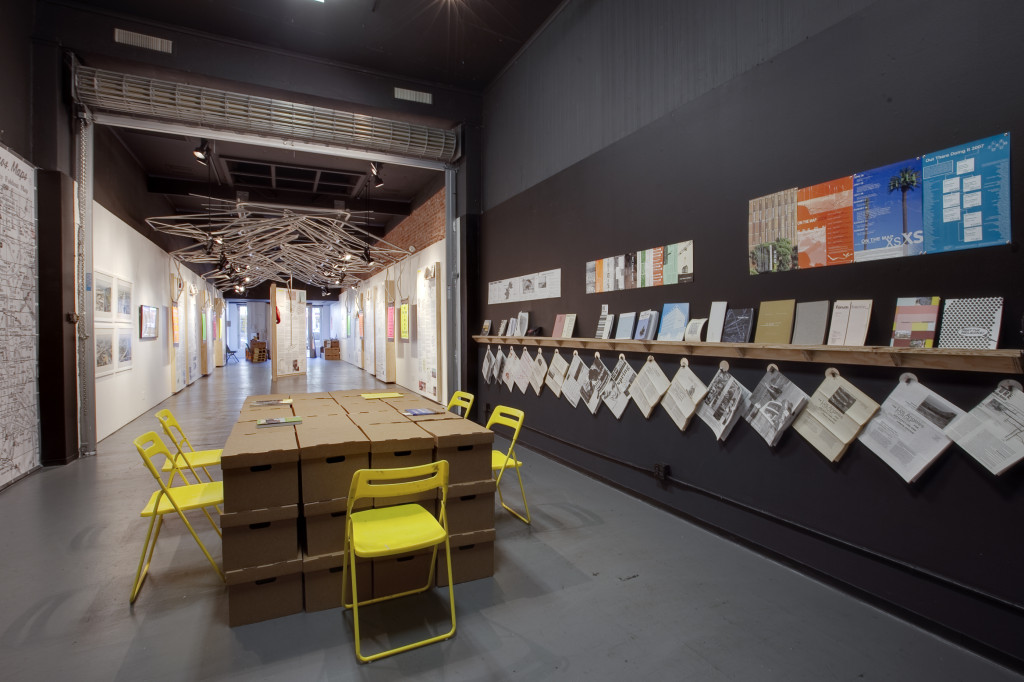
Unfinished Business: 25 Years of Discourse in Los Angeles is a major retrospective of the Los Angeles Forum for Architecture and Urban Design.

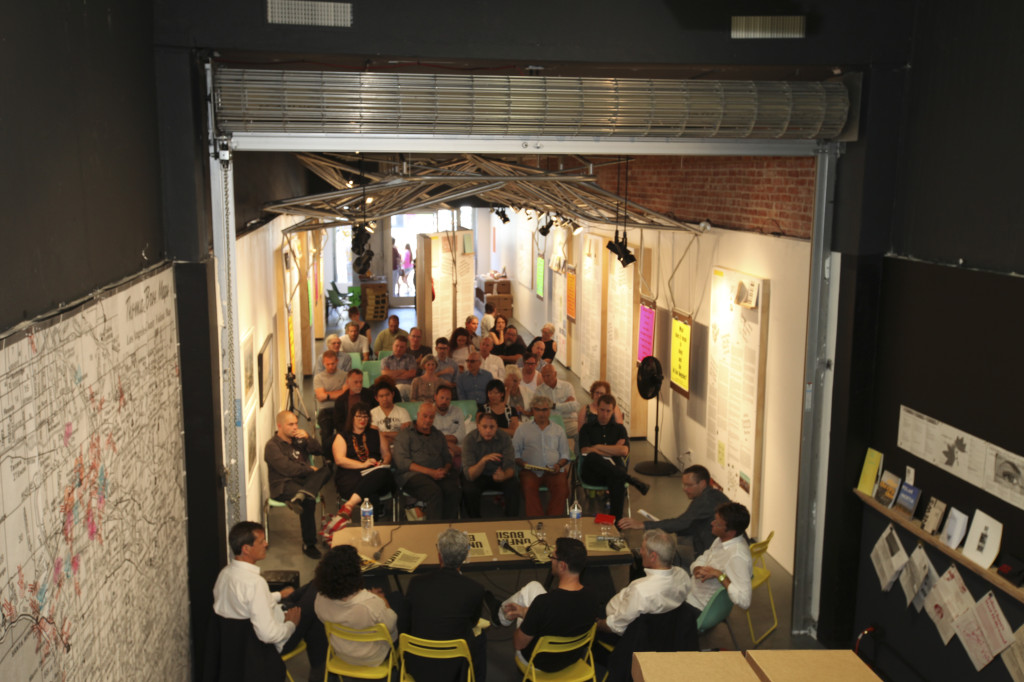
The Los Angeles Forum for Architecture and Urban Design has been at the center of the city’s architectural discourse since 1987. Through each decade – the scrappy 1980s, the experimental 1990s, and the booming 2000s – the Forum has vigorously interrogated the culture of architecture and urban design in Los Angeles. Although geographically positioned on the far edge of the continent, the organization nonetheless impacts the discipline at large: Forum events and programming routinely introduce emerging talent; issues of contemporary design are captured in its exhibitions; and its publications and competitions speculate on urbanism and often challenge the conventions of what architecture means in L.A. The retrospective Unfinished Business unpacks the organization’s archive, revisiting a history of commentary and debate. In looking backward, the exhibition finds within the Forum’s history the architectural questions, urban design conversation starters, and critical loose ends that are just as relevant now as they were over the past quarter century. Unfinished Business doesn’t come to any fixed conclusion, but opens up a rich and potentially provocative dialogue.

Curators: Siobahn Burke, Thurman Grant, and Mimi Zeiger

press
“Now L.A. is still the place that Craig Hodgetts described in one of the original publications, reprinted in the current pamphlet: “The grids open vistas, frame trivialities and frame inconsistencies–of thoughtless breadth and pragmatic anticipation which has bred, albeit carelessly, the culture of cruising, hatchbacks and convenience corners, which exemplify the present vision of the future city.”

It is true that hybrids have replaced hatchbacks, and that taco trucks, rather than malls, are the new emblems of melting pot. It is also true that L.A. is becoming a place with a mass transit system and even bike plans. But, as the area around the forum event showed, it is also a vital, sleazy, fun, and terrifying mess. There is indeed a great deal of unfinished business for the Forum, and I look forward to seeing what they accomplish in the next 25.”—Aaron Betsky, Architect

In Los Angeles: the Architecture of Four Ecologies, Reyner Banham describes Freewayland: the swaths of flat acreage by the I-10 and former ranchos heading out towards Irvine and Pomona. He drolly titled the chapter on these suburban territories “The Plains of Id.” But really, architecture is a landscape of ego. In LA, the icons of modern architecture take to the hills. Houses and apartment buildings climbing up foothills and canyons, climbing higher as economy permits and striving for ridge tops, Freewayland famously appears as backdrop in photographs of these home — a twinkling grid of lights in the distance.

Sitting in that distant grid, on a street south of the Miracle Mile where an early developer skimped on trees, are the Mackey Apartments, designed in 1939 by Rudolph Schindler. Pearl Mackey’s commission was limited: three units and a two-level penthouse for herself. The white stucco box, broken up by the architect’s signature slippage of volumes, is one of Schindler’s few forays into Freewayland. With two exceptions — the Buck House and the iconic Chase House, located on Kings Road in fairly-flat West Hollywood — his residences tend to perch atop or cascade down hillsides. Read More …

Contributor

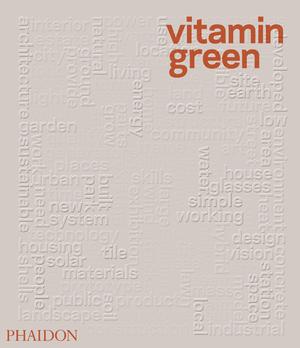
Vitamin Green provides an up-to-the-minute look at the single most important topic in contemporary design: sustainability. This new attention to the life of the things we make is changing the way design is practiced on every level and will be at the center of discussions about architecture, landscape architecture, and product design in the twenty-first century. Read More …

his past December, just as retailers were making their holiday markdowns and non-profits issuing their year-end appeals, the Storefront for Art and Architecture was opening its last exhibition of 2011. Spurred by Occupy Wall Street, Strategies for Public Occupation featured “projects and strategies that offer a new, creative and productive way of spatial occupation for public demonstrations and actions in cities throughout the world.” In parallel Storefront hosted a week of workshops, performances and lectures in which artists and architects presented their own interpretations of the Occupy movement. Strategies for Public Occupation was, in short, intended to be a summation of interventionist practices and a wide-ranging discussion about the relationships among citizens, cultural producers and public space.

Unfortunately, Storefront got the title wrong.

Read More …

The city. The city is arguably the dominant subject of architectural discourse today. Its return came in topical waves over the last decade: landscape urbanism, infrastructural urbanism, networks, shrinking cities, and wholesale metropolises constructed in China and the Middle East. And the 2008 bust, with the almost overnight evaporation of building commissions, by default solidified the city as subject, as the singular project for investigation. New York City’s grid, Detroit’s ruin, and Los Angeles’ heterogeneous sprawl proved enticing topics of research and speculation. Read More …